


Researchers reveal potential cause of COVID-19 aftereffect in children
Posted: 13 August 2021 | Anna Begley (Drug Target Review) | No comments yet
Scientists have uncovered an important clue to the COVID-19-related multisystem inflammatory syndrome in children (MIS-C).
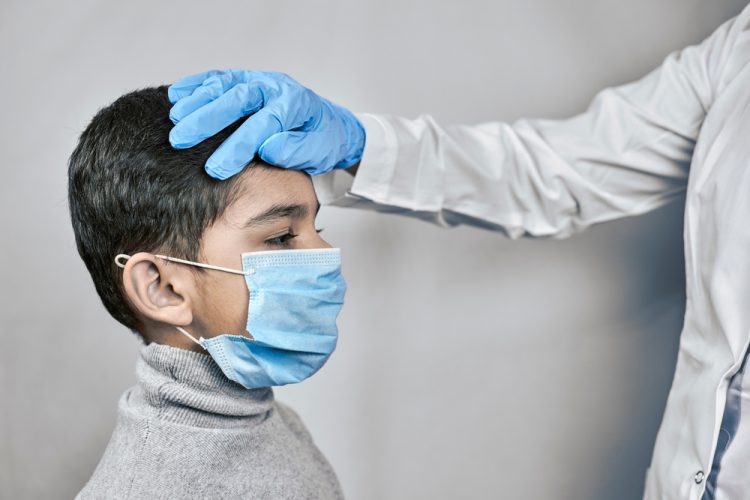
Researchers at the Mount Sinai School of Medicine, US, have revealed an important clue to the serious aftereffect of COVID-19 in children, known as multisystem inflammatory syndrome in children (MIS-C). They found that RNA sequencing of blood samples led to the discovery that specific infection-fighting cells of the immune system are downregulated in children with MIS-C and that this is associated with a sustained inflammatory response, a hallmark of infection with SARS-CoV-2.
MIS-C is typically characterised by fever, pain and inflammation of multiple organs including the heart, lungs, kidneys, skin, eyes or gastrointestinal tract. More than 2,600 cases of MIS-C have been reported in the US since the COVID-19 pandemic began.
While an autoimmune condition has been suggested as an underlying cause, specific genes, pathways and cell types have remained unknown. According to the researchers, this study is a significant step in providing new exploratory pathways involving complex networks and subnetworks of genes they constructed from paediatric cases of MIS-C and COVID-19 from the Mount Sinai COVID-19 Biobank.
Drug Target Review has just announced the launch of its NEW and EXCLUSIVE report examining the evolution of AI and informatics in drug discovery and development.
In this 63 page in-depth report, experts and researchers explore the key benefits of AI and informatics processes, reveal where the challenges lie for the implementation of AI and how they see the use of these technologies streamlining workflows in the future.
Also featured are exclusive interviews with leading scientists from AstraZeneca, Auransa, PolarisQB and Chalmers University of Technology.
Natural killer (NK) cells and CD8+ T cells are two immune cells that were shown be suppressed within this gene network. Previously, research has shown that when CD8+ T cells are persistently exposed to pathogens, they enter a state of “exhaustion”, resulting in a loss of their effectiveness and ability to proliferate. The researchers specifically pointed to the CD8+ T cells being in this exhausted state, thus potentially weakening the inflammatory immune response. An increase in NK cells is also associated with exhausted CD8+ T cells.
“Our study implicated T cell exhaustion in MIS-C patients as one of the potential drivers of this disease, suggesting that an increase in both NK cells and circulating exhausted CD8+ T cells may improve inflammatory disease symptoms,” explained lead co-author Noam Beckmann. “Additionally, we found nine key regulators of this network known to have associations with NK cell and exhausted CD8+ T cell functionality.” Beckmann also added that one of those regulators, TBX21, is a promising therapeutic target for this COVID-19 aftereffect because it serves as a master co-ordinator of the transition of CD8+ T cells from effective to exhausted.
The team’s findings were published in Nature Communications.
Related topics
Disease research, Drug Targets, Gene testing, Genomics, Immunology, Molecular Targets, t-cells, Targets
Related conditions
Multisystem Inflammatory Syndrome in Children (MIS-C)
Related organisations
Icahn School of Medicine at Mount Sinai Hospital
Related people
Noam Beckmann
