


Novel algorithm uses mass spec data to predict identity of molecules
Posted: 22 June 2021 | Victoria Rees (Drug Target Review) | No comments yet
A new algorithm called MolDiscovery uses mass spectrometry data from molecules to predict their identity and whether they are unknown substances.
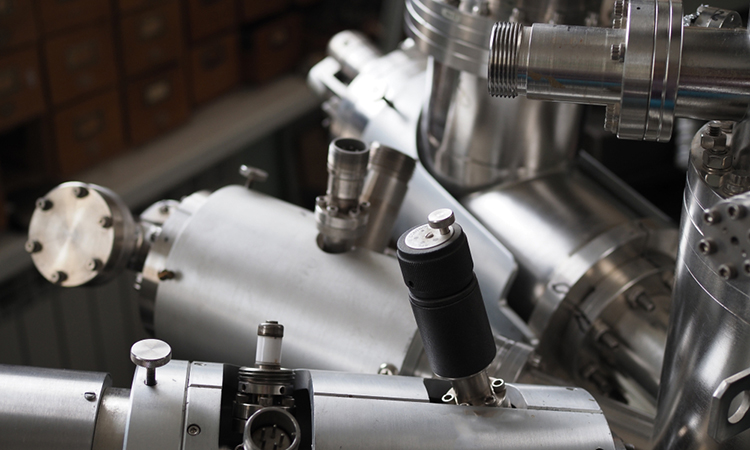
An algorithm designed by researchers from Carnegie Mellon University, US, and St Petersburg State University, Russia, could help scientists identify unknown molecules. The algorithm, called MolDiscovery, uses mass spectrometry data from molecules to predict the identity of unknown substances, telling scientists early in their research whether they have uncovered something new or are rediscovered something already known.
According to the team, this development could save time and money in the search for new naturally occurring products that could be used in medicine.
“Scientists waste a lot of time isolating molecules that are already known, essentially rediscovering penicillin,” said Assistant Professor Hosein Mohimani, of the researchers. “Detecting whether a molecule is known or not early on can save time and millions of dollars and will hopefully enable pharmaceutical companies and researchers to better search for novel natural products that could result in the development of new drugs.”
Drug Target Review has just announced the launch of its NEW and EXCLUSIVE report examining the evolution of AI and informatics in drug discovery and development.
In this 63 page in-depth report, experts and researchers explore the key benefits of AI and informatics processes, reveal where the challenges lie for the implementation of AI and how they see the use of these technologies streamlining workflows in the future.
Also featured are exclusive interviews with leading scientists from AstraZeneca, Auransa, PolarisQB and Chalmers University of Technology.
Mohimani explained that after a scientist detects a molecule that holds promise as a potential drug in a marine or soil sample, for example, it can take a year or longer to identify the molecule with no guarantee that the substance is new. MolDiscovery uses mass spectrometry measurements and a predictive machine learning model to identify molecules quickly and accurately.
Mass spectrometry measurements are the fingerprints of molecules, but there is no database to match them against. Even though hundreds of thousands of naturally occurring molecules have been discovered, scientists do not have access to their mass spectrometry data. MolDiscovery predicts the identity of a molecule from the mass spectrometry data without relying on a mass spectra database to match it against.
The team hopes MolDiscovery will be a useful tool for labs in the discovery of novel natural products.
The team’s work is published in Nature Communications.
Related topics
Drug Discovery, Informatics, Mass Spectrometry, Small Molecules
Related organisations
Carnegie Mellon University, St. Petersburg State University
Related people
Assistant Professor Hosein Mohimani
