


MK-4482 antiviral effective against SARS-CoV-2 in hamster study
Posted: 19 April 2021 | Victoria Rees (Drug Target Review) | No comments yet
The drug MK-4482 decreased viral levels in the lungs of hamsters treated for SARS-CoV-2 infection, researchers have shown.
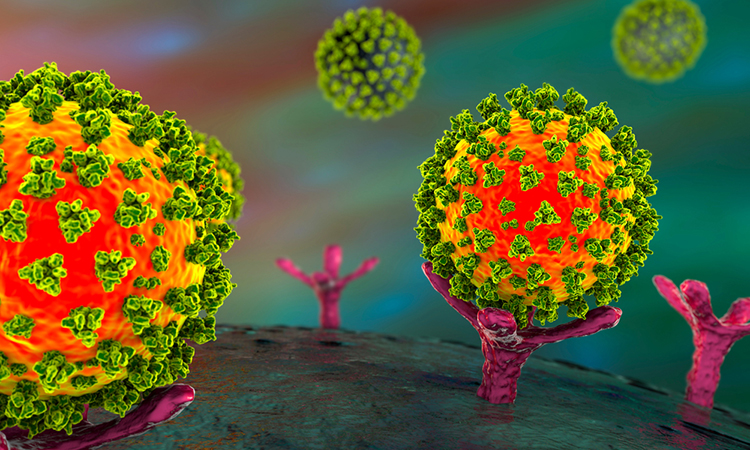
The experimental antiviral drug MK-4482 was shown to significantly decrease the levels of virus and disease damage in the lungs of hamsters treated for SARS-CoV-2 infection, according to a new study. The research was conducted at the US National Institutes of Health (NIH), along with collaborators from the University of Plymouth, UK.
With regular news updates and feature articles, our COVID-19 hub has everything you need to keep up to date with R&D during the pandemic. Click below to visit:
In their study, the scientists found MK-4482 treatment effective when provided up to 12 hours before or 12 hours after infecting the hamsters with SARS-CoV-2. These data suggest that MK-4482 treatment potentially could mitigate high-risk exposures to SARS-CoV-2 and might be used to treat established SARS-CoV-2 infection alone or possibly in combination with other agents.
The same US research group developed the hamster model last year to mimic SARS-CoV-2 infection and mild disease in people.
Drug Target Review has just announced the launch of its NEW and EXCLUSIVE report examining the evolution of AI and informatics in drug discovery and development.
In this 63 page in-depth report, experts and researchers explore the key benefits of AI and informatics processes, reveal where the challenges lie for the implementation of AI and how they see the use of these technologies streamlining workflows in the future.
Also featured are exclusive interviews with leading scientists from AstraZeneca, Auransa, PolarisQB and Chalmers University of Technology.
The project involved three groups of hamsters: a pre-infection treatment group; a post-infection treatment group; and an untreated control group. For the two treatment groups, scientists administered MK-4482 orally every 12 hours for three days. At the conclusion of the study, the animals in each of the treatment groups had 100 times less infectious virus in their lungs than the control group. Animals in the two treatment groups also had significantly fewer lesions in the lungs than the control group.
The scientists determined the MK-4482 treatment doses for this study based on previous experiments performed in mouse models of SARS-CoV-1 and MERS-CoV. In those studies, MK-4482 was also effective at stopping the viruses from replicating.
A group from Emory University, US, developed MK-4482 (also known as molnupiravir and EIDD-2801) to treat influenza. Merck and Ridgeback Biotherapeutics are now jointly developing and evaluating MK-4482 as a potential COVID-19 treatment.
MK-4482 is currently in Phase II and III human clinical studies.
The results of the study are published in Nature Communications.
Related topics
Drug Development, In Vivo, Pharmacology, Therapeutics, Translational Science
Related conditions
Covid-19
Related organisations
University of Plymouth, US National Institutes of Health (NIH)
