


Role of enzyme in reactivating neural stem cells in models identified
Posted: 12 February 2021 | Victoria Rees (Drug Target Review) | No comments yet
An enzyme in fruit fly larvae plays a role in reactivating neural stem cells, which could explain how some neurodevelopmental disorders occur.
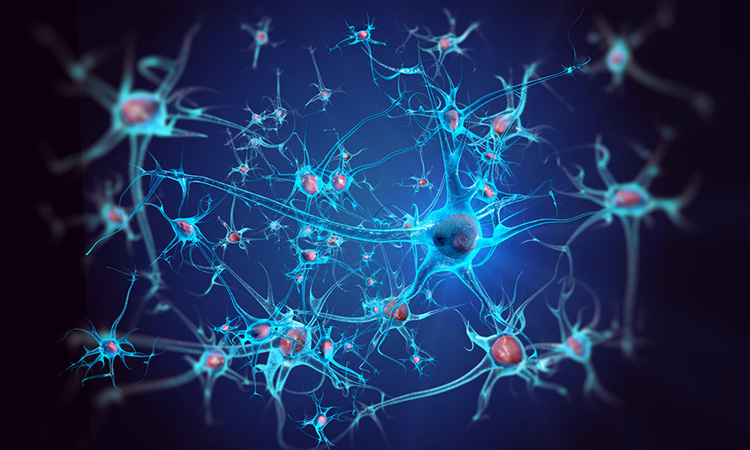
Researchers studying an enzyme in fruit fly larvae have found that it plays an important role in waking up brain stem cells from their dormant ‘quiescent’ state, enabling them to proliferate and generate new neurons. The study by Duke-NUS Medical School, Singapore, could help clarify how some neurodevelopmental disorders such as autism and microcephaly occur.
According to the researchers, Pr-set7 is an enzyme involved in maintaining genome stability, DNA repair and cell cycle regulation, as well as turning various genes on or off. This protein has remained largely unchanged as species have evolved. The researchers set out to understand the protein’s function during brain development.
“Genetic variants of the human version of Pr-set7 are associated with neurodevelopmental disorders, with typical symptoms including intellectual disability, seizures and developmental delay,” explained Professor Wang Hongyan, lead researcher of the study. “Our study is the first to show that Pr-set7 promotes neural stem cell reactivation and therefore plays an important role in brain development.”
Drug Target Review has just announced the launch of its NEW and EXCLUSIVE report examining the evolution of AI and informatics in drug discovery and development.
In this 63 page in-depth report, experts and researchers explore the key benefits of AI and informatics processes, reveal where the challenges lie for the implementation of AI and how they see the use of these technologies streamlining workflows in the future.
Also featured are exclusive interviews with leading scientists from AstraZeneca, Auransa, PolarisQB and Chalmers University of Technology.
The researchers say that most neural stem cells are quiescent in adult mammalian brains. They are reactivated to generate new neurons in response to stimuli, such as injury, the presence of nutrients or exercise. However, neural stem cells gradually lose their capacity to proliferate with age and in response to stress and anxiety.
The team studied what happened when the gene coding for Pr-set7 is turned off in larval fruit fly brains. They found it caused a delay in the reactivation of neural stem cells from their quiescent state. To reactivate neural stem cells, Pr-set7 needs to turn on at least two genes: cyclin-dependent kinase 1 (cdk1) and earthbound 1 (Ebd1). The scientists found that overexpressing the proteins coded by these genes led to the reactivation of neural stem cells even when the Pr-set7 gene was turned off. These findings show that Pr-set7 binds to the cdk1 and Ebd1 genes to activate a signalling pathway that reactivates neural stem cells from their quiescent state.
“Since Pr-set7 is conserved across species, our findings could contribute to the understanding of the roles of its mammalian counterpart in neural stem cell proliferation and its associated neurodevelopmental disorders,” said Hongyan.
The scientists are now extrapolating this study to understand the roles of the mammalian and human forms of Pr-set7, called SETD8 and KMT5A respectively, in brain development.
The results are published in EMBO Reports.
Related topics
Neurons, Neurosciences, Regenerative Medicine, Stem Cells
Related conditions
Autism, Microcephaly
Related organisations
Duke-NUS Medical School (Duke-NUS)
Related people
Professor Wang Hongyan
