


AstraZeneca and MedImmune to harness the power of the Secretome
Posted: 11 December 2015 | Victoria White | No comments yet
The companies have joined WCPR to develop new technologies for biologics production and to identify new targets for disease research in the ground-breaking area of the Secretome…
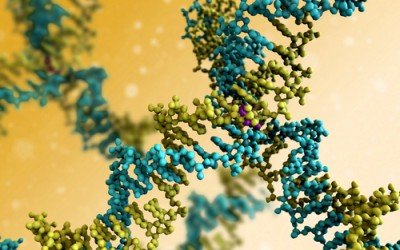
AstraZeneca and MedImmune have entered a three-year collaboration with the newly established Wallenberg Centre for Protein Research (WCPR).
The collaboration aims to develop new technologies for biologics production and to identify new targets for disease research in the ground-breaking area of the Secretome – research into all proteins that are secreted by a cell or that are exposed to the outside of the cell from within the cell membrane.
As part of the collaboration, AstraZeneca’s Innovative Medicines biotech unit (iMED) will screen the Secretome library using the company’s proprietary assays to identify new protein-based targets for compound development across a range of diseases. The collaboration will also see the creation of new ‘cell factories’ for the large-scale production of therapeutic proteins to support MedImmune’s deep and diversifying pipeline.
Drug Target Review has just announced the launch of its NEW and EXCLUSIVE report examining the evolution of AI and informatics in drug discovery and development.
In this 63 page in-depth report, experts and researchers explore the key benefits of AI and informatics processes, reveal where the challenges lie for the implementation of AI and how they see the use of these technologies streamlining workflows in the future.
Also featured are exclusive interviews with leading scientists from AstraZeneca, Auransa, PolarisQB and Chalmers University of Technology.
Secretome accounts for 1/3 of human proteins
Pascal Soriot, AstraZeneca Chief Executive, said, “We’re tremendously excited to be part of this innovative collaboration as we explore what science can do to advance medical research. Harnessing the power of the Secretome in this unprecedented way will help us to identify new biomarkers, drug targets and ultimately develop next-generation biological treatments.”
The Secretome accounts for approximately a third of all human proteins, which play a major role in most biological processes including those involved in cardiac regeneration, the maintenance of functioning cells for glucose balance, cancer proliferation and migration. This group of proteins is therefore considered to be an invaluable source for identifying new biomarkers, drug targets and for developing novel biologics.
Related topics
Biomarkers, Cell-based assays, Drug Targets
Related organisations
AstraZeneca, MedImmune
