


Thapsigargin could be used as antiviral to treat COVID-19, study shows
Posted: 3 February 2021 | Victoria Rees (Drug Target Review) | No comments yet
Researchers have discovered that thapsigargin has novel antiviral properties and is effective against COVID-19 in pre-clinical studies.
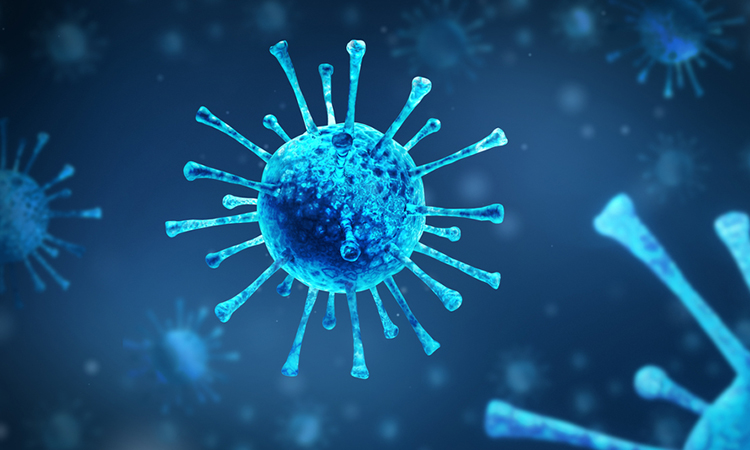
Researchers have discovered a novel antiviral property of a drug that could have major implications in how future pandemics – including COVID-19 – are managed. The study was conducted at the University of Nottingham, UK.
With regular news updates and feature articles, our COVID-19 hub has everything you need to keep up to date with R&D during the pandemic. Click below to visit:
The study shows that thapsigargin is a promising broad spectrum antiviral, highly effective against SARS-CoV-2, a respiratory syncytial virus (RSV) and the influenza A virus.
In their study, the team found that the plant-derived antiviral, at small doses, triggers a highly effective broad-spectrum host-centred antiviral innate immune response against three major types of human respiratory viruses.
Drug Target Review has just announced the launch of its NEW and EXCLUSIVE report examining the evolution of AI and informatics in drug discovery and development.
In this 63 page in-depth report, experts and researchers explore the key benefits of AI and informatics processes, reveal where the challenges lie for the implementation of AI and how they see the use of these technologies streamlining workflows in the future.
Also featured are exclusive interviews with leading scientists from AstraZeneca, Auransa, PolarisQB and Chalmers University of Technology.
In cell and animal studies, they discovered that thapsigargin is effective against viral infection when used before or during active infection and able to prevent a virus from making new copies of itself in cells for at least 48 hours after a single 30-minute exposure. They also revealed that it is stable in acidic pH as found in the stomach and therefore can be taken orally, so could be administered without the need for injections or hospital admission. Furthermore, it was not sensitive to virus resistance and at least several hundred-fold more effective than current antiviral options.
According to the researchers, thapsigargin is safe as an antiviral (a derivative has been tested in prostate cancer).
Lead researcher Professor Kin-Chow Chang said: “While we are still at the early stages of research into this antiviral and its impact on how viruses such as COVID-19 can be treated, these findings are hugely significant. The current pandemic highlights the need for effective antivirals to treat active infections, as well as vaccines, to prevent the infection. Given that future pandemics are likely to be of animal origin, where animal to human (zoonotic) and reverse zoonotic (human to animal) spread take place, a new generation of antivirals, such as thapsigargin, could play a key role in the control and treatment of important viral infections in both humans and animals.”
The study was published in Viruses.
Related topics
Cell-based assays, Drug Development, Drug Discovery, Drug Leads, Drug Targets, In Vitro, Research & Development, Targets, Therapeutics
Related conditions
Covid-19
Related organisations
Nottingham University
Related people
Professor Kin-Chow Chang
