

New database to track neurological symptoms of COVID-19
Posted: 28 January 2021 | Hannah Balfour (Drug Target Review) | No comments yet
NeuroCOVID will be a resource of clinical information and biospecimens from people who experience neurological problems associated with SARS-CoV-2 infection.
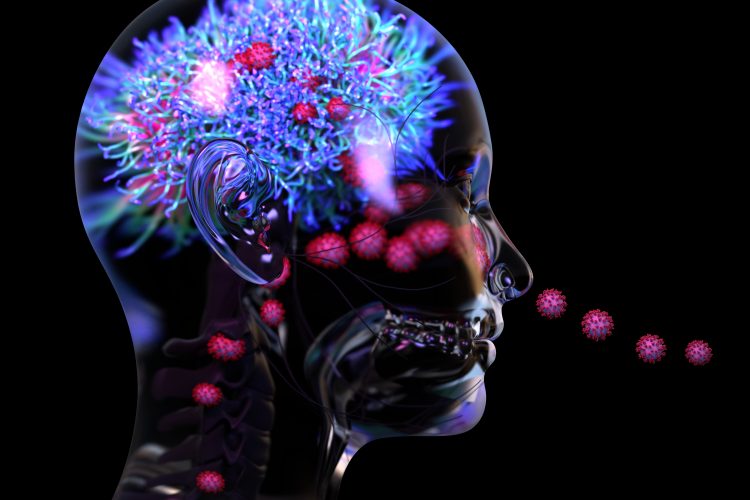
The US National Institutes of Health (NIH) has launched a new database to collect information about COVID-19-related neurological symptoms, complications and outcomes, as well as COVID-19 effects on pre-existing neurological conditions.
With regular news updates and feature articles, our COVID-19 hub has everything you need to keep up to date with R&D during the pandemic. Click below to visit:
The COVID-19 Neuro Databank/Biobank (NeuroCOVID), which was created and will be maintained by NYU Langone Health, US, will be a resource of clinical information as well as biospecimens from people of all ages who have experienced neurological problems associated with SARS-CoV-2 infection. SARS-CoV-2 is the virus that causes COVID-19. The database is supported by the NIH’s National Institute of Neurological Disorders and Stroke (NINDS).
“We know that COVID-19 can disrupt multiple body systems but the effects of the virus and the body’s response to COVID-19 infection on the brain, spinal cord, nerves and muscle can be particularly devastating and contribute to persistence of disability even after the virus is cleared,” said Dr Barbara Karp, program director at NINDS. “There is an urgent need to understand COVID-19-related neurological problems, which not uncommonly include headaches, fatigue, cognitive difficulties, stroke, pain and sleep disorders, as well as some very rare complications of serious infections.”
Drug Target Review has just announced the launch of its NEW and EXCLUSIVE report examining the evolution of AI and informatics in drug discovery and development.
In this 63 page in-depth report, experts and researchers explore the key benefits of AI and informatics processes, reveal where the challenges lie for the implementation of AI and how they see the use of these technologies streamlining workflows in the future.
Also featured are exclusive interviews with leading scientists from AstraZeneca, Auransa, PolarisQB and Chalmers University of Technology.
As part of the project, healthcare providers and participating clinical sites across the US can use the web-based data portal to submit de-identified information, along with relevant biospecimens collected during research or from previous clinical procedures and tests, to the database. A Global Unique Identifier (GUID) will be used to recognise data and biospecimens from each individual with no personally identifying information collected or stored in the database.
According to NINDS, the database, which includes information on neurological symptoms, comorbidities, disease course, complications, sequelae and outcomes, can be accessed by scientists for research studies on preventing, managing and treating neurological complications associated with COVID-19. It may provide insight into how COVID-19 affects the nervous system and how common or rare complications are.
The project is led by Dr Andrea Troxel, professor of population health at NYU Grossman School of Medicine, and Dr Eva Petkova, professor of population health and child and adolescent psychiatry at NYU Grossman School of Medicine. Researchers and clinicians can request access to the database here.
Related topics
Big Data, Cell culture, Disease research, Drug Targets, Immunology, Neurosciences
Related conditions
Coronavirus, Covid-19
Related organisations
NYU Langone Health, US National Institute of Neurological Disorders and Stroke (NINDS), US National Institutes of Health (NIH)
Related people
Dr Andrea Troxel, Dr Eva Petkova
