


Compound from clams combats many common infections from parasites, finds study
Posted: 12 June 2020 | Victoria Rees (Drug Target Review) | No comments yet
A compound called tartrolon E, a byproduct of bacteria from shipworms, has been identified as researchers with the potential to fight and kill several parasites, including Cryptosporidium.
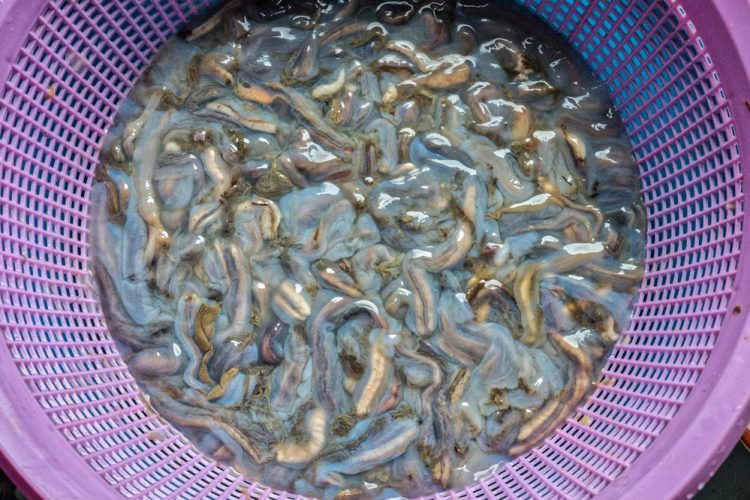
New research has revealed that a compound discovered in the gills of wood-eating clams could combat a group of parasites responsible for some of the world’s most common infections, including malaria, toxoplasmosis, cryptosporidiosis, theileriosis and babesiosis.
The study, conducted by scientists at Washington State University, US, identified tartrolon E, a byproduct of bacteria that help shipworms, a group of saltwater clams, digest the wood they eat.
According to the team, the compound, unlike any other, is proven to kill causal parasites for the aforementioned diseases.
Drug Target Review has just announced the launch of its NEW and EXCLUSIVE report examining the evolution of AI and informatics in drug discovery and development.
In this 63 page in-depth report, experts and researchers explore the key benefits of AI and informatics processes, reveal where the challenges lie for the implementation of AI and how they see the use of these technologies streamlining workflows in the future.
Also featured are exclusive interviews with leading scientists from AstraZeneca, Auransa, PolarisQB and Chalmers University of Technology.
“There are compounds that work against the individual parasites, but to find one that works against this entire group, that is what made this unique,” said Roberta O’Connor, an associate professor in Washington State University’s Veterinary Microbiology and Pathology unit and first author on the paper.
While there are already effective drugs for many of the parasites mentioned here, O’Connor said this group of parasites, called apicomplexans, readily develops drug resistance.
“Development of new, effective drugs against apicomplexan parasites is an ongoing need for human and veterinary medicine,” she said.
One of those parasites in need of a more effective remedy is Cryptosporidium. This waterborne zoonotic parasite is a major cause of diarrhoea in children, immuno-compromised patients and in newborn animals worldwide. The parasite infects millions of humans and agricultural animals annually.
In addition to killing this class of parasites in vitro, the researchers found that tartrolon E was able to kill Cryptosporidium in newborn mice. Beginning this summer, the scientists will test the compound against Cryptosporidium in lambs.
Currently, nitazoxanide is the only drug approved by the US Food and Drug Administration (FDA) to treat cryptosporidiosis.
“Nitazoxanide doesn’t work well for those [patients] who are immuno-compromised or malnourished and those are the people most vulnerable to Cryptosporidium,” O’Connor said. “Tartrolon E is obviously hitting some system that is common to these parasites. Even if this compound isn’t successful, if we can determine the mechanism, we will have identified a common drug target for all these parasites.”
The study was published in PLOS Pathogens.
Related topics
Drug Discovery, Drug Targets, Research & Development, Target molecule, Targets
Related conditions
Babesiosis, cryptosporidiosis, Cryptosporidium, Malaria, theileriosis, toxoplasmosis
Related organisations
Washington State University
Related people
Roberta O'Connor
