


New study helps improve the understanding of bacteria and viruses
Posted: 27 February 2020 | Rachael Harper (Drug Target Review) | No comments yet
A new study has revealed how bacterial immune systems can be harmful for their hosts and why they are not found in all bacteria.
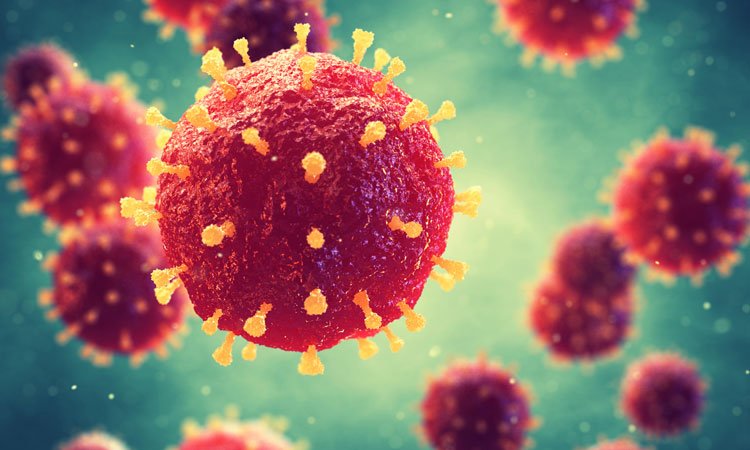
A new study has found that existing CRISPR anti-viral immunity is often a disadvantage to bacterium when infected by certain viruses.
The study was carried out by researchers at the University of Exeter, UK, with support from the University of Montpellier, France, and the University of Otago, New Zealand.
…this change in understanding of pathogen defence systems will inform the design of new treatments”
CRISPR has become well known for its repurposing as a tool for precise genetic engineering. However, CRISPR systems (segments of DNA) naturally occur in many bacteria and provide bacteria with immunity against viruses or foreign DNA.
Drug Target Review has just announced the launch of its NEW and EXCLUSIVE report examining the evolution of AI and informatics in drug discovery and development.
In this 63 page in-depth report, experts and researchers explore the key benefits of AI and informatics processes, reveal where the challenges lie for the implementation of AI and how they see the use of these technologies streamlining workflows in the future.
Also featured are exclusive interviews with leading scientists from AstraZeneca, Auransa, PolarisQB and Chalmers University of Technology.
Otago researchers Dr Chris Brown, Dr Teyuan Chyou and Professor Peter Fineran, questioned whether autominnunity is important in other bacterial pathogens and analysed over 170,000 bacterial genomes, including diverse pathogens.
“We searched the DNA sequence for CRISPR systems and integrated viral genomes. We found that CRISPR autoimmunity was likely to be widespread in nature,” Dr Brown said.
Professor Fineran explained this suggested that triggering the powerful CRISPR defence systems is risky for a bacterium: “Importantly, this may help answer a long-standing question of why these defence systems are absent in 60 percent of bacteria.”
For example, the researchers said, Staphylococcus aureus pathogens that often take up extra genes to become multidrug-resistant, seldom have CRISPR defence. An example of this is MRSA (Methicillin-resistant Staphylococcus aureus) an infection often occurring in people who have been in hospitals or other healthcare settings, which has become resistant to many of the antibiotics used to treat ordinary staph infections. It seldom has CRISPR defence.
This study forms part of larger studies aimed at understanding the arms race between bacteria and their viruses and has significant implications.
“Importantly, this change in understanding of pathogen defence systems will inform the design of new treatments, particularly those using viruses that kill pathogenic or antibiotic-resistant bacteria,” Dr Brown explained.
The study was published in Nature.
Related topics
Antibiotics, Bioinformatics, CRISPR, DNA, Drug Development, Genomics, Informatics, Research & Development
Related organisations
University of Exeter, University of Montpellier, University of Otago
Related people
Dr Chris Brown, Dr Teyuan Chyou, Professor Peter Fineran
