


Researchers discover α-synuclein clue to treating Parkinson’s
Posted: 17 January 2020 | Victoria Rees (Drug Target Review) | No comments yet
A study has shown that fruit fly larvae lacking a certain region of the α-synuclein protein did not exhibit Parkinson’s symptoms, indicating a potential target.
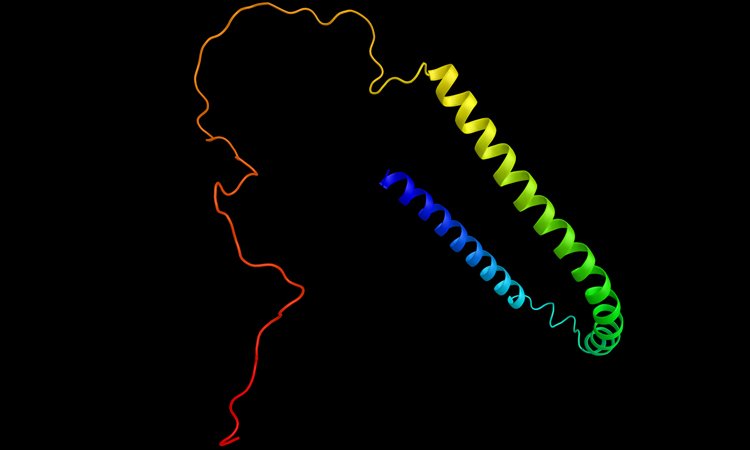
New insights into α-synuclein, a small acidic protein associated with Parkinson’s disease, suggest the potential for an early treatment of the condition.
The study, conducted at the University of Buffalo, US, explored the basic properties of the protein with a focus on its section known as the non-amyloidal component (NAC).
α-synuclein is known to form abnormal clumps in the brains of patients with Parkinson’s, but scientists are uncertain why this happens.
Drug Target Review has just announced the launch of its NEW and EXCLUSIVE report examining the evolution of AI and informatics in drug discovery and development.
In this 63 page in-depth report, experts and researchers explore the key benefits of AI and informatics processes, reveal where the challenges lie for the implementation of AI and how they see the use of these technologies streamlining workflows in the future.
Also featured are exclusive interviews with leading scientists from AstraZeneca, Auransa, PolarisQB and Chalmers University of Technology.
On fruit fly larvae genetically engineered to produce both normal and mutated forms of human α-synuclein, the researchers found that the NAC region appears to aid the protein in moving through pathways, called axons, that run from one area of a neuron to another. When the NAC region was missing, α-synuclein did not move within axons.
They also found that α-synuclein lacking the NAC region may help to prevent unwanted aggregates of the protein. In the fruit fly larvae, the team demonstrated that it is possible to prevent some key problems that occur when too much α-synuclein is produced. This includes clumping of the protein, abnormalities in the structure of synapses and a decrease in the speed at which larvae crawl.
The scientists discovered that when the larvae were engineered to produce both excess α-synuclein and a version of α-synuclein with the NAC region missing, they crawled normally, the protein did not aggregate and their synapses were normal.
…the NAC region appears to aid the protein in moving through pathways called axons”
“We show that in fruit fly larvae, we’re able to prevent some problems mimicking symptoms of Parkinson’s disease, such as accumulation of α-synuclein in neurons,” says Dr Shermali Gunawardena, associate professor of biological sciences in the University of Buffalo College of Arts and Sciences.
“Our work highlights a potential early treatment strategy for Parkinson’s disease that would leverage the use of deletion of the NAC region,” Gunawardena adds. “One reason this study is important is because it shows rescue of α-synuclein aggregates, synaptic morphological defects and locomotion defects seen in Parkinson’s disease in the context of a whole organism.”
The study was published in Frontiers in Cellular Neuroscience.
Related topics
Disease research, Drug Targets, Neuroprotection, Neurosciences
Related conditions
Parkinson's
Related organisations
University of Buffalo
Related people
Dr Shermali Gunawardena
