


MAIT immune cells revealed as key in toxic shock development
Posted: 26 November 2019 | Victoria Rees (Drug Target Review) | No comments yet
Researchers have found that MAIT immune cells respond rapidly to group A streptococcal infection, causing inflammation and toxic shock, which presents a therapeutic target.
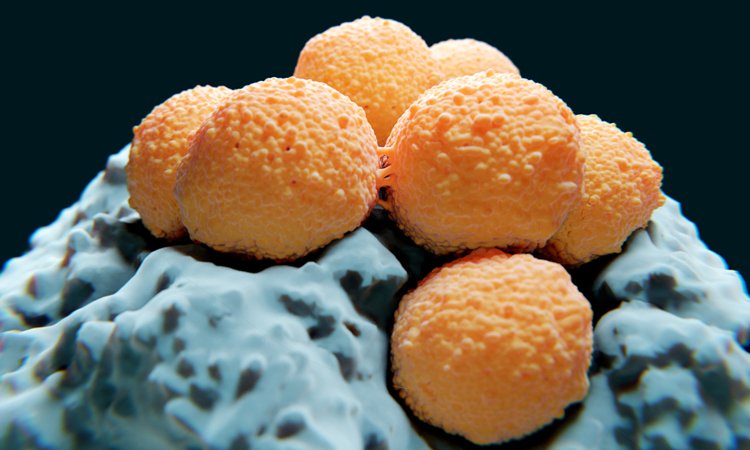
Researchers have discovered a kind of immune cell which plays a key role in group A streptococcal toxic shock. According to the team, their findings have potential implications for the diagnosis and treatment of this condition.
The study, conducted at Karolinska Instituet, Sweden, revealed that the recently discovered MAIT immune cells are critical in the development of toxic shock.
The condition occurs when the bacteria produce toxins called superantigens, which induce immune cells to produce large amounts of cytokines, resulting in an inflammatory response.
Drug Target Review has just announced the launch of its NEW and EXCLUSIVE report examining the evolution of AI and informatics in drug discovery and development.
In this 63 page in-depth report, experts and researchers explore the key benefits of AI and informatics processes, reveal where the challenges lie for the implementation of AI and how they see the use of these technologies streamlining workflows in the future.
Also featured are exclusive interviews with leading scientists from AstraZeneca, Auransa, PolarisQB and Chalmers University of Technology.
“MAIT cells are few in number but respond rapidly to group A streptococci to produce large amounts of cytokines,” says lead author Johanna Emgård, doctoral student at Karolinska Institutet. “This over-production of cytokines is called a cytokine storm and results in leaking blood vessels, hypotension and organ failure.”
The researchers also show that MAIT cells are activated in patients during the acute phase of the infection.
“This discovery is important as it means that we’ve found a new potential target for diagnosis and treatment,” says Professor Anna Norrby-Teglund, the study’s last author. “This is particularly important given the characteristically rapid development of group A streptococcal toxic shock, for which early diagnosis and treatment is critical for the outcome of the infection.”
The results were published in PNAS.
Related topics
cytokines, Drug Targets, Immunology, Research & Development
Related conditions
streptococcal toxic shock syndrome (STSS)
Related organisations
Karolinska Instituet
Related people
Johanna Emgård, Professor Anna Norrby-Teglund
