


A faster and stronger rabies vaccine has been developed
Posted: 15 November 2019 | Rachael Harper (Drug Target Review) | No comments yet
A new rabies vaccine strategy enhanced the speed and magnitude of the anti-rabies antibody responses and could improve the efficacy of currently used vaccines.
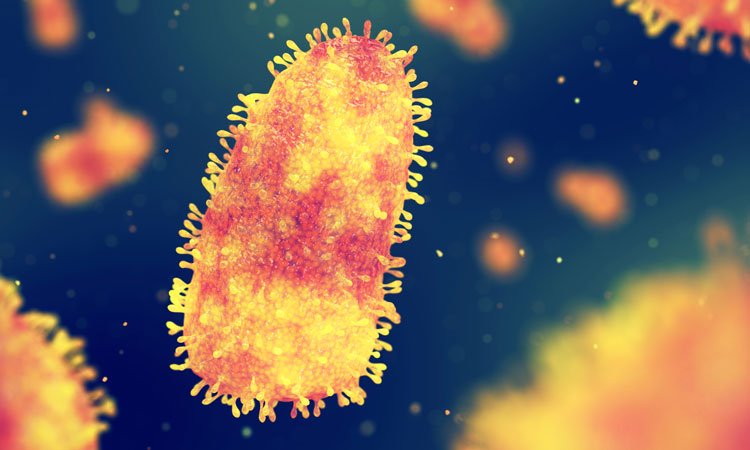
Researchers have reported that adding a specific immune molecule to a rabies vaccine can boost its efficacy.
Previous studies have suggested that the existing rabies vaccine (which is costly and complicated to administer) works by activating the immune system’s B cells. However it can take time for the vaccine, which contains inactivated virus particles, to interact with the B cells.
James McGettigan from Thomas Jefferson University, USA, and colleagues have now turned to a signalling protein known as B cell activating factor (BAFF), which binds directly to B cells. They designed a rabies vaccine which included an attenuated rabies virus and BAFF on the same particle, hoping to target the vaccine directly to B cells for activation. Then they tested the new vaccine in mice.
Drug Target Review has just announced the launch of its NEW and EXCLUSIVE report examining the evolution of AI and informatics in drug discovery and development.
In this 63 page in-depth report, experts and researchers explore the key benefits of AI and informatics processes, reveal where the challenges lie for the implementation of AI and how they see the use of these technologies streamlining workflows in the future.
Also featured are exclusive interviews with leading scientists from AstraZeneca, Auransa, PolarisQB and Chalmers University of Technology.
Mice immunised with the BAFF-enhanced rabies vaccine showed a faster and stronger response of the immune system compared to animals that received the typical vaccine. Levels of virus neutralising antibodies increased more quickly and to higher levels. However, the duration of the response was not affected and additional studies on the safety of the vaccine are needed before testing it in humans.
“This new vaccine strategy significantly enhanced the speed and magnitude of the anti-rabies antibody responses and has the potential to improve the efficacy of currently used inactivated RABV-based vaccines,” the researchers said.
The research was published in PLOS Neglected Tropical Diseases.
Related topics
Antibodies, Drug Delivery, Drug Development, Protein, Research & Development, Vaccine
Related conditions
rabies
Related organisations
Thomas Jefferson University
Related people
James McGettigan
