


Parkinson’s disease symptoms “improved” by oestrogen
Posted: 13 August 2019 | Rachael Harper (Drug Target Review) | No comments yet
New research into sex-based differences of Parkinson’s disease could lead to new treatments.
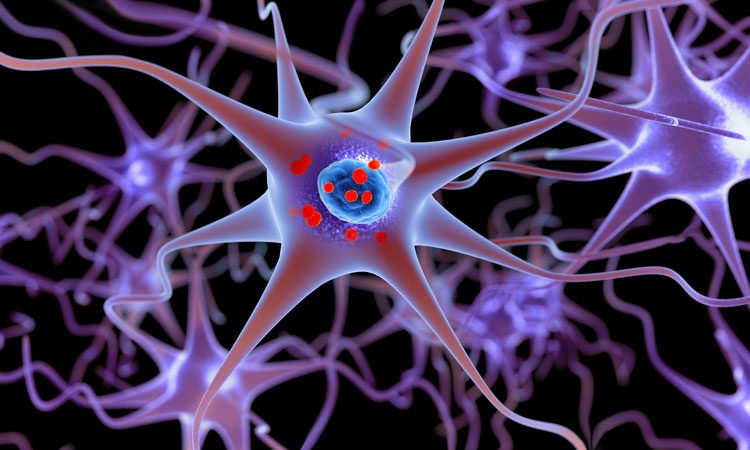
According to new research, brain-selective oestrogen treatment improves the symptoms of Parkinson’s disease in male mice. This may help explain the sex differences in Parkinson’s disease and could lead to oestrogen-based treatments.
Oestrogen is thought to protect movement neurons from Parkinson’s disease, but how is unknown. Since the patients more susceptible to Parkinson’s disease have low oestrogen levels, oestrogen treatment might be an effective way to delay and reduce symptoms.
Silke Nuber and colleagues at Harvard Medical School treated mouse models of Parkinson’s disease with brain-selective oestrogen and compared the motor performance of males and females before and after treatment.
Drug Target Review has just announced the launch of its NEW and EXCLUSIVE report examining the evolution of AI and informatics in drug discovery and development.
In this 63 page in-depth report, experts and researchers explore the key benefits of AI and informatics processes, reveal where the challenges lie for the implementation of AI and how they see the use of these technologies streamlining workflows in the future.
Also featured are exclusive interviews with leading scientists from AstraZeneca, Auransa, PolarisQB and Chalmers University of Technology.
The female mice showed less severe symptoms at a later age, but oestrogen still improved their symptoms. In male mice, the oestrogen treatment reduced α-synuclein breakdown and buildup and helped with severe symptoms, suggesting that oestrogen could be a viable treatment option for Parkinson’s patients with low oestrogen levels.
The research, Female Sex and Brain-Selective Estrogen Benefit α-Synuclein Tetramerization and the PD-Like Motor Syndrome in 3K Transgenic Mice, was published in JNeurosci.
Related topics
Disease research, Neurons, Protein
Related conditions
Parkinson's disease
Related organisations
Harvard Medical School
Related people
Silke Nuber
