


Zebrafish reveal insights into Parkinson’s
Posted: 9 April 2019 | Drug Target Review | No comments yet
The findings offer clues that could one day lead to treatments for the neurological condition…
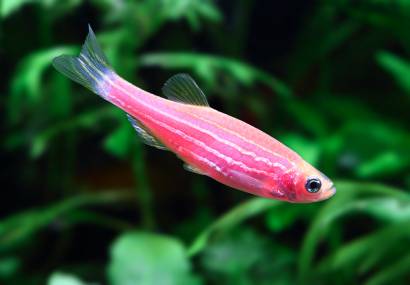
Research using the tiny tropical fish has shown how key brain cells that are damaged in people with Parkinson’s can be regenerated.
The findings offer clues that could one day lead to treatments for the neurological condition, which causes movement problems and tremors.
Parkinson’s occurs when specialised nerve cells in the brain are destroyed. These cells are responsible for producing an important chemical called dopamine.
Drug Target Review has just announced the launch of its NEW and EXCLUSIVE report examining the evolution of AI and informatics in drug discovery and development.
In this 63 page in-depth report, experts and researchers explore the key benefits of AI and informatics processes, reveal where the challenges lie for the implementation of AI and how they see the use of these technologies streamlining workflows in the future.
Also featured are exclusive interviews with leading scientists from AstraZeneca, Auransa, PolarisQB and Chalmers University of Technology.
When these cells die, or become damaged, the loss of dopamine causes body movements to become impaired. Once these cells are lost from the human brain, they cannot be repaired or replaced.
In zebrafish, however, dopamine-producing nerve cells are constantly replaced by dedicated stem cells in the brain, the researchers found.
The team, led by the University of Edinburgh, found the immune system plays a key role in this process. In some regions of a zebrafish’s brain, the process does not work, however.
Researchers say understanding the immune signals that facilitate replacement of these nerve cells could hold vital clues to developing treatments for people.
The study, published in the Journal of Neuroscience, was funded by UK Research and Innovation through the Biotechnology and Biological Sciences Research Council and Medical Research Council.
Dr Thomas Becker, of the University of Edinburgh’s Centre for Discovery Brain Sciences, said: “We were excited to find that zebrafish have a much higher regenerative capacity for dopamine neurons than humans. Understanding the signals that underpin regeneration of these nerve cells could be important for identifying future treatments for Parkinson’s disease.”
Related topics
Disease research, Neurosciences, Research & Development, Stem Cells
Related conditions
Parkinson's disease
Related organisations
Edinburgh University
Related people
Dr Thomas Becker
