


Heating up tumours could make CAR T therapy more effective
Posted: 28 March 2019 | Drug Target Review | No comments yet
When a heating technique called photothermal ablation was combined with the infusion of CAR T cells, it suppressed melanoma tumour growth for up to 20 days in mice…
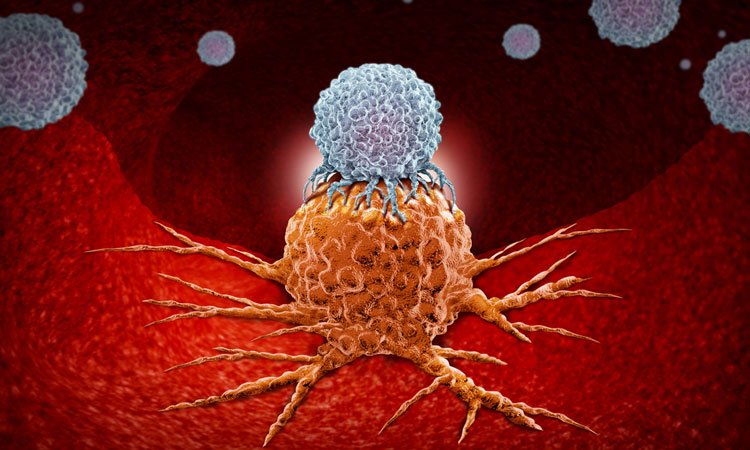
A pre-clinical study led by scientists at the University of California Los Angeles Jonsson Comprehensive Cancer Center suggests that heating solid tumours during CAR T-cell therapy can enhance the treatment’s success.
The researchers found that when a heating technique called photothermal ablation was combined with the infusion of CAR T cells, it suppressed melanoma tumour growth for up to 20 days in mice. Among the mice that were treated with the combination, 33 percent were still tumour free after the 20-day mark.
T cells that have been genetically engineered with chimeric antigen receptor, or CAR, have successfully been used to treat many patients with lymphoma and leukaemia. But CAR T-cell therapy has been less successful for treating solid tumours because the tumours have a protective micro environment, which makes it harder for the CAR T cells to break into the tumour and keep the T cells activated.
Drug Target Review has just announced the launch of its NEW and EXCLUSIVE report examining the evolution of AI and informatics in drug discovery and development.
In this 63 page in-depth report, experts and researchers explore the key benefits of AI and informatics processes, reveal where the challenges lie for the implementation of AI and how they see the use of these technologies streamlining workflows in the future.
Also featured are exclusive interviews with leading scientists from AstraZeneca, Auransa, PolarisQB and Chalmers University of Technology.
The UCLA scientists decided to test whether combining CAR T therapy with photothermal therapy could overcome that obstacle.
Photothermal therapy is a minimally invasive technique that uses heat from laser energy to kill cancer cells; it is already being used to treat a variety of cancers and other medical conditions.
The researchers tested a mild hyperthermia of about 40°C to see if it could help enhance the CAR T cells to better attack the tumour.
The UCLA-led team tested the technique in mice that were injected with human melanoma tumours. A photothermal agent was injected into the tumours and then irradiated with the laser to heat them. Then, CAR T cells were injected intravenously. Raising the temperature of the laser to about 40°C helped expand blood vessels associated with the tumour, enhancing T-cell growth.
By enhancing the power of CAR T-cell therapy, the technique could eventually improve the prognosis for people with hard-to-treat solid tumours. The researchers will continue testing the strategy in animals to optimise the heating duration and temperature before determining whether it can be tested on humans.
The research’s co-senior author is Zhen Gu and it is published in the journal Advanced Materials.
Related topics
Chimeric antigen receptors (CARs), t-cells
Related organisations
Jonsson Comprehensive Cancer Center, UCLA
Related people
Zhen Gu
