


Efficacy of breast cancer therapy measured using PET imaging
Posted: 12 February 2019 | Iqra Farooq (Drug Target Review) | No comments yet
Researchers have developed a method using PET imaging along with 18F-fluorofuranylnorprogesterone to analyse the efficacy of breast cancer treatments…
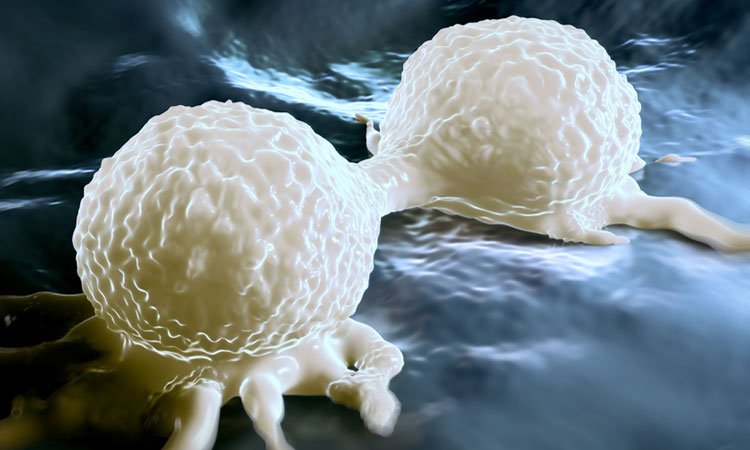
Researchers have developed a method of using PET imaging to measure changes in hormone levels resulting from breast cancer treatment.
Scientists used positron emission tomography (PET) imaging with 18F-fluorofuranylnorprogesterone (18F-FFNP) to successfully measure progesterone receptor changes because of a short-course oestrogen treatment, known as estradiol challenge.
In the study, T47D human breast cancer cells (those with both oestrogen and progesterone receptors, but without human epidermal growth factor receptor-2), and mice with T47D tumor xenografts were treated with oestrogen to increase the amount of progesterone receptor (PR) levels.
Drug Target Review has just announced the launch of its NEW and EXCLUSIVE report examining the evolution of AI and informatics in drug discovery and development.
In this 63 page in-depth report, experts and researchers explore the key benefits of AI and informatics processes, reveal where the challenges lie for the implementation of AI and how they see the use of these technologies streamlining workflows in the future.
Also featured are exclusive interviews with leading scientists from AstraZeneca, Auransa, PolarisQB and Chalmers University of Technology.
The mice and cells were imaged using 18F-FFNP, and assays were conducted for cell uptake and tissue biodistribution.
Triple-negative MDA-MB-231 PR-A or PR-B expressing breast cancer cells were engineered to investigate the separate role of PR-A and PR-B isoforms on overall 18F-FFNP binding. In vitro binding was measured by saturation and competitive binding assays, and in vivo uptake was measured with PET imaging.
Oestrogen-receptor positive breast cancer affects nearly 70 percent of breast cancer patients, and in the most common form. Participating in an estradiol challenge physicians are able to determine the likelihood of potential benefits of hormonal therapies that target ER for individual patients. As some hormone therapies interfere with the ability of oestrogen to regulate the expression of the PR protein which is more pronounced in the presence of oestrogen. Thus, several PET tracers have been developed to monitor and analyse changes in PR levels during therapy.
“Typically, anatomic size and proliferation biomarkers are analysed to determine endocrine sensitivity,” said Assistant Professor Amy M. Fowler at the Section of Breast Imaging, Department of Radiology, University of Wisconsin-Madison. “However, non-invasive detection of changes in PR expression with 18F-FFNP during an estradiol challenge may be an earlier indicator of the effectiveness of a specific hormone therapy.”
She continued, “Validation of PR imaging as a biomarker of endocrine sensitivity in patients before and after estradiol challenge could provide new opportunities in the field of molecular imaging and nuclear medicine for breast cancer imaging. Improved methods for testing endocrine sensitivity in patients could better inform decisions for optimal individualised ER-positive breast cancer therapy, potentially reducing morbidity and mortality.”
The study was published in the Journal of Nuclear Medicine.
Related topics
Assays, Disease research, Drug Discovery, Imaging, Research & Development, Screening
Related conditions
Breast cancer
Related organisations
University of Wisconsin-Madison
Related people
Amy M. Fowler
