


MiR-223 could help treat cancer and asthma
Posted: 23 February 2018 | Drug Target Review | No comments yet
A microRNA that regulates inflammation shows promise as a treatment for inflammatory diseases such as asthma and cancer…
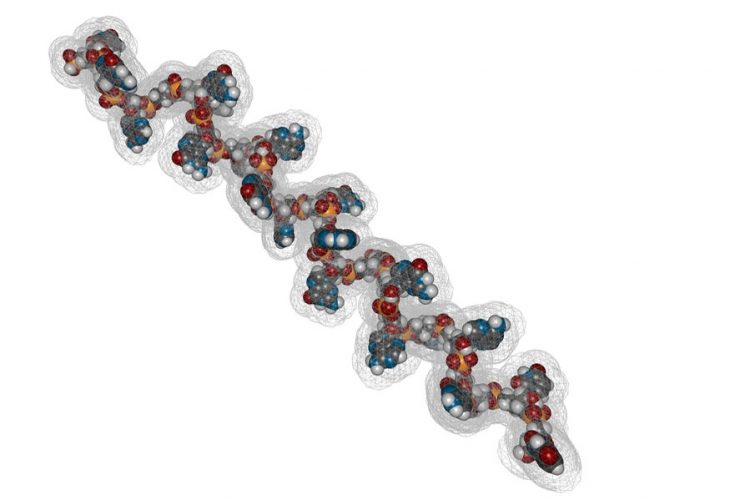
A microRNA that regulates inflammation shows promise as a treatment for inflammatory diseases such as asthma and cancer.
The microRNA, known as miR-223, is highly expressed in blood cells that cause inflammation (neutrophils). When they’re working correctly, those blood cells help protect the human body against infections, but sometimes they damage to host tissue instead of microbes, causing chronic inflammation and disease.
To uncover the link between miR-223 and inflammation, a Purdue University research team created a zebrafish totally deficient of miR-223. Then they cut off a small chunk of its fin.
Drug Target Review has just announced the launch of its NEW and EXCLUSIVE report examining the evolution of AI and informatics in drug discovery and development.
In this 63 page in-depth report, experts and researchers explore the key benefits of AI and informatics processes, reveal where the challenges lie for the implementation of AI and how they see the use of these technologies streamlining workflows in the future.
Also featured are exclusive interviews with leading scientists from AstraZeneca, Auransa, PolarisQB and Chalmers University of Technology.
Instead of using steroids to drive away the immune cells, maybe this microRNA could be given
“The inflammation was really robust,” said Qing Deng, a Professor of Biological Sciences at Purdue and corresponding author of the paper. “Neutrophils accumulated at the wound and they just kept coming. This is consistent with the literature, but we wanted to understand why.”
Extensive gene expression analysis led them to pathway NF-kB, a protein complex found in nearly all animal cell types that regulates inflammation and cell proliferation. Heightened activation of this pathway is the cause of increased inflammation, although it’s limited to the deeper, or basal, a layer of the epithelium. This means any therapeutics would need to reach the basal layer to work.
The same pathway plays an important role in human bronchial epithelial cells, which are critical in the development of asthma, according to the study. MiR-223 suppresses the pathway, which means supplementing it to epithelial cells could help control inflammatory disease.
“We don’t have human trials yet, but we think it’s promising,” Dr Deng said. “Instead of using steroids to drive away the immune cells, maybe this microRNA could be given.”
The research has been published in Cell Reports.
