


Breakthrough for mosquito virus outbreaks
Posted: 29 August 2017 | Dr Zara Kassam (Drug Target Review) | No comments yet
A team of researchers are developing ways to treat debilitating diseases caused by alphaviruses such as Chikungunya and Ross River virus…
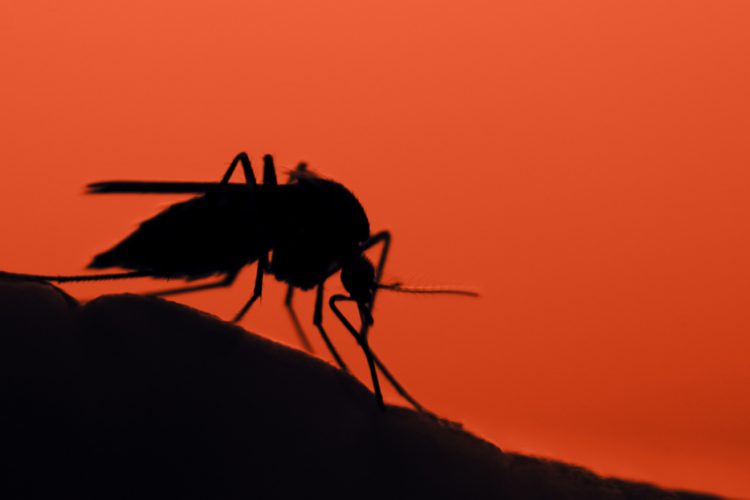
A team of researchers are developing ways to treat debilitating diseases caused by alphaviruses such as Chikungunya and Ross River virus, the researchers have discovered a way that could help treat severe inflammation from an infectious mosquito-borne disease during outbreaks.
“When we infected mice with Chikungunya, we found that a type of inflammasome known as NLRP3 was activated, which triggered an inflammatory cascade, leading to severe joint inflammation and bone damage,” said Dr Ali Zaid, a lead author of the study.
“So we used a molecule which specifically inhibits the activation of NLRP3, and we found that it helped reduce Chikungunya inflammation in mice, and also helped reduce bone loss and muscle inflammation. “We found the same in mice infected with Ross River virus.
Targeting the inflammasome using this kind of drug could be an efficient way to treat patients suffering from acute Chikungunya or Ross River virus disease during outbreaks,” Dr Zaid added.
Collaborator Professor Matt Cooper from the Institute of Molecular Bioscience at the University of Queensland said, “By precisely modulating how our immune system responds to infection, we hope to develop new therapies that can be used to treat people with these serious diseases”
Drug Target Review has just announced the launch of its NEW and EXCLUSIVE report examining the evolution of AI and informatics in drug discovery and development.
In this 63 page in-depth report, experts and researchers explore the key benefits of AI and informatics processes, reveal where the challenges lie for the implementation of AI and how they see the use of these technologies streamlining workflows in the future.
Also featured are exclusive interviews with leading scientists from AstraZeneca, Auransa, PolarisQB and Chalmers University of Technology.
Professor Suresh Mahalingam said the findings were important as inflammasome NLRP3 was prominently expressed in CHIKV patients with severe disease. “The NLRP3 inhibitor drug, MCC950, provided significant amelioration of inflammation and disease in CHIKV-infected mice. The drug provided these therapeutic benefits without compromising antiviral immunity.”
The research has been published in the journal Nature Microbiology.
Related topics
Drug Targets, Therapeutics
Related conditions
Chikungunya, Ross River virus
Related organisations
Institute of Molecular Bioscience at the University of Queensland
Related people
Dr Ali Zaid, Professor Mahalingam, Professor Matt Cooper
