


Artificial Intelligence system to help detect skin cancer
Posted: 23 August 2017 | Dr Zara Kassam (Drug Target Review) | No comments yet
New technology being developed by researchers is using artificial intelligence to help detect melanoma skin cancer earlier…
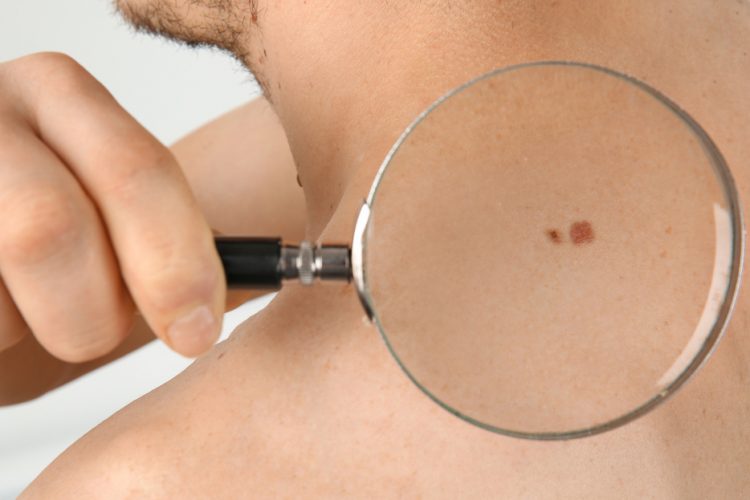
New technology being developed by researchers is using artificial intelligence (AI) to help detect melanoma skin cancer earlier.
The technology employs machine-learning software to analyse images of skin lesions and provide doctors with objective data on tell-tale biomarkers of melanoma, which is deadly if detected too late, but highly treatable if caught early.
The AI system–trained using tens of thousands of skin images and their corresponding eumelanin and haemoglobin levels–could initially reduce the number of unnecessary biopsies, a significant health-care cost. It gives doctors objective information on lesion characteristics to help them rule out melanoma before taking more invasive action. The technology could be available to doctors as early as next year.
Drug Target Review has just announced the launch of its NEW and EXCLUSIVE report examining the evolution of AI and informatics in drug discovery and development.
In this 63 page in-depth report, experts and researchers explore the key benefits of AI and informatics processes, reveal where the challenges lie for the implementation of AI and how they see the use of these technologies streamlining workflows in the future.
Also featured are exclusive interviews with leading scientists from AstraZeneca, Auransa, PolarisQB and Chalmers University of Technology.
“This could be a very powerful tool for skin cancer clinical decision support,” said Alexander Wong, Professor of Systems Design & Engineering at Waterloo. “The more interpretable information there is, the better the decisions are.”
Currently, dermatologists largely rely on subjective visual examinations of skin lesions such as moles to decide if patients should undergo biopsies to diagnose the disease.
The new system deciphers levels of biomarker substances in lesions, adding consistent, quantitative information to assessments currently based on appearance alone. In particular, changes in the concentration and distribution of eumelanin, a chemical that gives skin its colour, and haemoglobin, a protein in red blood cells, are strong indicators of melanoma.
“There can be a huge lag time before doctors even figure out what is going on with the patient,” said Prof Wong. “Our goal is to shorten that process.”
Related topics
Biomarkers, Oncology
Related conditions
Skin cancer
Related organisations
University of Waterloo
Related people
Daniel Cho, David Clausi, Farzad Khalvati
