

Tumours detected with sugar molecules
Posted: 15 August 2017 | Dr Zara Kassam (Drug Target Review) | No comments yet
Scientists have synthesised a complex sugar structure that specifically binds to the tumour protein Galectin-1…
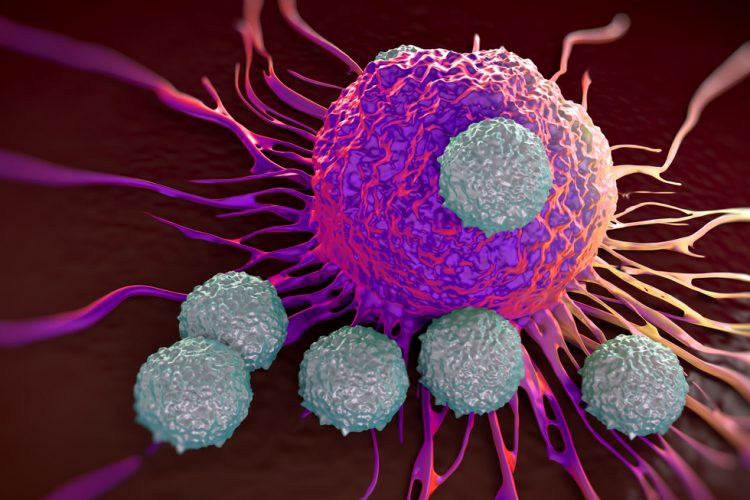
Scientists have synthesised a complex sugar structure that specifically binds to the tumour protein Galectin-1, which could help to recognise tumours at an early stage and to combat them in a targeted manner.
“Among other things, it is known that galectin-1 hides the tumour cells from the immune system,” explains Professor Jürgen Seibel of the Institute of Organic Chemistry at the University of Würzburg. Recent studies have shown that when Galectin-1 is blocked, the immune system can recognise the tumour and attack it with T cells.
Galectin-1 has become a major focus of research for Prof Seibel and his research team, they are now interested in a very specific section of protein, the so-called carbohydrate recognition domain. The researchers are currently working on a rapid test for the detection of galectin-1. It is designed to enable early detection of tumours such as neuroblastoma.
“We have provided the sugar molecule with a docking site, for example, to connect it with a fluorescent dye or an active substance,” said Prof Seibel. In addition, the scientists have described the binding of their molecule to galectin-1 with high-resolution X-ray structure analyses.
“Our findings can serve the development of high-affinity ligands of the protein Galectin-1 and thus also new drugs,” said Dr Clemens Grimm
Drug Target Review has just announced the launch of its NEW and EXCLUSIVE report examining the evolution of AI and informatics in drug discovery and development.
In this 63 page in-depth report, experts and researchers explore the key benefits of AI and informatics processes, reveal where the challenges lie for the implementation of AI and how they see the use of these technologies streamlining workflows in the future.
Also featured are exclusive interviews with leading scientists from AstraZeneca, Auransa, PolarisQB and Chalmers University of Technology.
For the future, Prof Seibel’s team would like to expand the sugar molecules into a kind of shuttle system that allows pharmaceutical agents to be transported directly to the tumours. The study has been published in ChemBioChem.
Related topics
Drug Discovery, Molecular Targets, t-cells
Related conditions
Cancer, Neuroblastoma, Tumours
Related organisations
University of Würzburg
Related people
Dr Clemens Grimm, Professor Jürgen Seibel
