


Killer peptide helps eliminate resistant cancer cells
Posted: 10 August 2017 | Dr Zara Kassam (Drug Target Review) | No comments yet
Scientists have identified a Par-4 amino-terminal fragment that is released by diverse therapy-sensitive cancer cells…
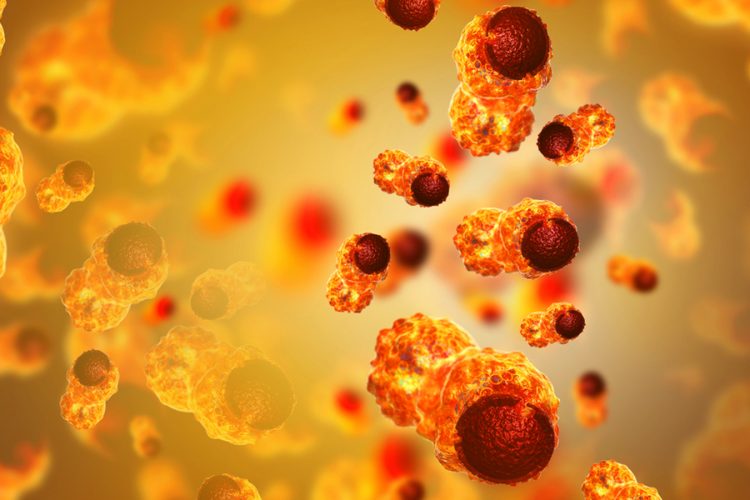
Scientists have identified a Par-4 amino-terminal fragment (PAF) that is released by diverse therapy-sensitive cancer cells following therapy-induced cleavage of the tumour suppressor Par-4 protein. PAF caused death in cancer cells resistant to therapy and inhibited metastatic tumour growth, in the study, published in Cancer Research.
The PAF entered only cancer cells, not normal cells, keeping healthy tissue intact. The findings indicate that this naturally generated PAF could potentially be harnessed to target neighbouring or distant cancer cells to overcome metastasis and therapy resistance in tumours.
“This new information could positively impact how physicians plan their treatments, so as to use the sensitive cells in the tumour to release this peptide to help eliminate the resistant cells,” said Vivek Rangnekar, principal investigator and Alfred Cohen Chair in Oncology Research with the University of Kentucky College of Medicine’s Department of Radiation Medicine. “We are developing PAF against therapy-resistant tumour metastasis for which no other treatment options are available.”
Drug Target Review has just announced the launch of its NEW and EXCLUSIVE report examining the evolution of AI and informatics in drug discovery and development.
In this 63 page in-depth report, experts and researchers explore the key benefits of AI and informatics processes, reveal where the challenges lie for the implementation of AI and how they see the use of these technologies streamlining workflows in the future.
Also featured are exclusive interviews with leading scientists from AstraZeneca, Auransa, PolarisQB and Chalmers University of Technology.
Tumour relapse is a common problem following cancer treatment, because primary tumour cells often contain therapy-resistance cancer cells that continue to proliferate after the therapy-sensitive cells have been eliminated.
Related conditions
metastatic cancer
Related organisations
Kentucky University
Related people
Alfred Cohen, Vivek Rangnekar
