


Biomarkers show promise as Alzheimer’s diagnostic tool
Posted: 27 July 2017 | Dr Zara Kassam (Drug Target Review) | No comments yet
Physical biomarkers have been discovered that may help diagnose the changes to proteins found in the spinal fluid and blood of Alzheimer’s patients…
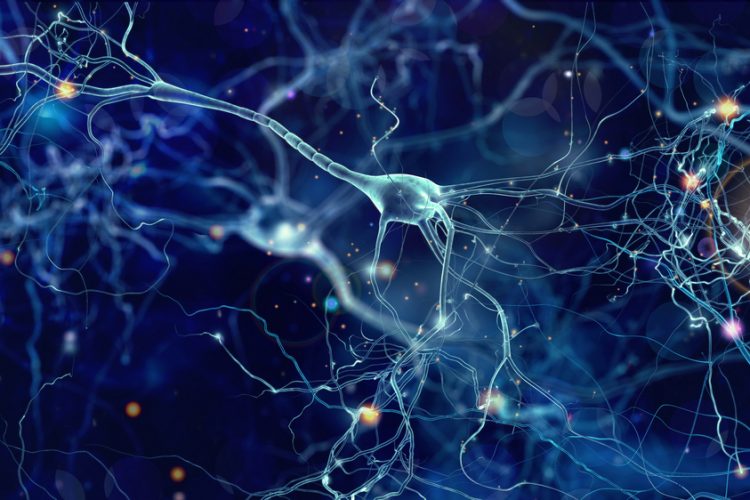
Physical biomarkers have been discovered that may help diagnose the changes to proteins found in the spinal fluid and blood of Alzheimer’s patients.
Information about the biomarkers and several other factors – including scores from cognitive assessments of patients – can be used in an algorithm designed to rate the severity of illness, and potentially confirming a new method to predict a patient’s outlook. Lead researcher Professor Mingjun Zhang, of biomedical engineering at Ohio State, has said: “With a tool like this you may predict how fast this disease will go, and currently we can’t do that – we just know everyone is different.”
“Looking at multiple indicators of the disease all at once increases the reliability of the diagnosis and prognosis,” said Prof Zhang.
The information used in the study came from a database of medical information – and samples of spinal fluid and blood – from patients seen by study co-author Douglas Scharre, a professor of clinical neurology and psychiatry at the Neurological Institute at Ohio State’s Wexner Medical Centre. “Currently available medications treat only symptoms of the disease and work best with an early diagnosis. Improved diagnostic tools could help doctors sort out more quickly which patients have Alzheimer’s disease and which are experiencing cognitive decline for other reasons,” he said. “The experimental tools aren’t ready for clinical use yet, but could lead to improvements in treatment in multiple ways,” he added.
Drug Target Review has just announced the launch of its NEW and EXCLUSIVE report examining the evolution of AI and informatics in drug discovery and development.
In this 63 page in-depth report, experts and researchers explore the key benefits of AI and informatics processes, reveal where the challenges lie for the implementation of AI and how they see the use of these technologies streamlining workflows in the future.
Also featured are exclusive interviews with leading scientists from AstraZeneca, Auransa, PolarisQB and Chalmers University of Technology.
Jeff Kuret, a study co-author and professor of biological chemistry and pharmacology at Ohio State, has said: “Looking for physical changes in proteins is a growing area of interest for those seeking disease biomarkers.” Prof Kuret added: “This kind of test is especially promising for Alzheimer’s because it’s a relatively slow-moving illness and one in which the ability to determine stages of disease could lead to better, more personalised treatments down the road.” “To be able to follow individual patients from pre-symptomatic through all stages of Alzheimer’s progression would be incredibly helpful,” he added.
Related topics
Biomarkers
Related conditions
Alzheimer’s disease
Related organisations
biomedical engineering at Ohio State, Ohio State's Wexner Medical Centre.
Related people
Professor Douglas Scharre, Professor Mingjun Zhang
