




news
Measuring microRNAs in blood may indicate dementia risk
Researchers identified three microRNAs whose levels were associated with mental performance in cells, mice and humans.
List view / Grid view
Researchers identified three microRNAs whose levels were associated with mental performance in cells, mice and humans.


Mission Therapeutics was granted $500,000 from the The Michael J Fox Foundation for Parkinson’s Research for DUB inhibitor testing.
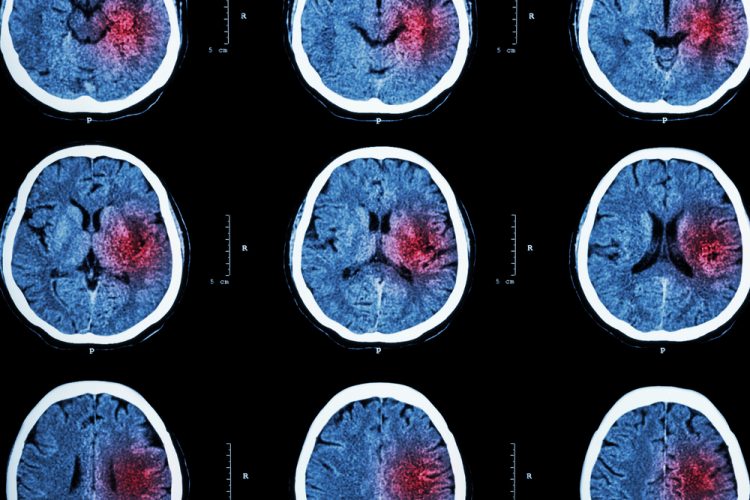
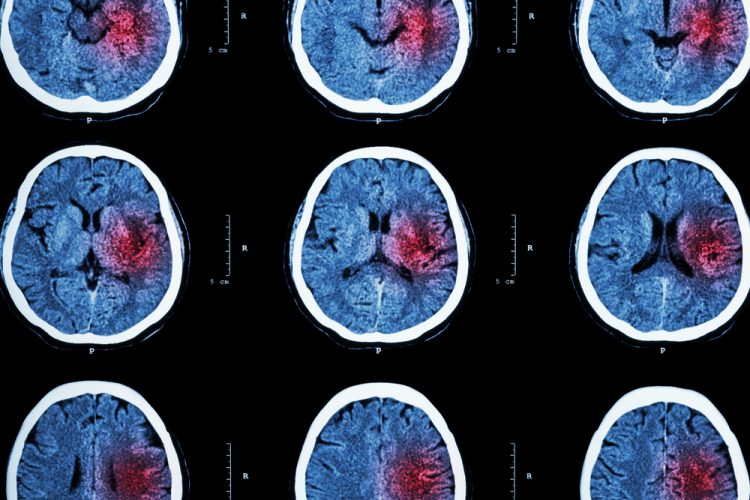
Researchers are identifying molecules that interact with neurolysin, a peptidase that helps protect the brain against stroke.


Boosting dendritic cells prevented immunotherapy resistance in mouse models, suggesting a new approach to colorectal cancer therapies.


The Wyss Centre has announced a collaborative project to improve understanding of the brain cancer glioblastoma and develop new personalised therapies.
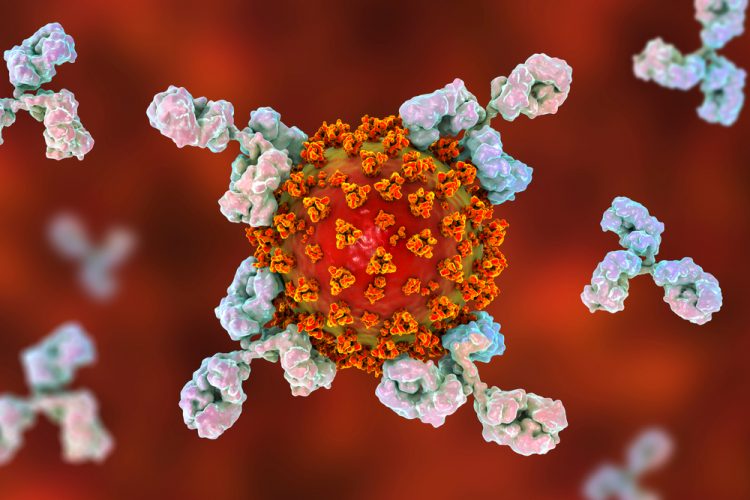
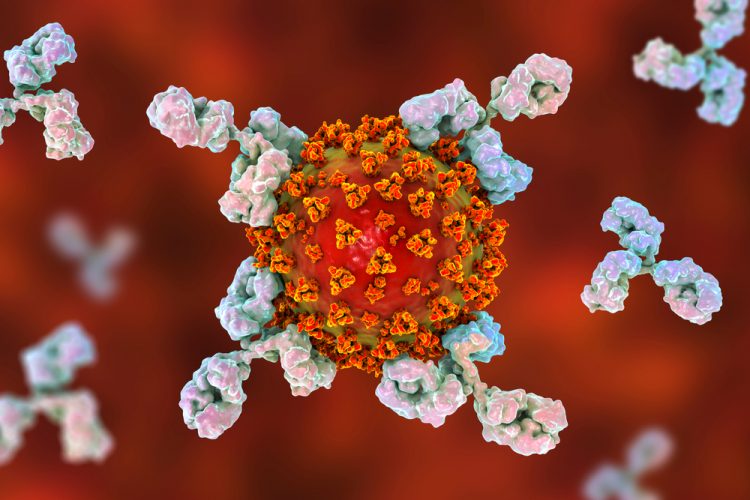
Researchers have used genetically engineered SARS-CoV-2 Spike proteins to boost antibodies against a range of coronaviruses in mice.
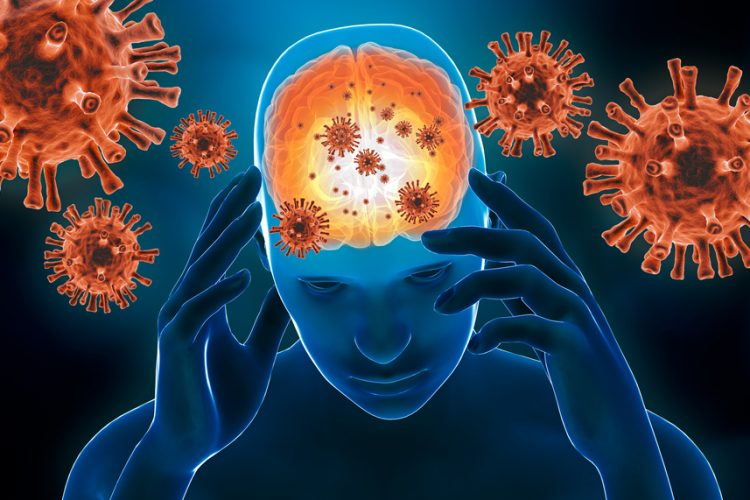
Scientists have identified the OAS1 gene as a risk factor for both Alzheimer's disease and COVID-19, suggesting potential drug targets.
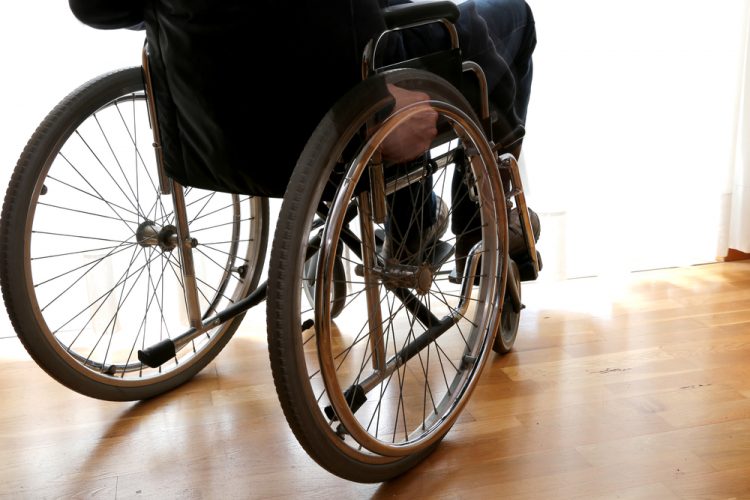

Stealth BioTherapeutic's SBT-272 improved mitochondrial motility in a murine model of amyotrophic lateral sclerosis.


A new study has suggested that mucosal vaccines may reduce transmission of airborne viruses such as COVID-19 more than injectable vaccines.


Nanobubbles known as extracellular vesicles (EVs) were shown to deliver protein drugs in animal models with inflammatory diseases.
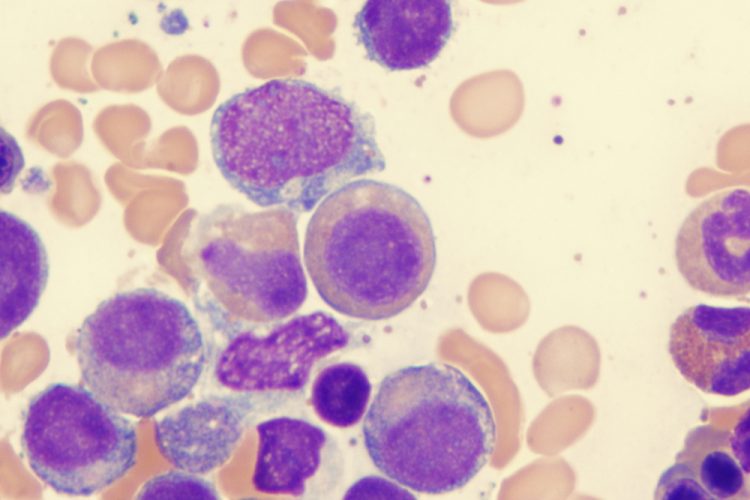
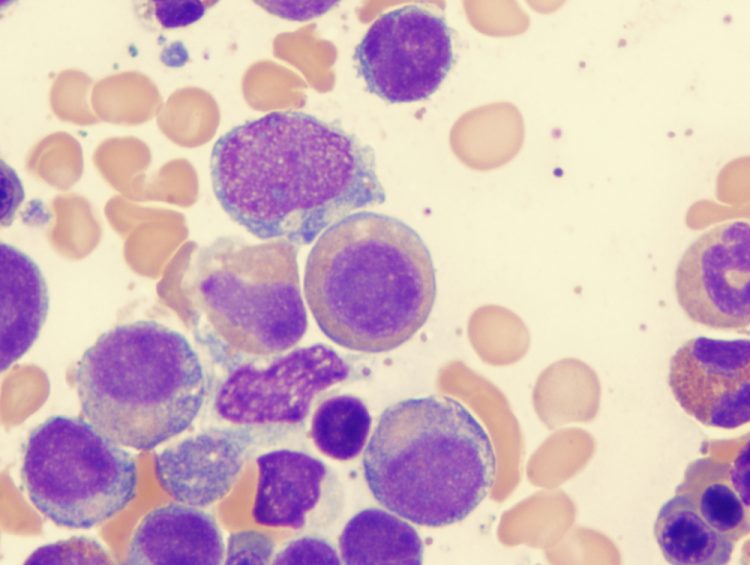
Researchers have uncovered how mutations affecting RNA splicing alter cells to develop myelodysplastic syndrome (MDS).


RGX-202 was found to foil a key pathway that cancer cells rely on for energy in mice, presenting a possible new colorectal cancer therapy.


Axitinib, a common chemotherapy drug, restored memory and cognitive function in mouse models, representing a potential Alzheimer’s treatment.
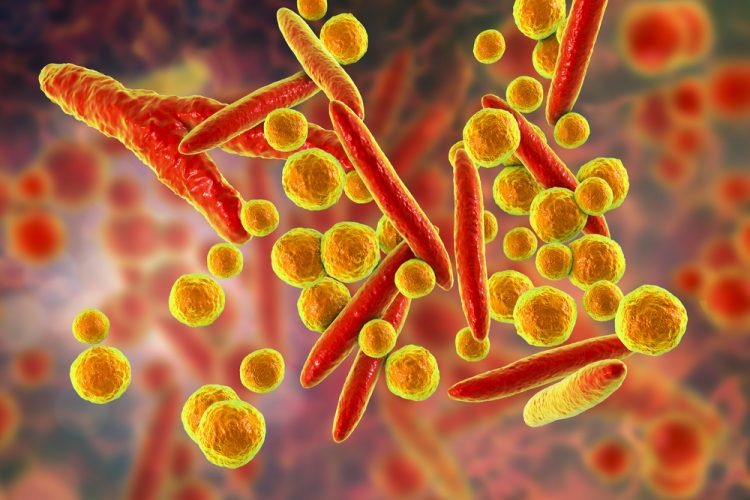
Researchers have created the first “living medicine” to treat antibiotic-resistant bacteria growing on the surfaces of medical implants.


A protein-based vaccine has proven a promising option to prevent rheumatoid arthritis, improving bone quality in animal models.
