


news
Stem cell therapy repairs damage from dementia in mouse brains
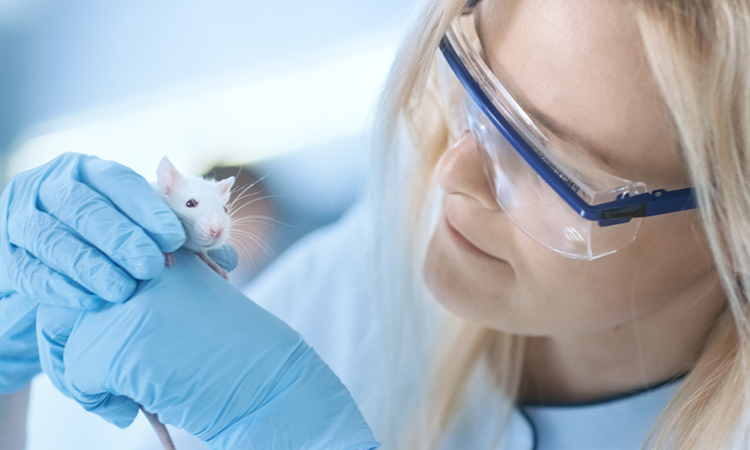
Researchers have developed a stem cell therapy that could treat the damage caused by dementia by launching a repair response.
List view / Grid view
Researchers have developed a stem cell therapy that could treat the damage caused by dementia by launching a repair response.

Researchers have developed a platform named FAST to produce antibiotics that specifically target just the bacteria of interest.

5,000+ drug target reagents for antibody, small molecule drug discovery and development, including immune checkpoints, cytokines and kinases.

A new COVID-19 vaccine could provide protection from severe infection from a range of coronaviruses, studies in pigs have shown.
Dr James Woody discusses off-patent indications for anti-TNF to address unmet patient needs in pain, inflammation and beyond.
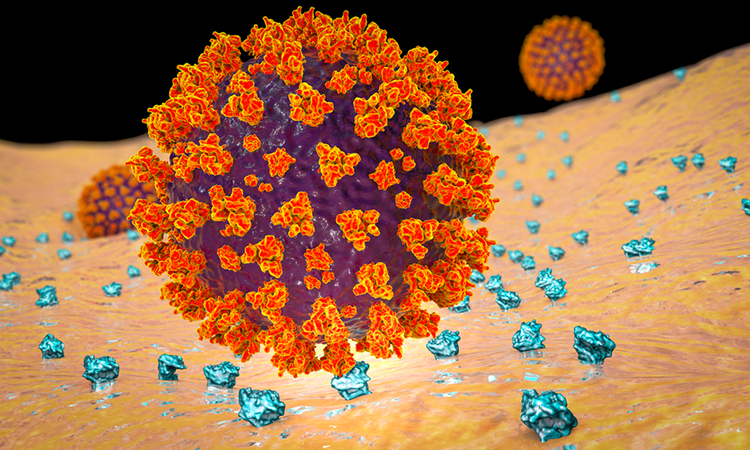
Dr Brittany Busse discusses why COVID-19 can influence the onset of diabetes and how this could shape the development of therapeutics.

A study has shown that treatments to reduce levels of hydrogen sulphide (H2S) in the brain may help to prevent dementia.
A team has demonstrated in mouse models that a self-assembling nanofibre material could limit the damage caused by cytokines in inflammatory diseases.

Delivering Txnip to mice with retinitis pigmentosa was an effective treatment, making this approach a potential gene therapy for the disease.

14 April 2021 | By Fluidigm
Watch our free on-demand webinar to learn more about using Imaging Mass Cytometry™ (IMC™) to measure over 40 protein targets with subcellular resolution.

Induced pluripotent stem cells (iPSC) intestinal organoids have been created to duplicate SARS-CoV-2, enabling drug testing.

Researchers say that inhibiting NLRP3 with Dapansutrile could be an effective strategy to prevent melanoma tumour growth.

Dr Praveen Prathapan explains why broad-spectrum therapeutics need to be identified to provide a safety net against pandemics, including COVID-19.

Researchers have shown that an mRNA delivery system can be used to produce the BDNF protein in rats to protect neurons from ischemia.
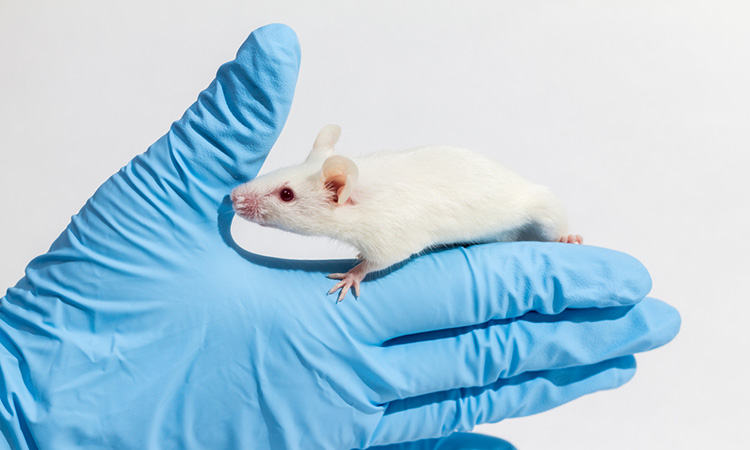
Studying the mouse gene Ophn1, researchers have found its removal causes stressed behaviours, also identifying three ways to reverse this effect.
