


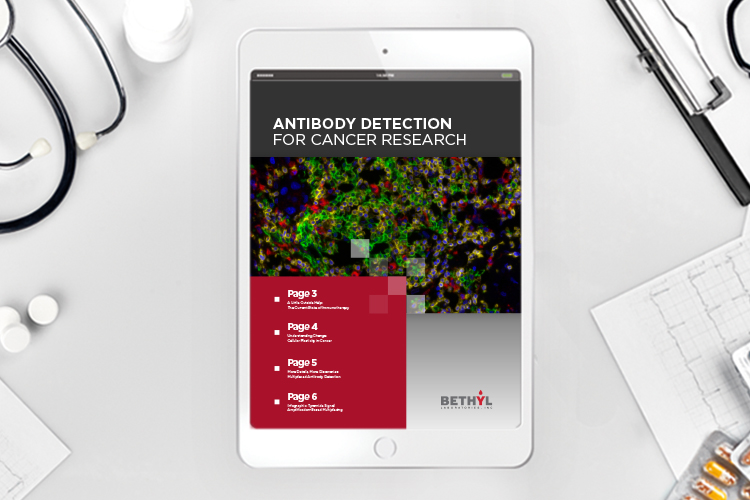
whitepaper
ebook: Antibody detection for cancer research
Gain more insight into immune-tumor interactions and learn how antibody detection techniques like multiplexing is advancing immunotherapies.
List view / Grid view
Gain more insight into immune-tumor interactions and learn how antibody detection techniques like multiplexing is advancing immunotherapies.
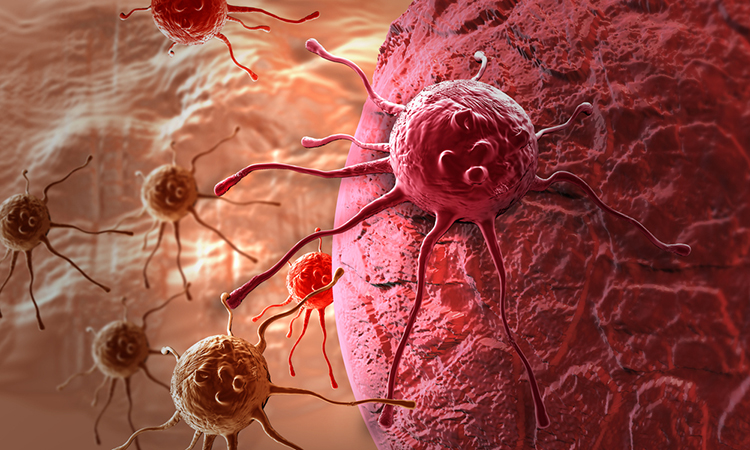
The exciting potential of immunotherapy for cancer treatment continues its exploration and here, Drug Target Review investigates three of the latest pre-clinical developments in immuno-oncology research.
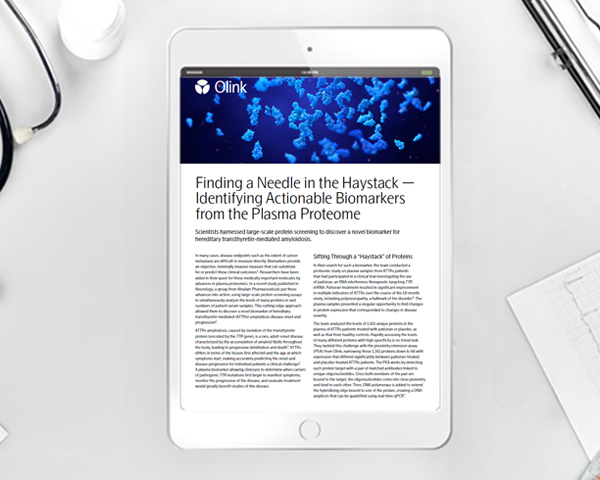
Summary of a neurology publication by Alnylam Pharmaceuticals: large-scale protein screening identifies novel biomarker for onset and progression of lethal ATTRv amyloidosis.

The fat molecule avocatin B, found in avocados, was shown to inhibit VLCAD, an enzyme vital for leukaemia cell metabolism.
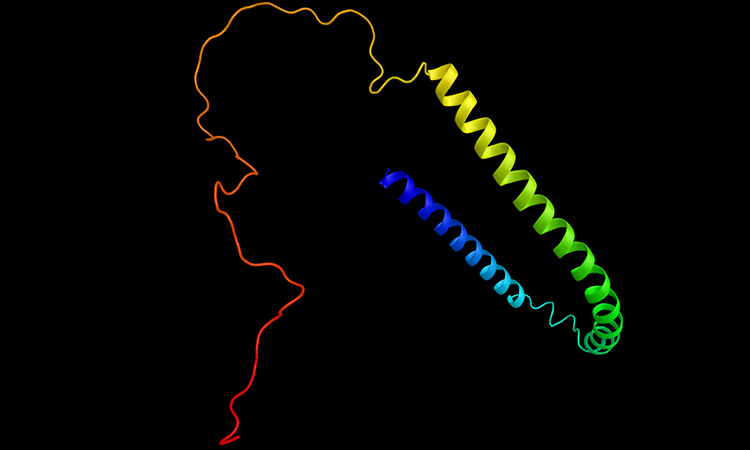
Optical tweezers-coupled Raman spectroscopy has been used to reveal the structure of alpha-synuclein, an IDP linked to Parkinson's disease.
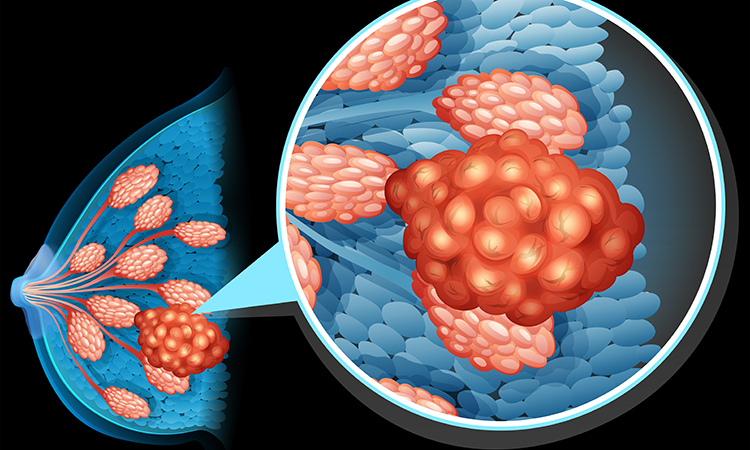
A new study in cell cultures has shown that the sanguinarine plant compound could be used to treat people with triple-negative breast cancer.

Four hepatitis C drugs have demonstrated promise as boosters to increase the efficacy of remdesivir against SARS-CoV-2 by as much as tenfold.
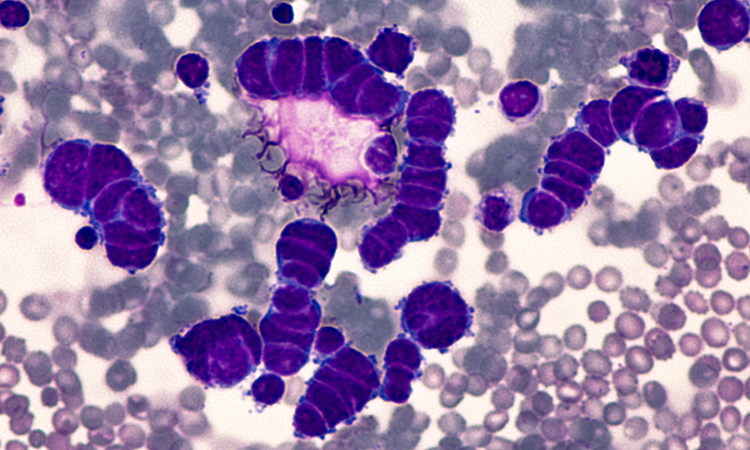
Having sequenced samples of advanced small-cell lung cancer, researchers have identified patterns linked to resistance to certain therapies.
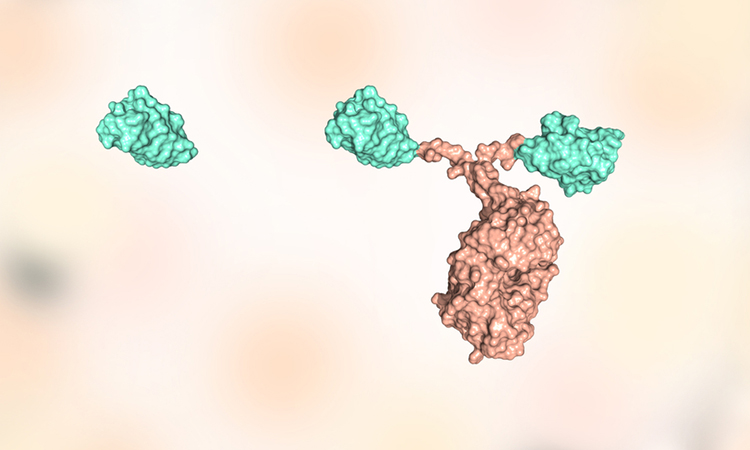
Researchers have used cryo-EM to show that a new nanobody cocktail can bind to the S protein of SARS-CoV-2, neutralising the coronavirus.
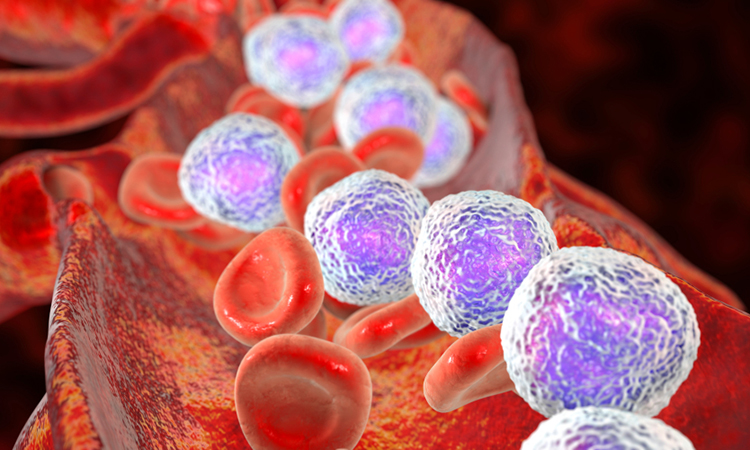
Scientists have developed a drug called STM2457 which inhibits a key enzyme involved in acute myeloid leukaemia.
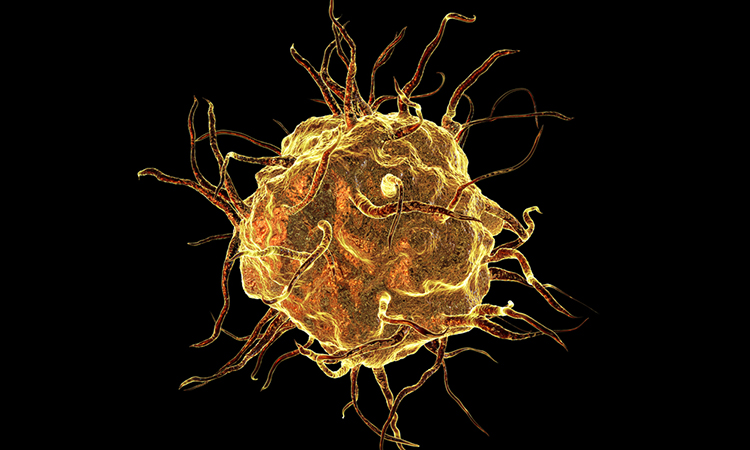
Researchers have shown in mice that macrophages play a role in controlling blood flow and healing following tissue damage.

A candidate vaccine has shown potential against MERS in non-human primates, when administered intradermally.
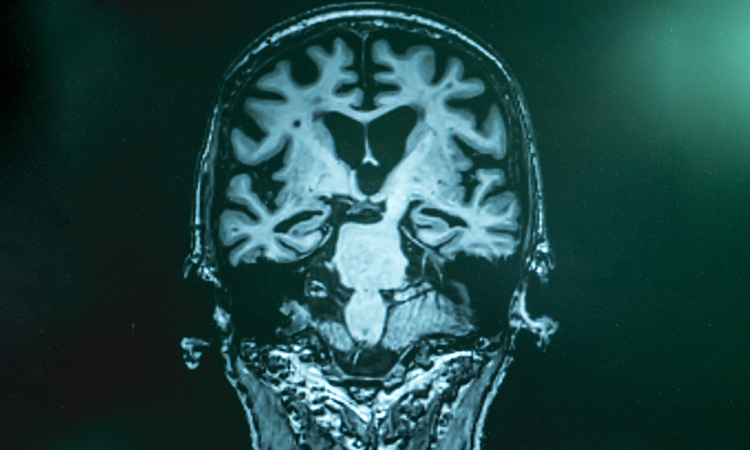
Oral doses of a new drug named CA administered to mouse models led to improvements in Alzheimer's disease, including memory.
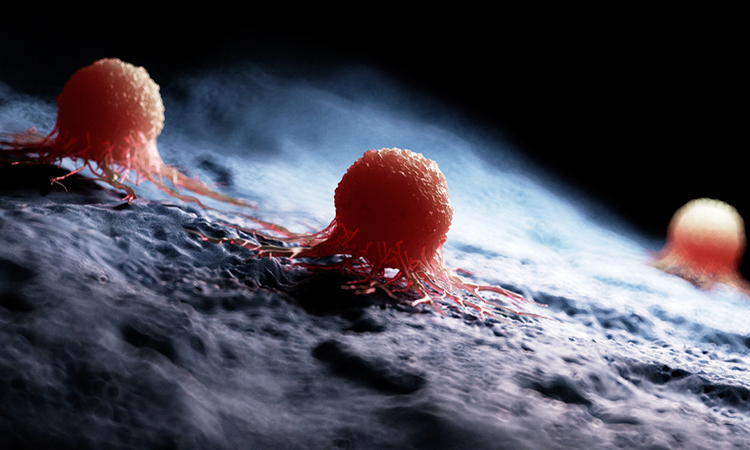
Having synthesised the curcusone D compound, researchers demonstrated its promise as the first BRAT1 inhibitor, making it a potential cancer therapy.
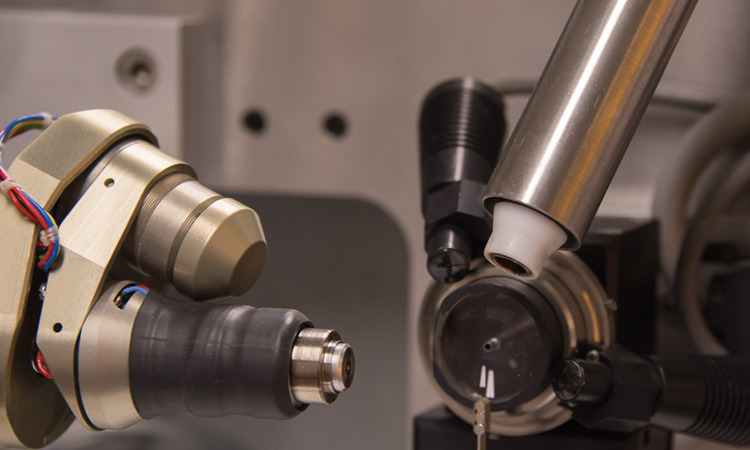
A range of imaging and computational techniques were used by researchers to discover the structure of the PH domain of PLEKHA7.
