


news
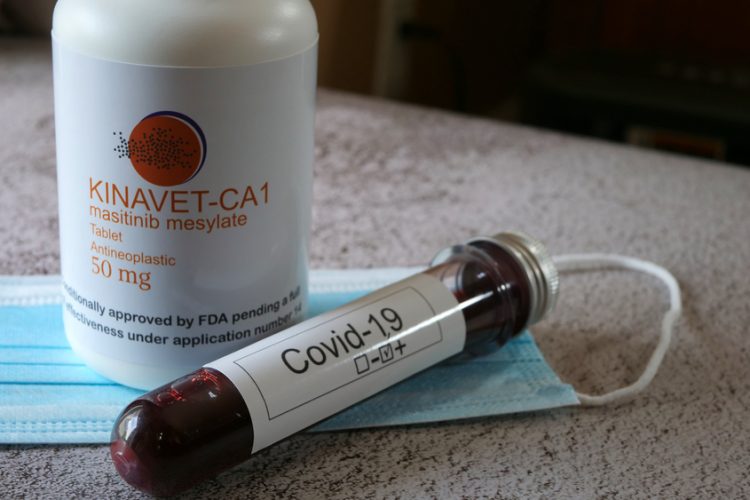
Masitinib found to be an effective COVID-19 treatment in mouse model
Scientists from the University of Chicago discovered that the drug masitinib inhibits the replication of SARS-CoV-2 in mice.
List view / Grid view
Scientists from the University of Chicago discovered that the drug masitinib inhibits the replication of SARS-CoV-2 in mice.


Listen to this podcast to discover how SARS-CoV-2 variants are sequenced and why PCR assays could provide an alternative for resource-constrained places.
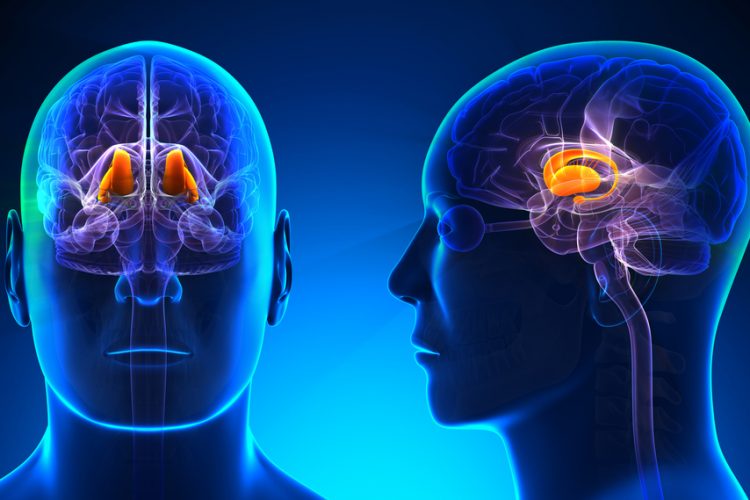
Research shows that cells gather more data inside the thalamus than once believed, potentially changing medicines for brain disorders.
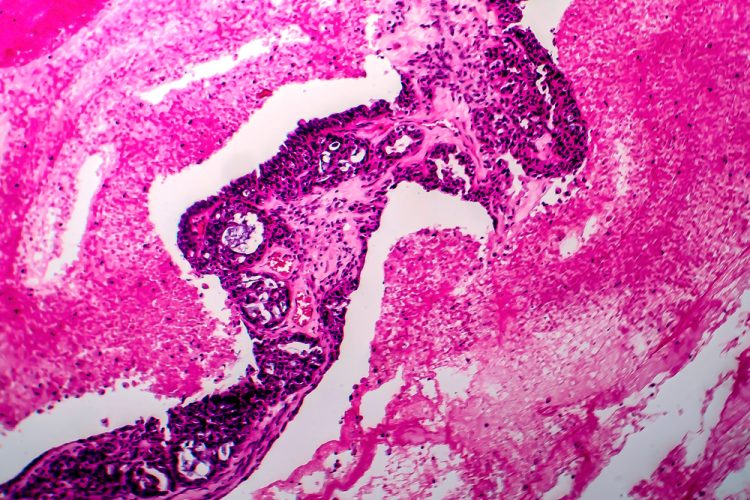
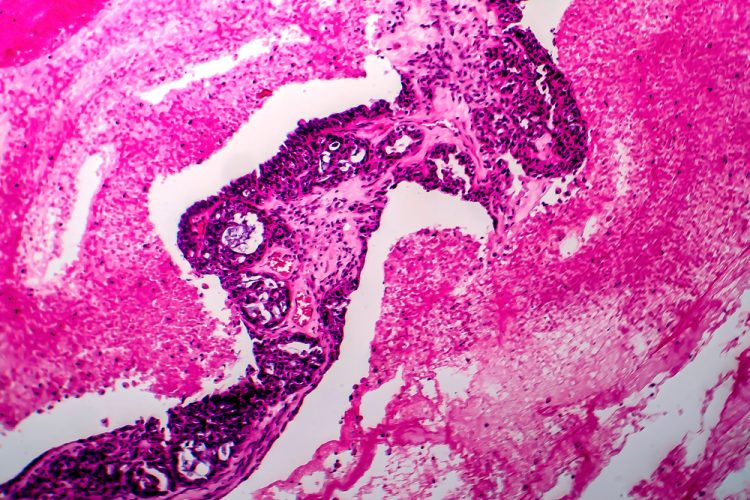
Scientists have uncovered the crucial role of the enzyme NMNAT-2 in ovarian cancers, as well as other biomarkers that could lead to treatments.


Researchers have revealed that the immune system of obese mice treated with TSLP released lipids through sebaceous glands.
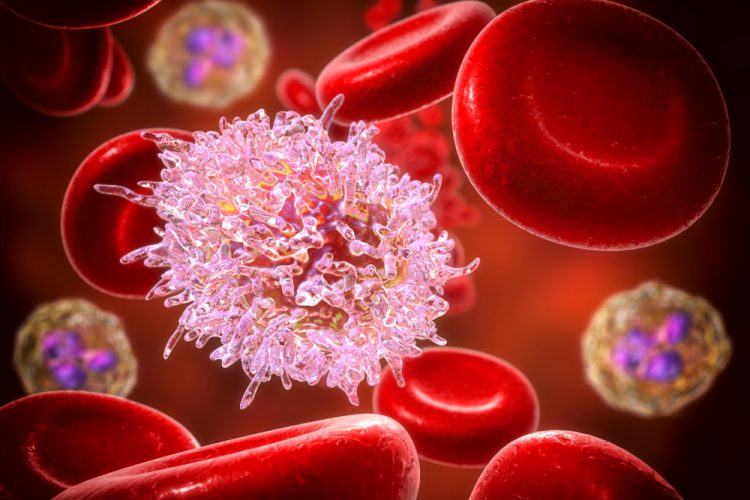
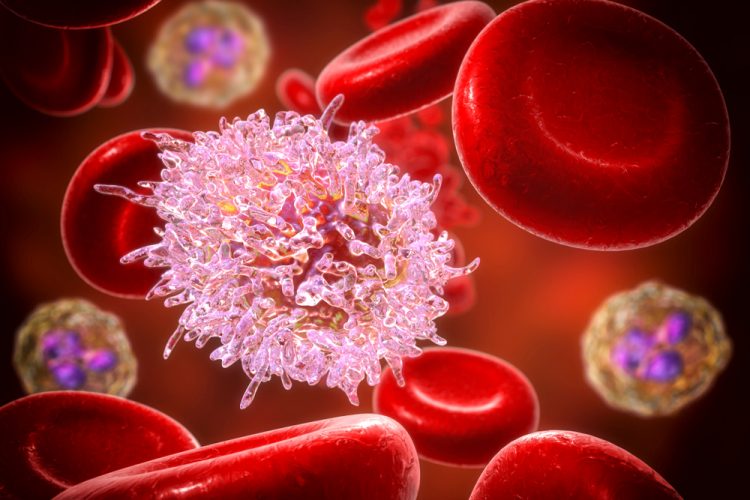
Study shows that removing the protein IGF2BP3 slows cancer growth and increases chances of survival of rare types of leukaemia in mice.


JDRF funds development of an insulin-producing implant to regulate blood glucose levels in type 1 diabetes patients.

Researchers have added to evidence that farnesol prevents and reverses brain damage linked to Parkinson’s disease in mouse models.
Researchers have discovered a therapeutic agent that is effective in vitro at disrupting a biological pathway that helps cancer survive.
Scientists have shown that manipulating the perineuronal nets (PNNs) in the brains of mice led to the reversal of age-related memory loss.
28 July 2021 | By Sartorius AG
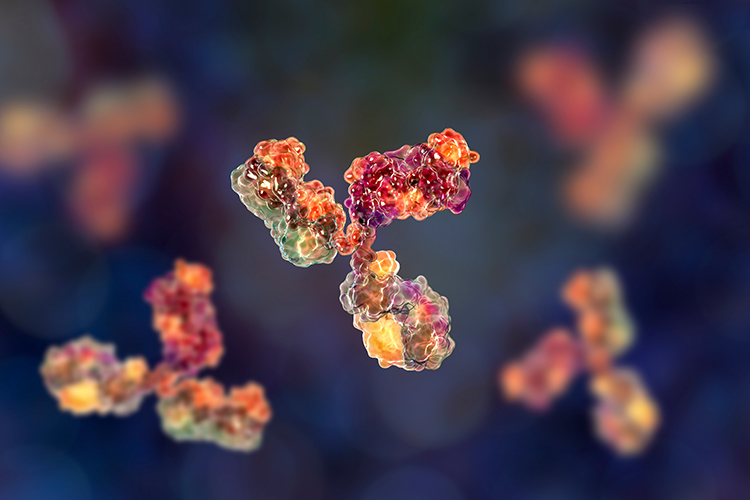
In this on-demand webinar, our expert illustrates the utility of GPCR libraries and explains how to discover potent functional antibodies against multiple GPCR targets.


An exosome formulation has been created to deliver vascular endothelial-growth factor (VEGF) antibodies for choroidal neovascularisation therapy in models.
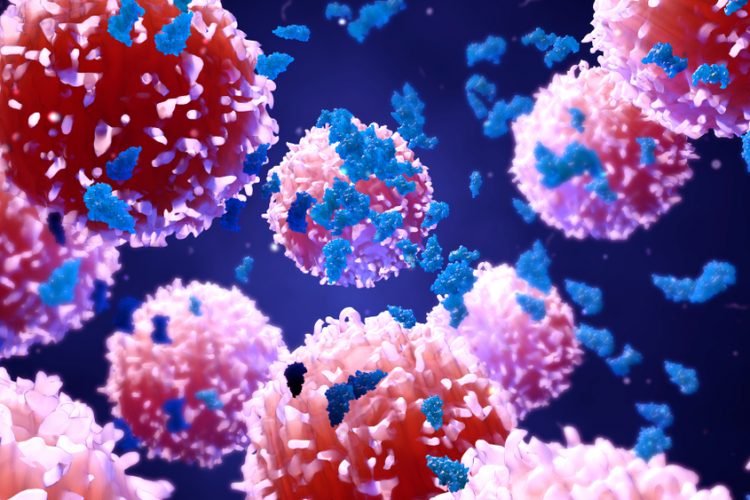
Researchers identified a potential therapeutic involving the inhibition of PIP4K enzymes which could enable the immune system to destroy tumour cells.


Scientists have developed a “llama nanobody” that is capable of chasing out human cytomegalovirus (HCMV) so it is detected by the immune system.
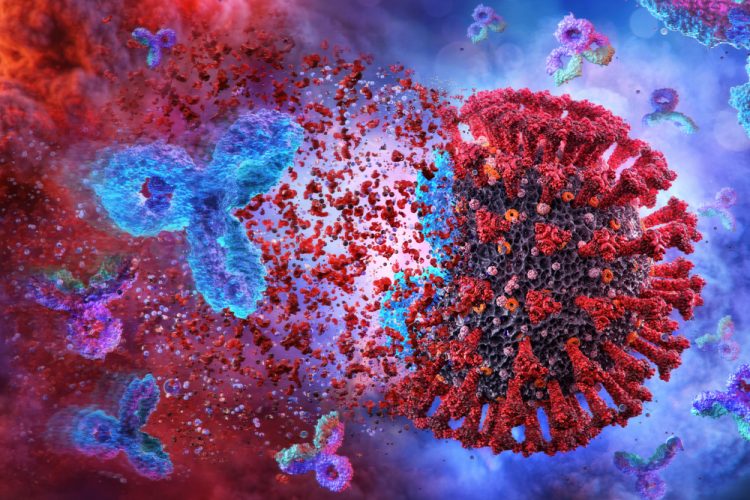
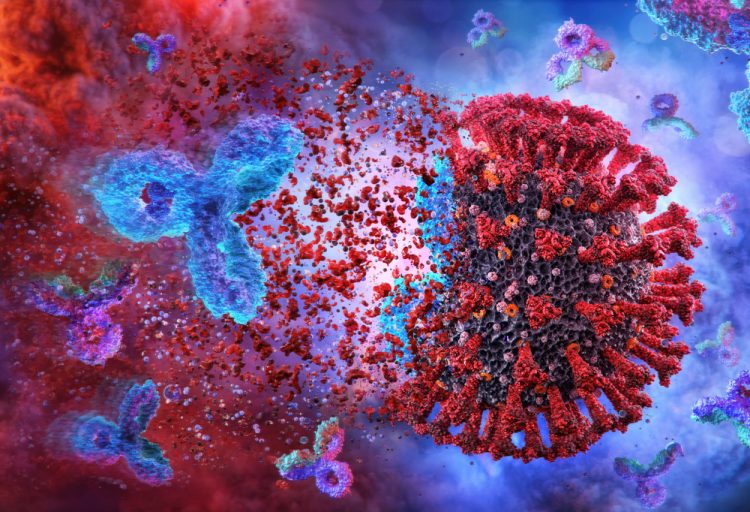
A new “atlas” has been created in the US that charts how 152 different antibodies attack the SARS-CoV-2 Spike protein.
