



news
Takeda and Cour in coeliac disease collaboration
10 December 2015 | By Victoria White
The partnership will focus on using nanotechnologies based on Cour’s Tolerizing Immune Modifying nanoParticle (TIMP) platform...
List view / Grid view
10 December 2015 | By Victoria White
The partnership will focus on using nanotechnologies based on Cour’s Tolerizing Immune Modifying nanoParticle (TIMP) platform...

7 December 2015 | By Victoria White
The collaboration, facilitated by Johnson & Johnson Innovation, aims to develop new cyclophilin inhibitors for neurodegenerative diseases...
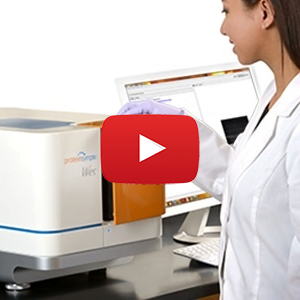
6 December 2015 | By ProteinSimple
This video provides an overview of the features from the Simple Western product range by ProteinSimple, including Wes, Sally Sue, Peggy Sue or NanoPro 1000...
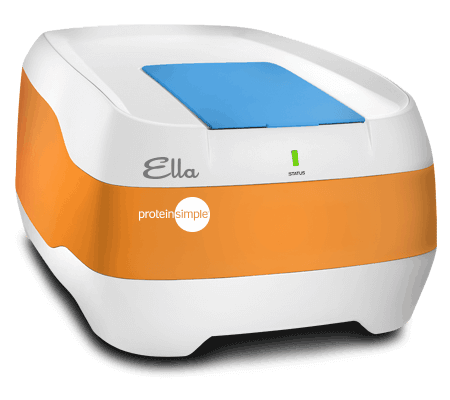
5 December 2015 | By ProteinSimple
Ella runs hands-free, multiplex-free, ELISA-free Simple Plex assays. She’ll give you results for multiple samples in 60 minutes flat...
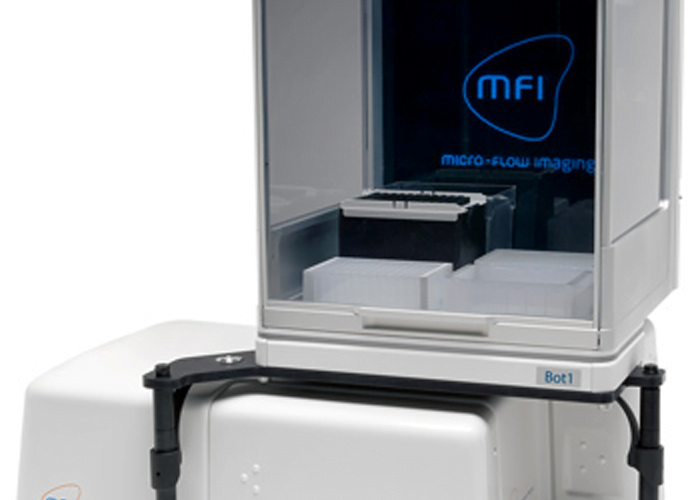
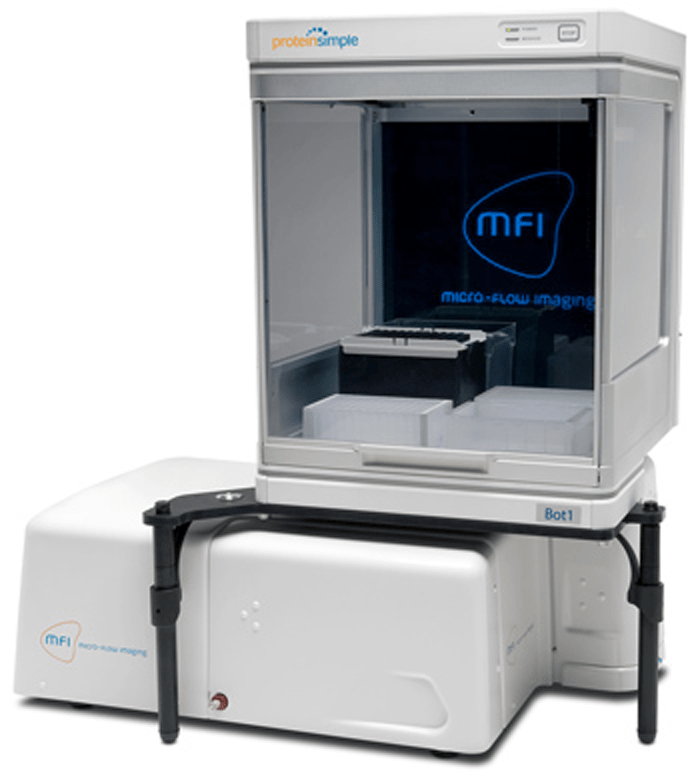
4 December 2015 | By ProteinSimple
Address the US FDA requirement to characterize and quantify protein aggregates and other particle contaminants sized 1-70 microns in biotherapeutics...

3 December 2015 | By ProteinSimple
Simple Western™ system that can separate, analyse and quantify proteins based on either size or charge…
3 December 2015 | By Drug Target Review
Included in this issue: Biomarkers, Mass Spectrometry, Target Validation, Drug Development, Personalised Medicines, Next-Generation Sequencing, Protein Expression, Companion Diagnostics, and much more...


In this Mass Spectrometry In-Depth Focus: Michelle M. Hill from University of Queensland discusses Mass spectrometric and systems biology approaches in drug target discovery, and Nicola Burgess-Brown, Rod Chalk, Claire Strain-Damerell and Pravin Mahajan from the Structural Genomics Consortium look at analysing recombinant proteins by mass spectrometry...

The pharmaceutical industry is searching for novel drug targets that could produce the next generation of ‘first-in-class’ therapeutic agents. The challenge for academia is to identify and translate such targets and to provide starting points and confidence in the underlying science. The aim should be to generate evidence that modulation…

Progress in the understanding of disease mechanisms provides new opportunities to discover molecules that modulate disease. To capitalise on these opportunities, successful lead discovery strategies need to build on insights into how a cellular phenotype or a target contributes to disease biology. Recent advances in induced pluripotent stem cells (iPSCs),…

2 December 2015 | By Victoria White
Boehringer Ingelheim and The University of Texas MD Anderson Cancer Centre are to focus on developing new medicines for pancreatic ductal adenocarcinoma...

2 December 2015 | By ProteinSimple
Simple Western™ system for the characterization of post-translational protein modification by the detection of charge isoforms...

30 November 2015 | By Victoria White
Heptares and Pfizer have announced they are to research and develop potential new medicines directed at up to 10 G protein-coupled receptor (GPCR) targets across multiple therapeutic areas...

30 November 2015 | By Victoria White
The aim of the project is to design a drug to inhibit a key parasite enzyme involved in the conversion of blood sugars to energy, to be effective in small doses, even on advanced infections, and kill the parasite...
27 November 2015 | By Victoria White
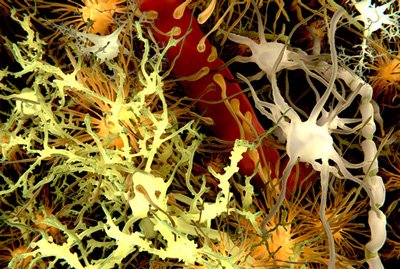
Researchers have discovered how connections between brain cells are destroyed in the early stages of Alzheimer’s disease...
