


news
Using 3D cell cultures to fight anti-cancer therapy resistance
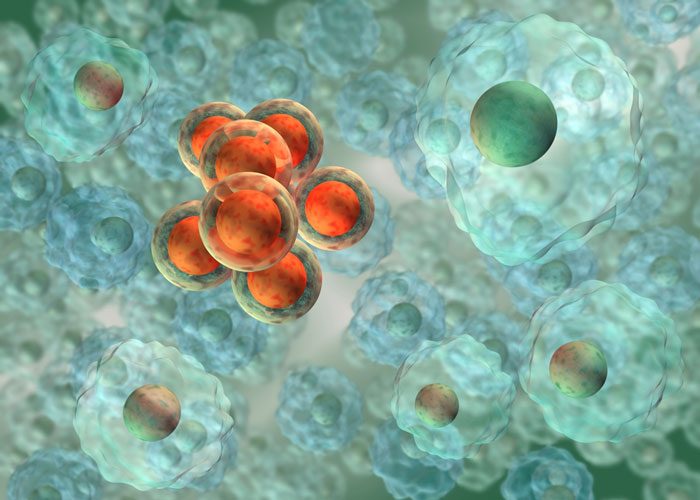
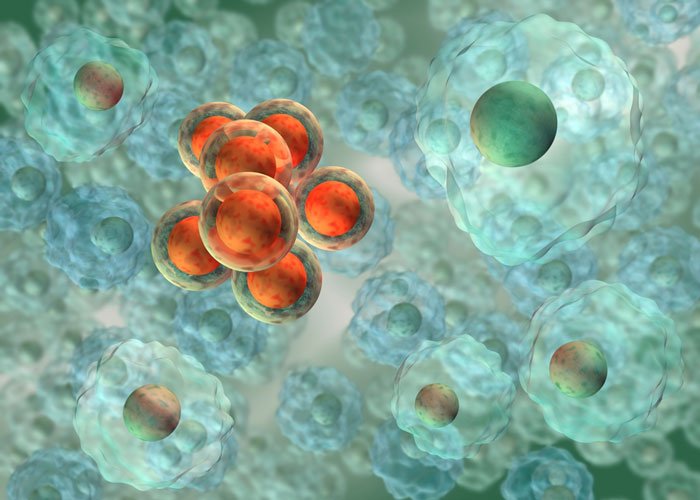
An international team of researchers have developed 3D cell cultures in which genes can be specifically modified to improve the use of targeted anti-cancer drugs...
List view / Grid view
An international team of researchers have developed 3D cell cultures in which genes can be specifically modified to improve the use of targeted anti-cancer drugs...
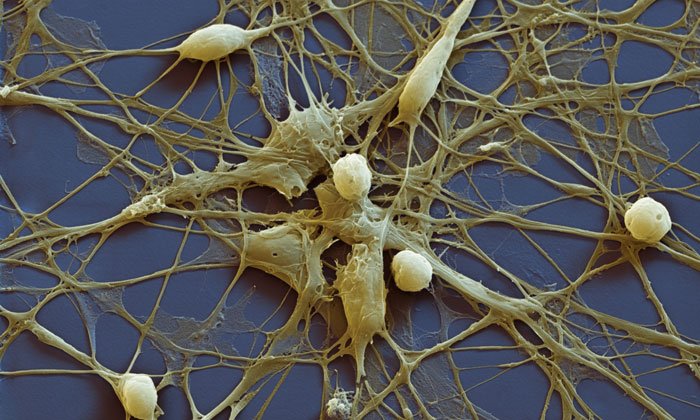
Mitochondrial DNA (mtDNA) mutations cause severe disorders that are untreatable and mostly affect the nervous system. The difficulty in funding therapies may also be explained by the lack of viable modelling systems...

Hits identified in high-throughput screens are evaluated within the hit-to-lead phase of drug discovery, where they undergo an iterative optimisation process employing a variety of techniques to identify promising lead compounds to move forward to the lead optimisation phase.
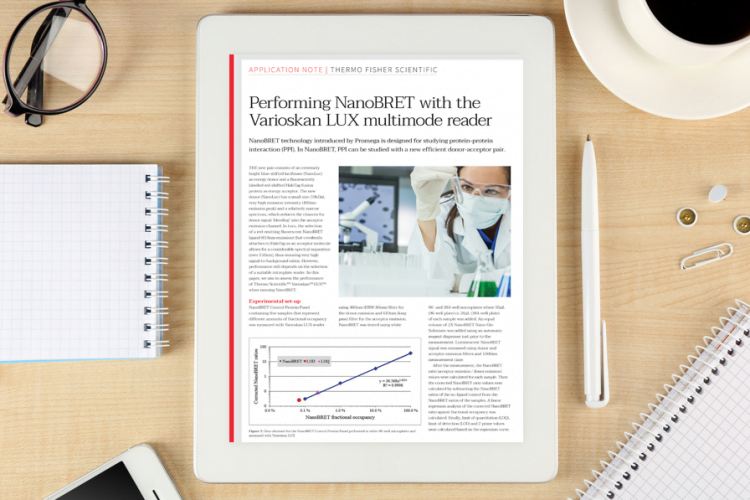
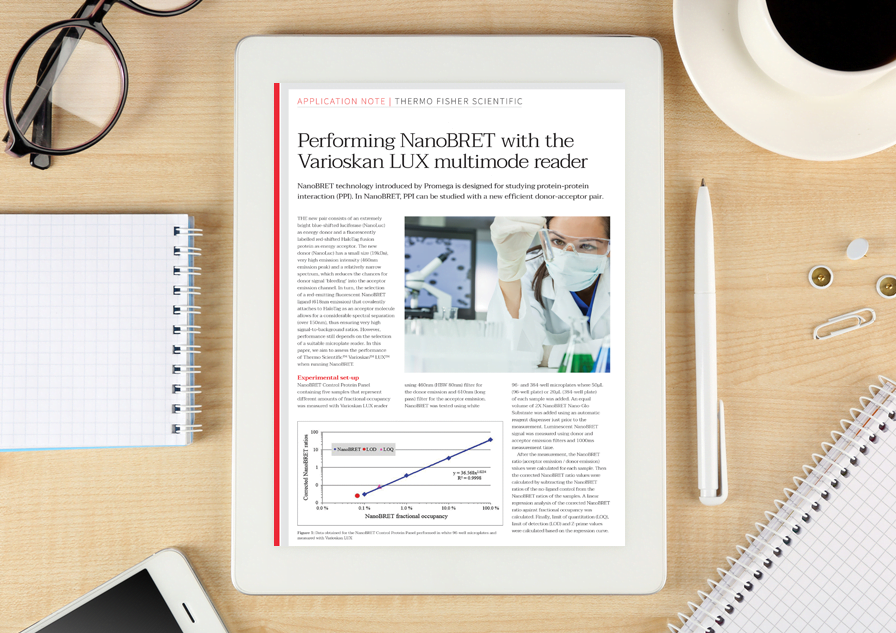
In this paper, Thermo Fisher Scientific aim to assess the performance of Thermo Scientific Varioskan LUX when running NanoBRET.
DiscoverX recently introduced the single donor-derived KILR CD16 Effector Cells to ensure assay reproducibility for screening, characterisation, and QC lot release of antibody drugs.
Progressing actives from a high-throughput screen (HTS) of a target protein into suitable starting points for lead identification is fraught with pitfalls. The volume and quality of the HTS output is a function of the quality of the screening library, as well as specific properties of both the target and…


One of the biggest challenges facing drug discovery across all therapeutic modalities (small molecule, biologics, and cellular) remains the balance between physiological relevance and throughput.
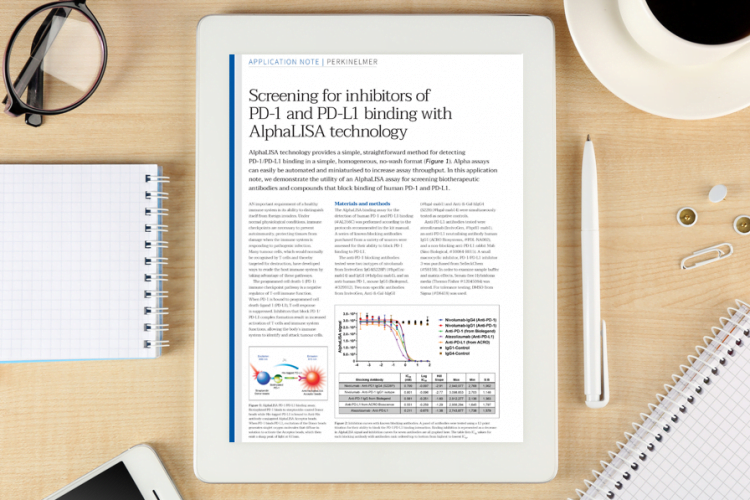
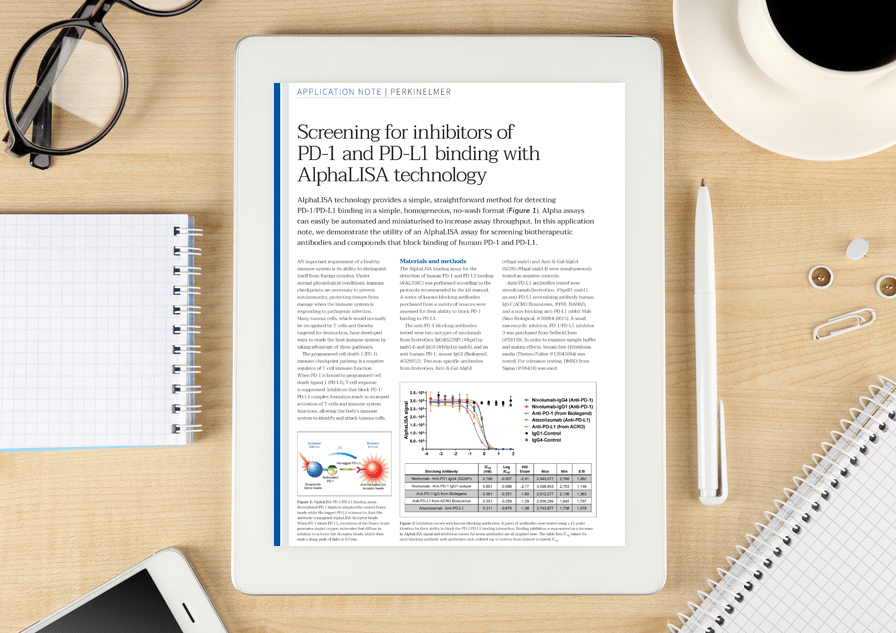
In this application note, PerkinElmer demonstrate the utility of an AlphaLISA assay for screening biotherapeutic antibodies and compounds that block binding of human PD-1 and PD-L1.

Drug discovery from concept to drug candidate has become a collective effort where multi-disciplinary project teams from CROs work with drug companies and academia to deliver clinical candidates, overcoming multi-factorial research obstacles along the way.


Declining R&D productivity is a key challenge in the pharmaceutical industry today.
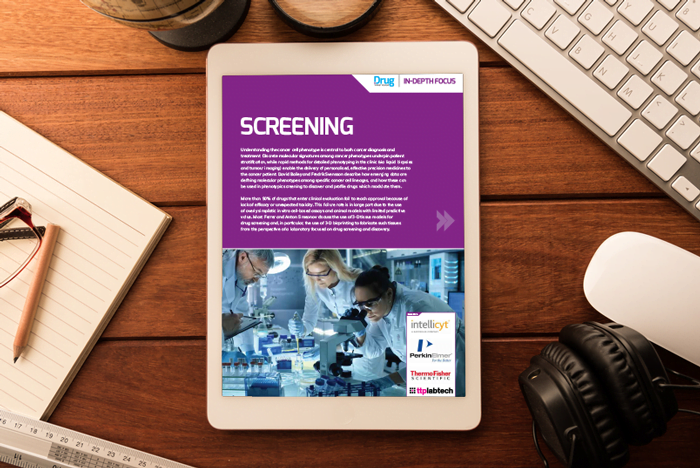
In this In-Depth Focus on Screening, we look at clinically-oriented phenotypic screening and explore how 3-D bioprinted tissues can be used as disease-in-a-dish models for drug screening.
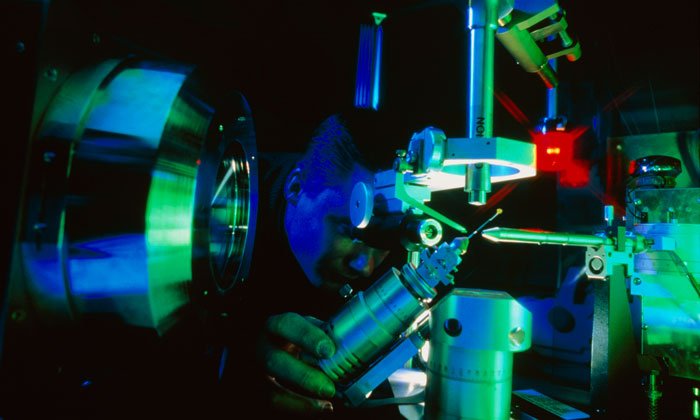
While attempting to position two chips on a microscope, an involuntary exhalation by scientist Greg Madejski caused them to adhere to great effect.
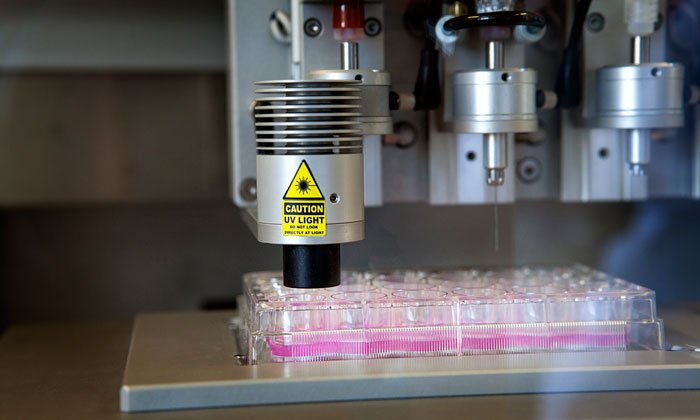
More than 90% of drugs that enter clinical evaluation fail to reach approval because of lack of efficacy or unexpected toxicity. This failure rate is in large part due to the use of overly simplistic in-vitro cell-based assays and animal models with limited predictive value...
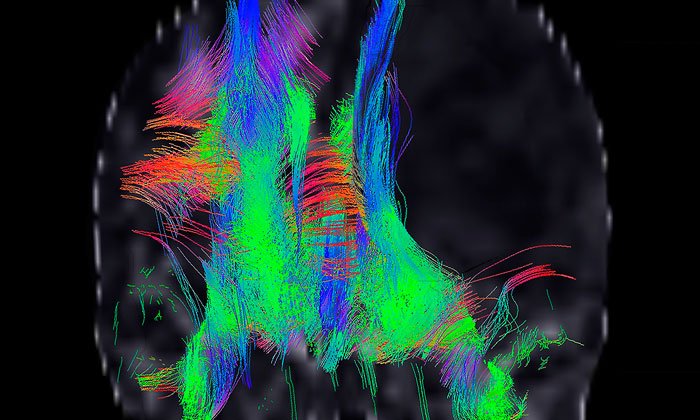
Understanding the cancer cell phenotype is central to both cancer diagnosis and treatment. Discrete molecular signatures among cancer phenotypes underpin patient stratification, while rapid methods for detailed phenotyping in the clinic (via liquid biopsies and tumour imaging) enable the delivery of personalised, effective precision medicines to the cancer patient...
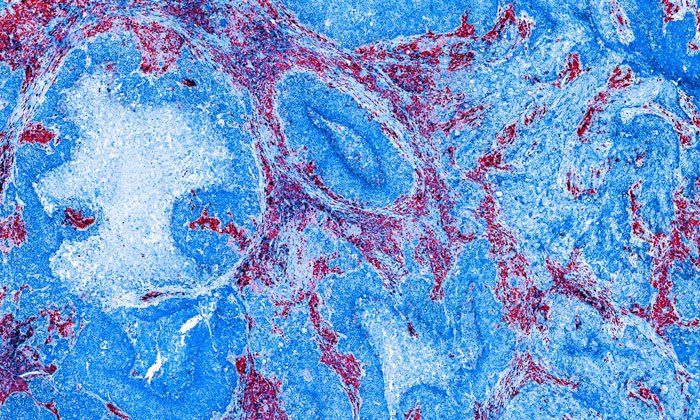
Recent study shows how a microscope using ultraviolet (UV) light to illuminate samples enables pathologists to assess high-resolution images of biopsies and other fresh tissue samples for disease, quickly and effectively.
