


news
Organoid models for personalised treatments of glioblastomas developed
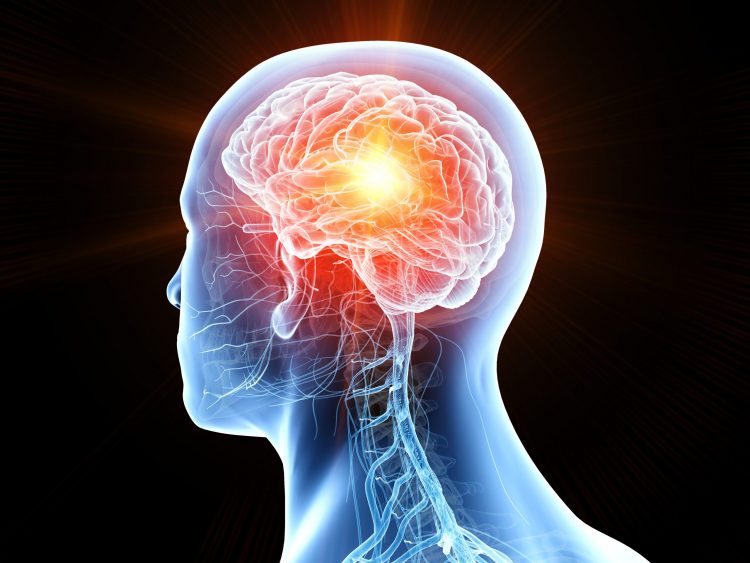
Lab-grown brain organoids from patients’ glioblastomas could be useful models to rapidly test and identify effective personalised treatments, find researchers.
List view / Grid view
Lab-grown brain organoids from patients’ glioblastomas could be useful models to rapidly test and identify effective personalised treatments, find researchers.
Researchers have developed a luciferase assay that can be used to monitor the effects of treatments on six different molecular targets at once.
Gene editing using the CRISPR system has been established as the most powerful tool in the search for new drugs and is now being exploited for therapeutic purposes. Here, Pushpanathan Muthuirulan discusses the promises and wider opportunities of using CRISPR technology to open up the possibility of large-scale screening of…

Increasing numbers of companies in the pharma industry are consolidating their services and outsourcing to CROs to reduce business costs. AstraZeneca’s Marian Preston, David Murray and Mark Wigglesworth discuss how this can not only drive innovation but also prove successful in identifying lead compounds, as evidenced through recent collaborations.
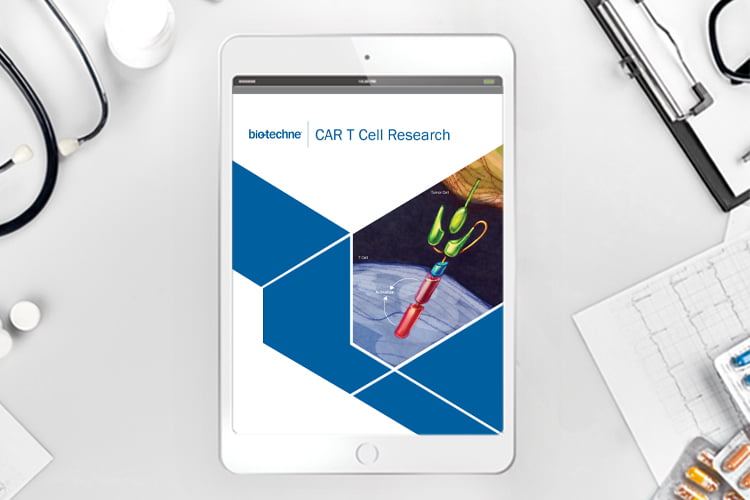
Chimeric antigen receptor (CAR) T cell transfer has had success as a treatment for leukemia and lymphoma, but solid tumors have been more challenging due to the rarity of true tumor-specific target molecules and the immunosuppressive nature of the tumor microenvironment.


Current trends in the development of therapeutic biologics suggest that engineered molecules such as bispecific antibodies and antibody-drug conjugates are the future of the industry, yet despite this, monoclonal antibody (mAb) development remains a dominant focus.


Kinase-mediated phosphorylation is a control point for nearly all activity within a cell, making kinases important in many diseases.
In this In-Depth Focus are articles investigating how CROs can help to drive innovation and how CRISPR technologies could be used for drug screening purposes.
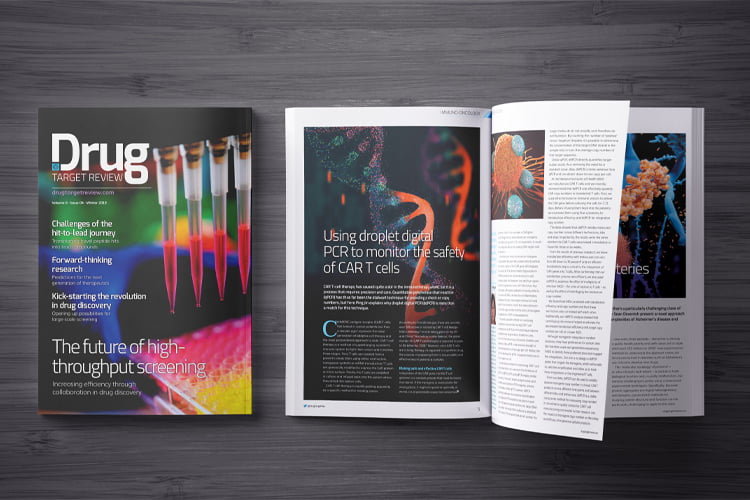
This issue includes a discussion on the future of high-throughput screening through collaboration, an analysis of mass spectrometry as a structural biology tool and an exploration of the challenges of hit-to-lead when researching tropical diseases. Also in the issue are articles on immuno-oncology and assays.

The earliest genetic root of Wilms' tumour has been discovered, which could not only lead to improved treatments but to one day being able to screen for cancers like this before tumours develop.
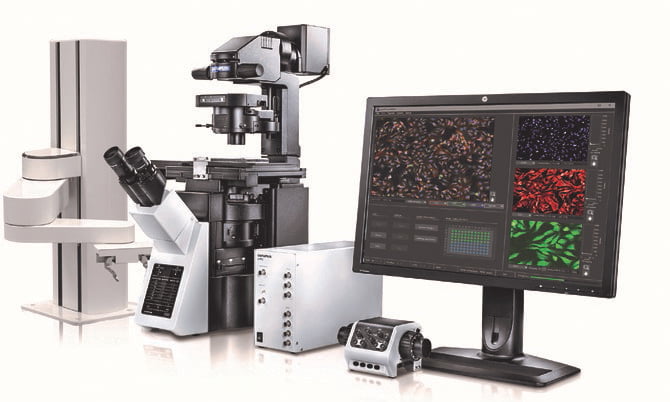
Self-learning microscopy opens new horizons in high-content analysis and advances phenotypic screening.
Researchers have created two new cellular models that can be used in the study of ocular diseases and drug testing.
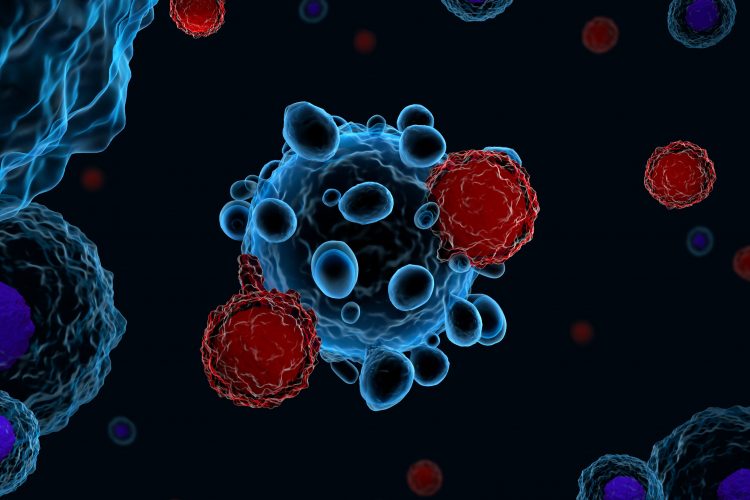
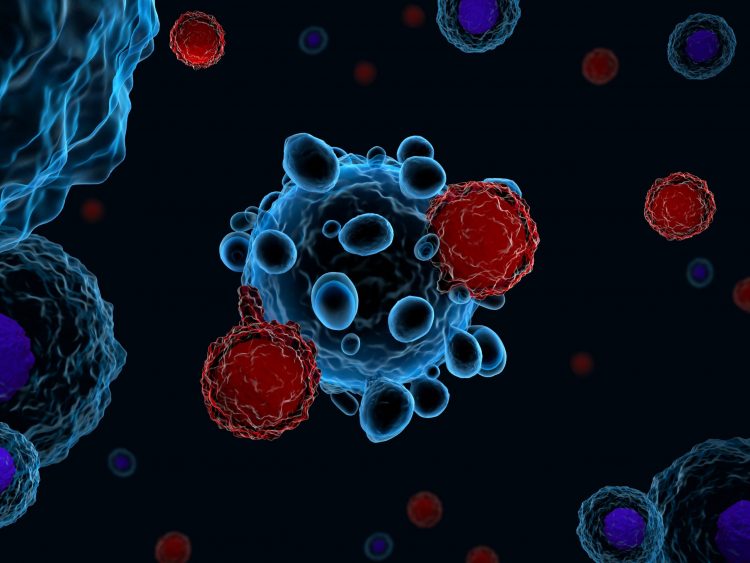
The new screening technique may enable development of novel combination-immunotherapy regimens against cancers and persistent infections.
The ICR has revealed that during drug discovery, researchers should not use general search engines and vendor catalogue information to decide on their use of chemical probes.

New research has found that the animal model market for disease research and therapeutic testing will exhibit strong growth.
