


Cellectis and MabQuest to develop new class of anti-PD-1 mAbs
Posted: 17 March 2016 | Victoria White | No comments yet
These anti-PD-1 mAbs have potential uses for multiple indications in immunotherapy, including notably treatments for a variety of cancers…
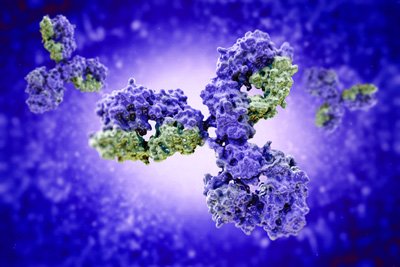
Cellectis and MabQuest have entered into a research collaboration and license agreement pertaining to the development of a new class of monoclonal antibodies targeting PD-1.
The action of these PD-1 antibodies is to promote the recovery of T-cells from exhaustion through a new mechanism of action. This new class of antibodies differs from currently approved anti-PD-1 mAbs in that they do not block the PD-1-PD-L1 interaction. These anti-PD-1 mAbs have potential uses for multiple indications in immunotherapy, including notably treatments for a variety of cancers. Cellectis says it plans to use this new class of anti-PD-1 antibodies either in combination therapy with its gene-edited UCART product candidates or single-agent or in combination with other already approved immunotherapy drugs.
In vitro studies have shown that the combination of these novel PD-1 mAbs with currently approved anti-PD-1 mAbs enhances the recovery of T-cells from exhaustion. Due to their new mechanism of action, these anti-PD-1 mAbs may be used in combination with other PD-1/PD-L1 inhibitors, such as Nivolumab and Pembrolizumab, or other checkpoints inhibitors and immunotherapy approaches for boosting the therapeutic effects of single therapy. Furthermore, this novel class of anti-PD-1 mAbs may represent an alternative and effective therapeutic intervention in those cancer patients with tumors expressing low levels of PD-L1, with respect to the currently approved anti-PD-1 mAbs. In addition, Cellectis intend to combine these PD-1 mAbs with its gene-edited UCART product candidates to enhance their activity and increase their half-life.
Drug Target Review has just announced the launch of its NEW and EXCLUSIVE report examining the evolution of AI and informatics in drug discovery and development.
In this 63 page in-depth report, experts and researchers explore the key benefits of AI and informatics processes, reveal where the challenges lie for the implementation of AI and how they see the use of these technologies streamlining workflows in the future.
Also featured are exclusive interviews with leading scientists from AstraZeneca, Auransa, PolarisQB and Chalmers University of Technology.
The agreement includes a collaboration phase funded by Cellectis whereby Cellectis and MabQuest will jointly pursue preclinical research on several candidate antibodies; and a clinical development and commercialisation phase of the best selected antibodies which will be led by Cellectis.
Cellectis would gain exclusive rights over the PD-1 antagonist
Under the agreement, MabQuest has granted an exclusive option to Cellectis. Upon exercise of the option, Cellectis would be granted worldwide exclusive rights over the family of PD-1 antagonist antibodies developed under the collaboration for all fields, and further potential derivatives of these antibodies.
Commenting on the collaboration, André Choulika, Chairman and Chief Executive Officer of Cellectis, said: “This collaboration is an important building block for our gene-edited UCART product candidates and for our immunotherapy franchise. This new partnership fits perfectly into Cellectis’ strategy of expanding our focus in the cancer immunotherapy space with our CAR T-cell based approaches.”
Dr Giuseppe Pantaleo, President of MabQuest, added: “The collaboration agreement with Cellectis is a tremendous opportunity for MabQuest to move into clinical development with this new class of anti-PD-1 mAbs. This collaboration will also boost MabQuest’s discovery program to develop additional antibody-based strategies to modulate the host immune system.”
Related topics
Antibody Discovery
