


news
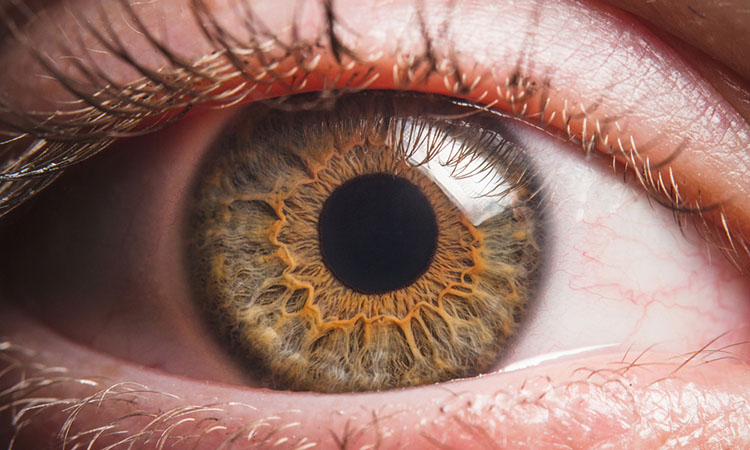
Team improves non-invasive visualisation of photoreceptors in eye
A new imaging technique for photoreceptors has been developed by selectively blocking light used to observe the eye.
List view / Grid view
A new imaging technique for photoreceptors has been developed by selectively blocking light used to observe the eye.
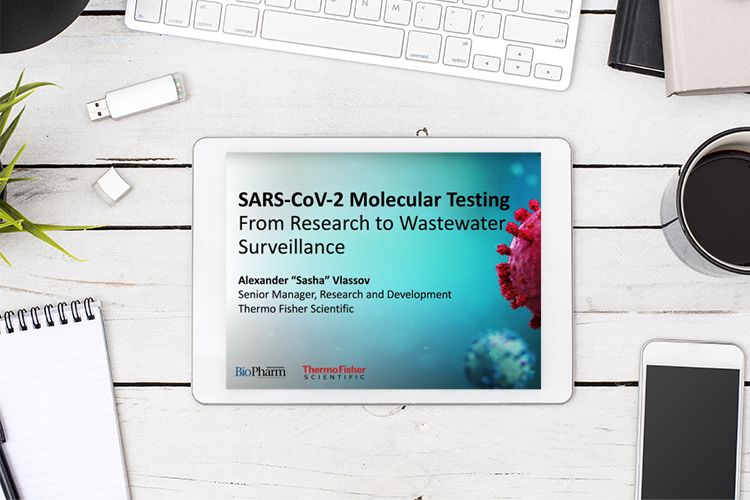
New podcast on SARS-CoV-2 molecular testing: From human sample analysis to Wastewater Surveillance.

RiboMinus Bacteria 2.0 Transcriptome Isolation Kits perform efficient transcriptome enrichment from total bacterial RNA. Improve your RNA extraction from bacteria today.
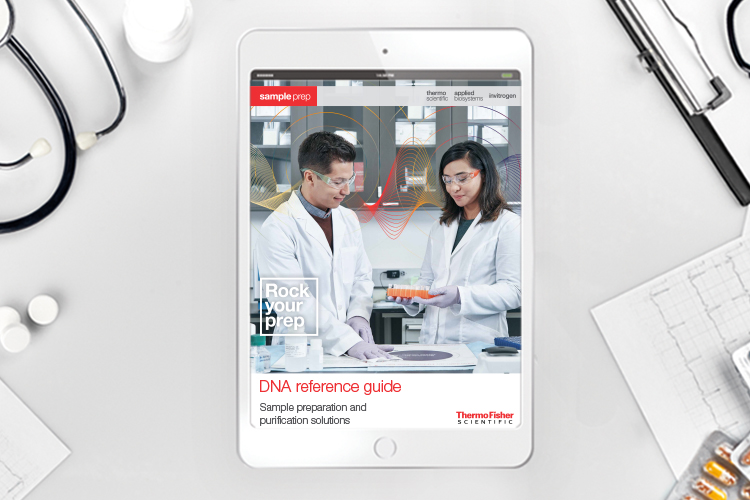
See our guide on DNA purification methods. From organic extraction through automated high-throughput runs, these research solutions make sample preparation easy.
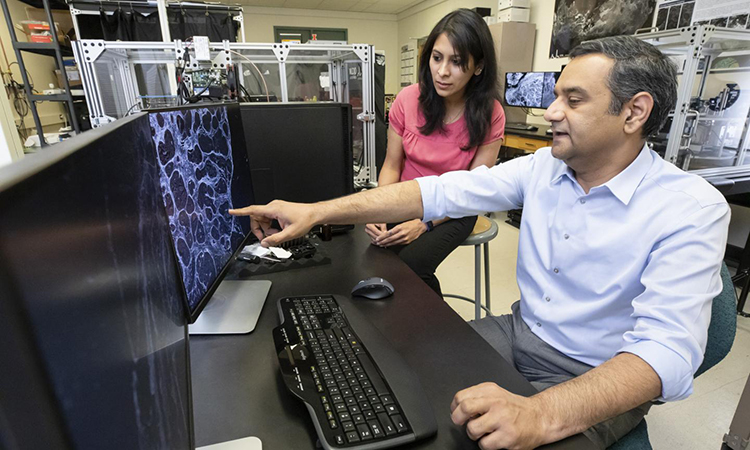
A spectroscopic microscope has been developed by researchers to gather data on biological conformations faster and more accurately.
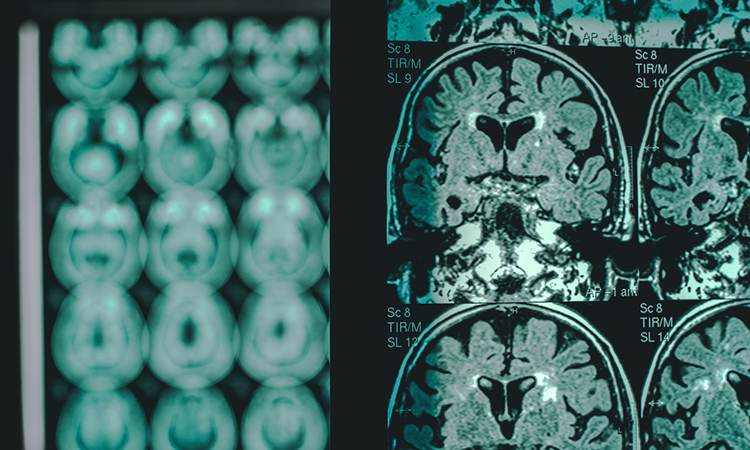
Using X-ray crystallography and cryo-electron microscopy, researchers have elucidated the structure of the SARM1 protein, a target for neurodegeneration.

A team of researchers have used microscopy techniques to monitor DNA degradation and anticancer drug release from nanostructures.

A fluorescence imaging technique has allowed scientists to observe RNA in real time using single-molecule localisation microscopy.
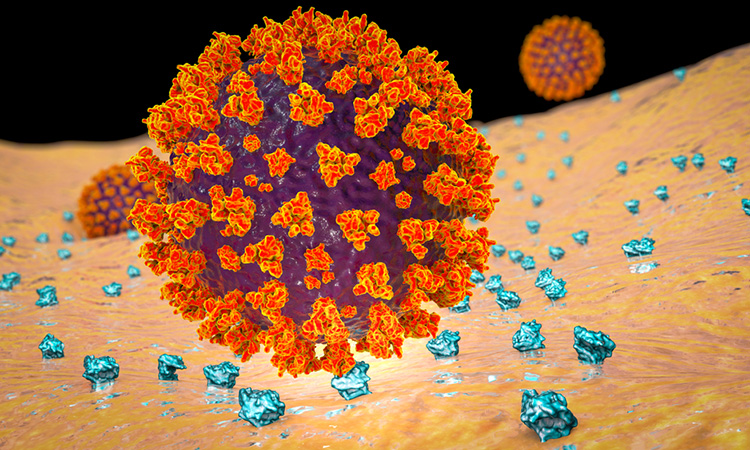
Comparing the original SARS-CoV-2 Spike protein with a mutated version, researchers have potentially revealed why the mutated version is dominant.
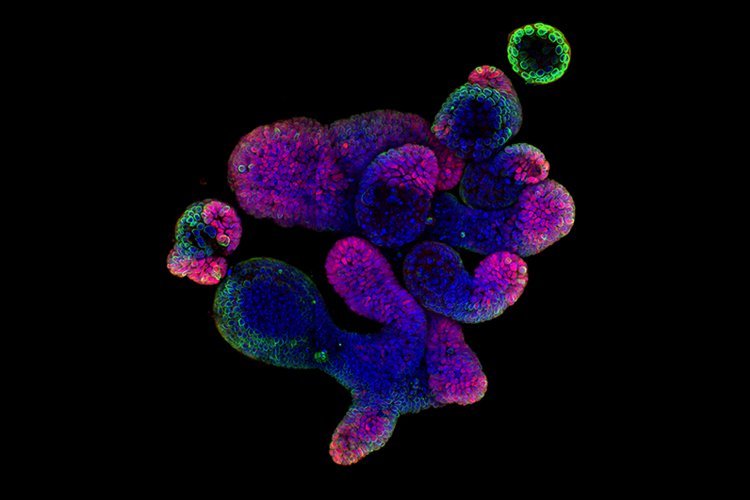
21 January 2021 | By Yokogawa Life Innovations
Watch our on-demand webinar and learn how image-based phenotypic screening relies on extraction of multivariate information from cells cultured in a large number of screened conditions. In this webinar, we explore the application of complex and biologically relevant model systems for drug screening, such as small intestinal organoids.

In this article, Drug Target Review’s Hannah Balfour discusses three of the latest developments in imaging for disease research and drug development.
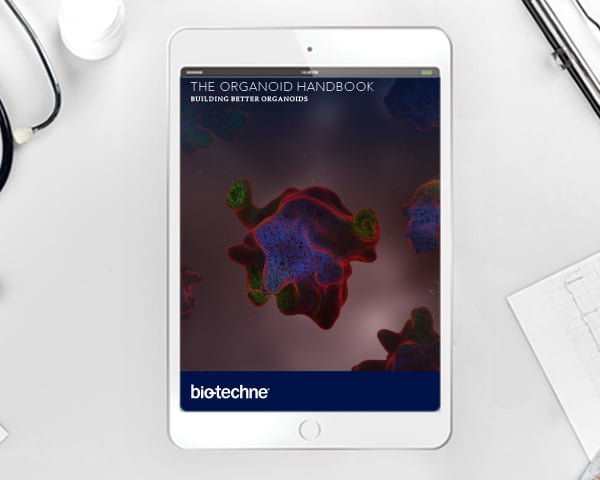
This tissue-specific handbook brings you key publications, in-house protocols and troubleshooting recommendations for your organoid cell culture.
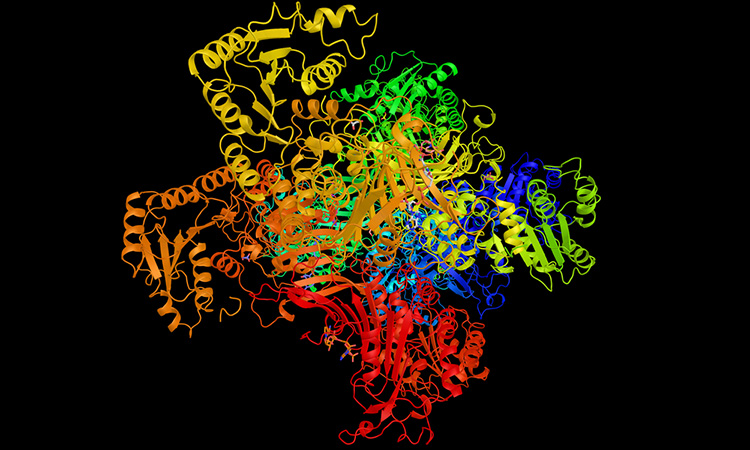
Researchers have revealed how the most severe cases of G6PD deficiency occur, which could help scientists design new drugs for the disease.
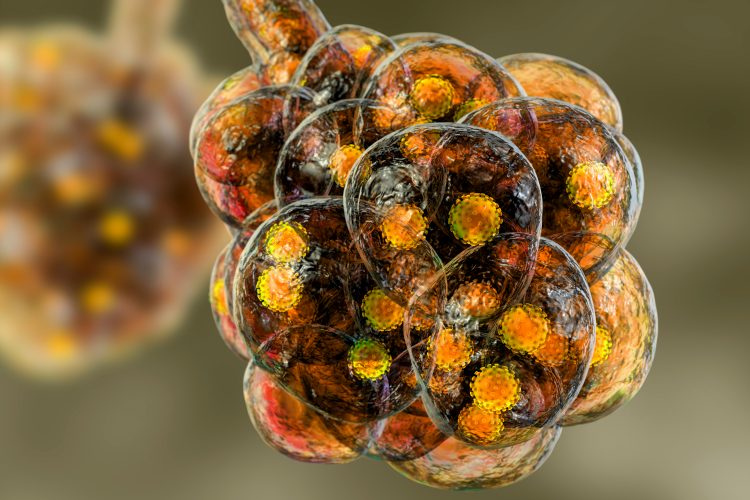
Researchers will use the in vitro model to study how respiratory viruses, like SARS-CoV-2, cause Acute Respiratory Distress Syndrome (ARDS) and develop potential interventions.
Using cryo-electron microscopy, researchers have observed the structure of a diarrhoea enteric adenovirus to see how it can survive the stomach.
