


news
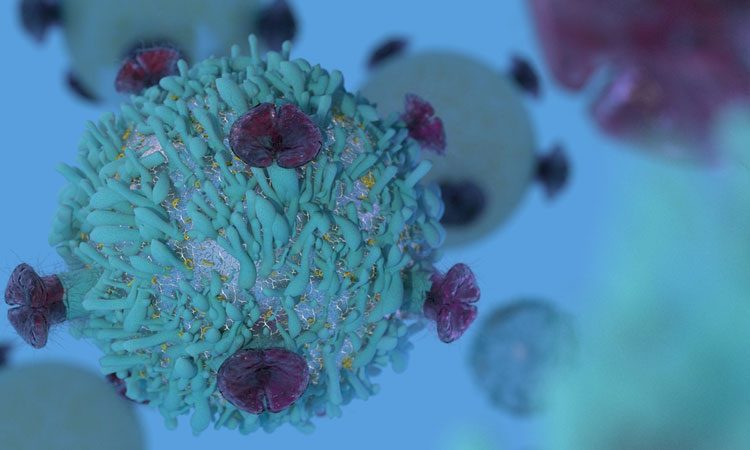
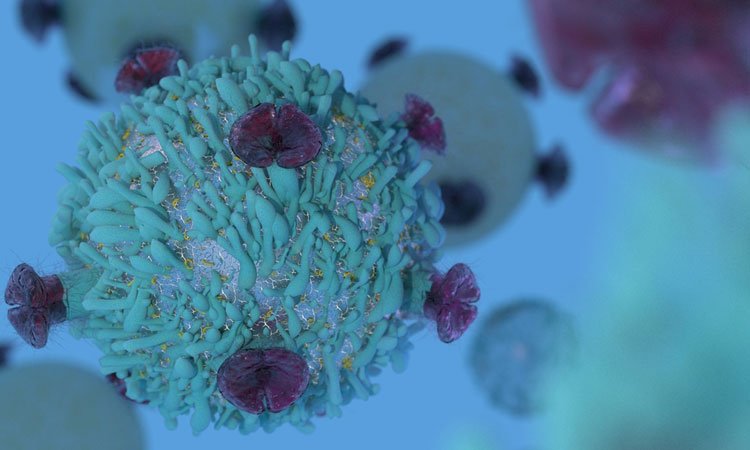
Cancer cells hide to evade immunotherapy
Cancer cells have been found to evade immunotherapy by hiding behind human leukocyte antigens, with researchers identifying therapies to prevent relapse...
List view / Grid view
A drug target is anything within a living organism to which a drug is directed and/or binds, resulting in a change in its behaviour or function.
Cancer cells have been found to evade immunotherapy by hiding behind human leukocyte antigens, with researchers identifying therapies to prevent relapse...
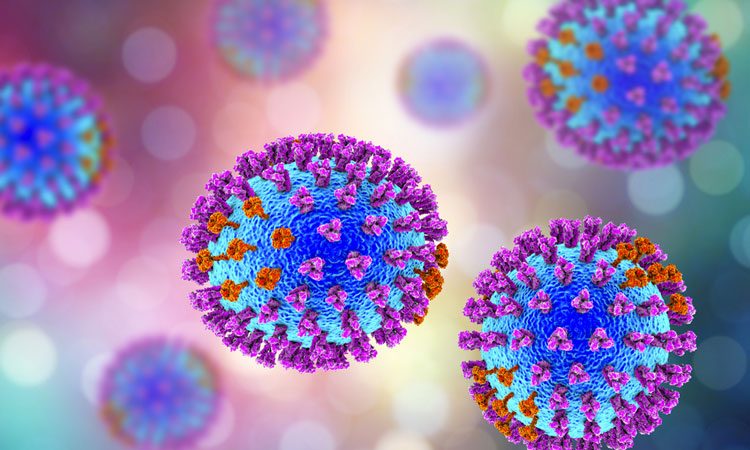
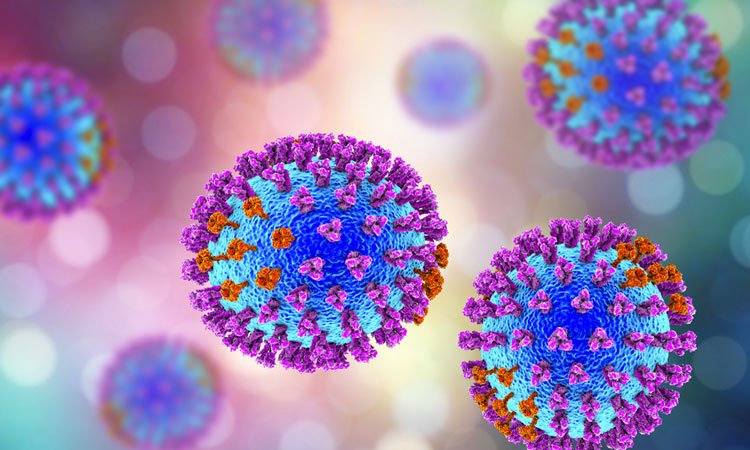
Researchers from Oxford have identified the initial steps on the path towards creating a universal influenza vaccine that could last for life...
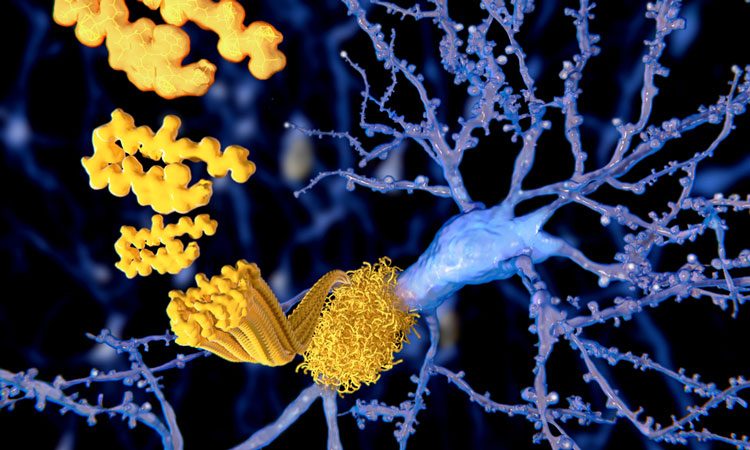
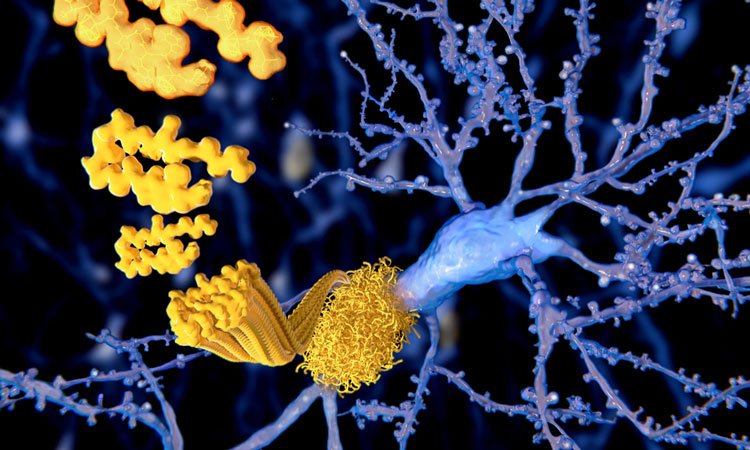
Phase III clinical trials for a drug targeting amyloid beta plaques are underway, with results expected in the next two to three years...
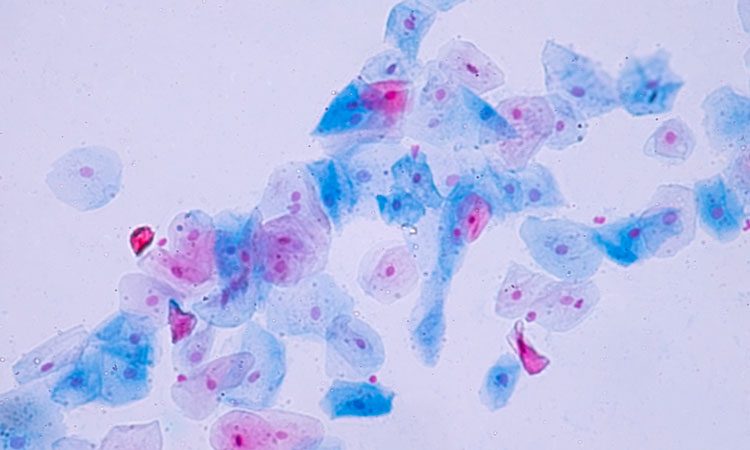
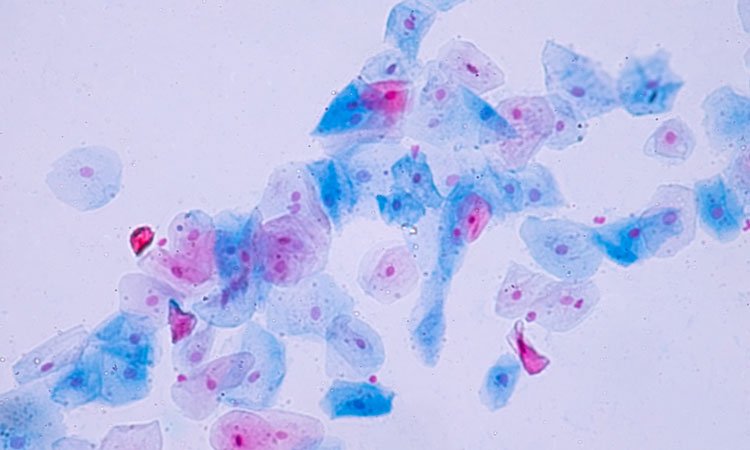
A team of researchers have identified that to target p63, both TGFB2 and RHOA tumour suppressor genes should be activated...
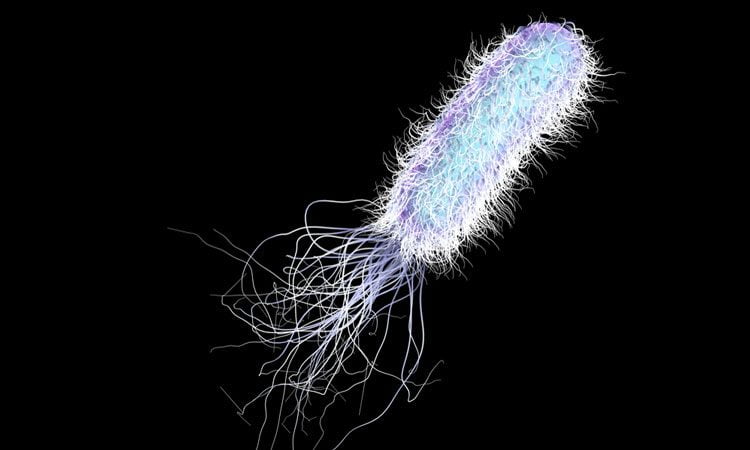
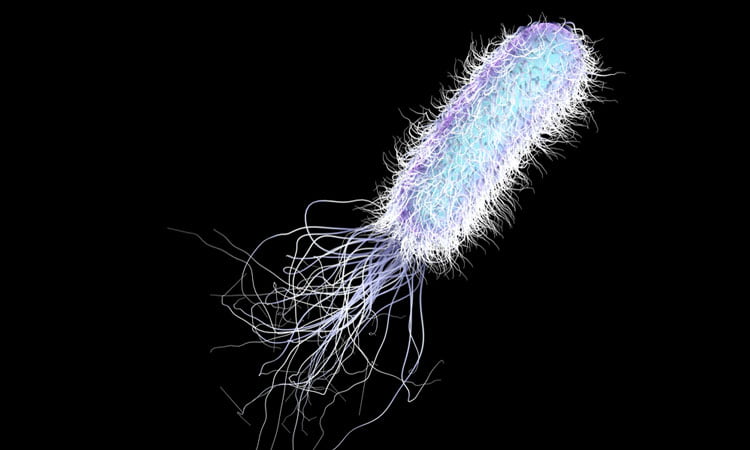
A three-dimensional structural map of bacterial toxins has been identified for the bacterium Pseudomonas aeruginosa...
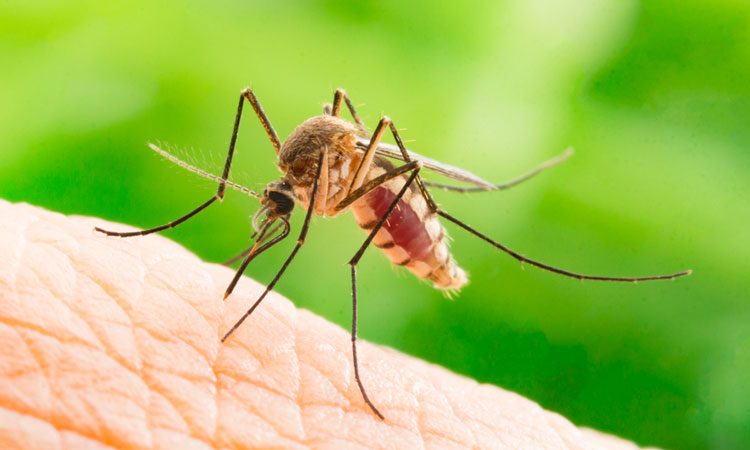
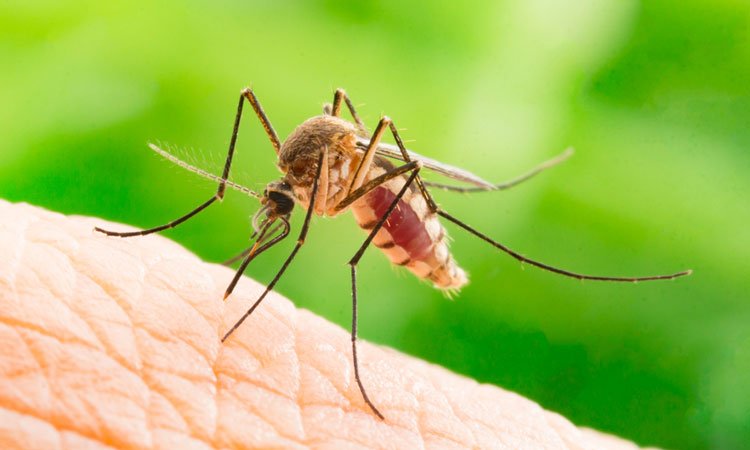
Researchers from Imperial College London have identified 6 compounds from almost 70,000 that could help to eradicate malaria...
Researchers from Copenhagen have developed a method of accurately using proteins to track the path of a drug through the body to ensure its safety...
Research has shed new light on genetic processes that may one day lead to the development of therapies that can slow, or even reverse, how our cells age...


Synthetic biology is broadly defined as the design and construction of novel artificial biological pathways, organisms or devices; or the redesign of existing natural biological systems.1 It brings together a range of disciplines and skills, from biology and chemistry to computing, bioinformatics and engineering.
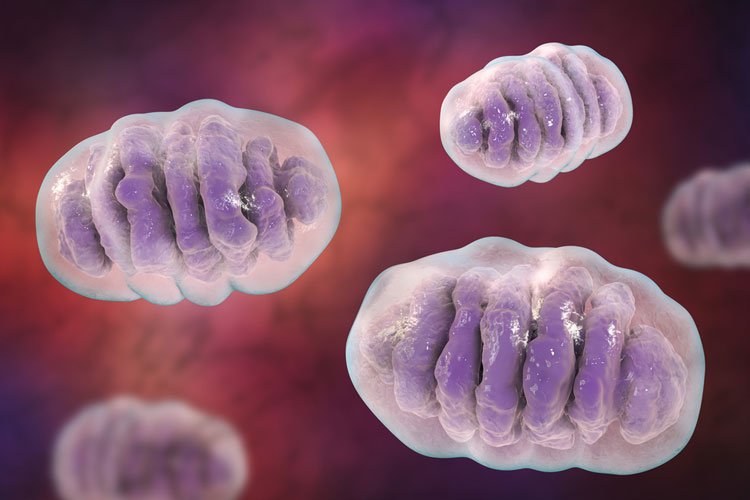
Uncovered details of a molecular pathway in cancer cells could lead to improved treatment...


Researchers have identified a protein involved in milk production that could ultimately serve as a target for novel therapies to treat breast cancer...
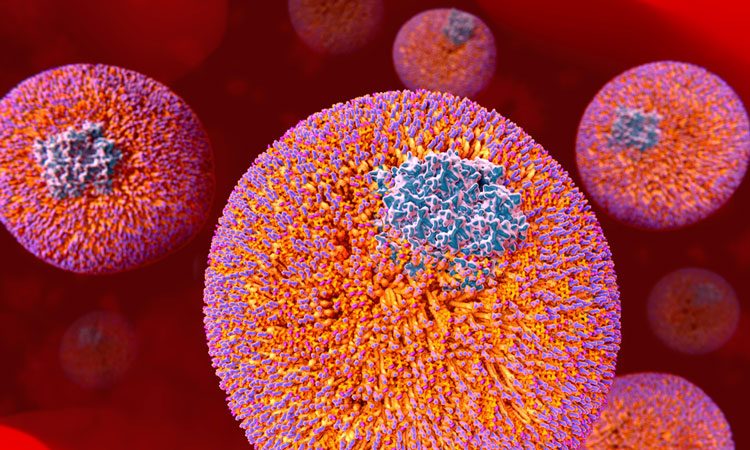
Researchers have shown that heat-shock protein 90 acts as a stimulant for exosome release, as well as a protein chaperone...
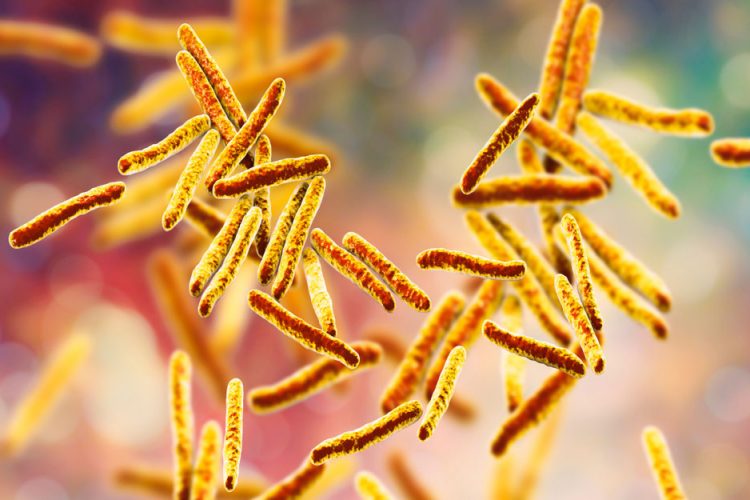
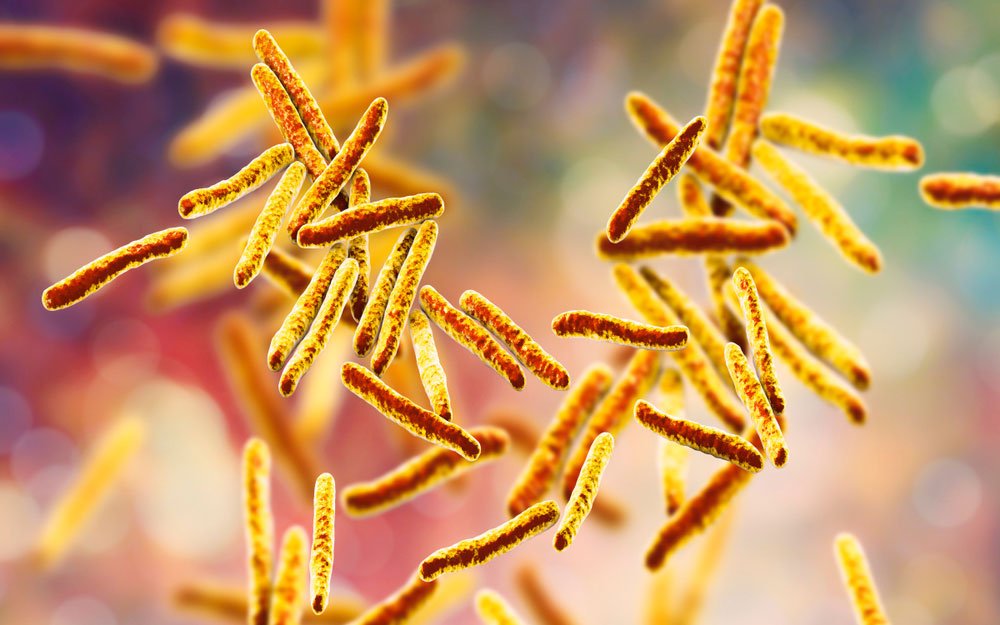
Scientists at The University of Manchester have developed the first non-antibiotic drug to successfully treat tuberculosis in animals...
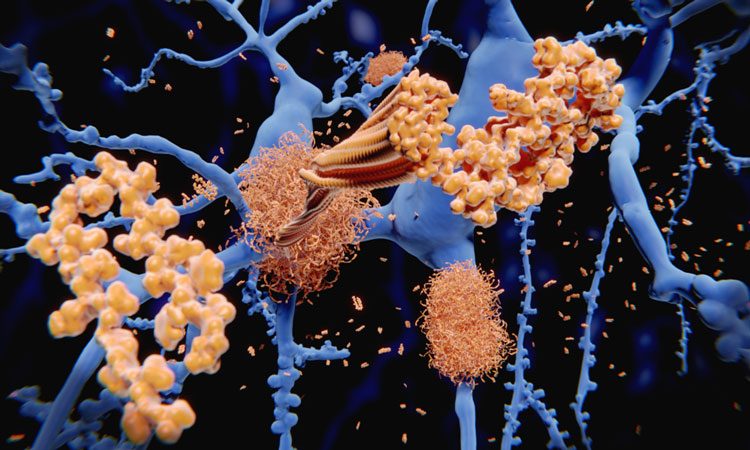
Researchers have discovered how the tau protein associated with Alzheimer's affects molecular transport and a nucleporin called Nup98...


The neutrophil nanosponges can absorb and neutralise cytokines which play a role in the development of rheumatoid arthritis...
