



news
Researchers discover potent new antimicrobial molecule
A compound that has antimicrobial properties has been found by researchers, which could be used to combat drug-resistant infections.
List view / Grid view
A drug target is anything within a living organism to which a drug is directed and/or binds, resulting in a change in its behaviour or function.
A compound that has antimicrobial properties has been found by researchers, which could be used to combat drug-resistant infections.
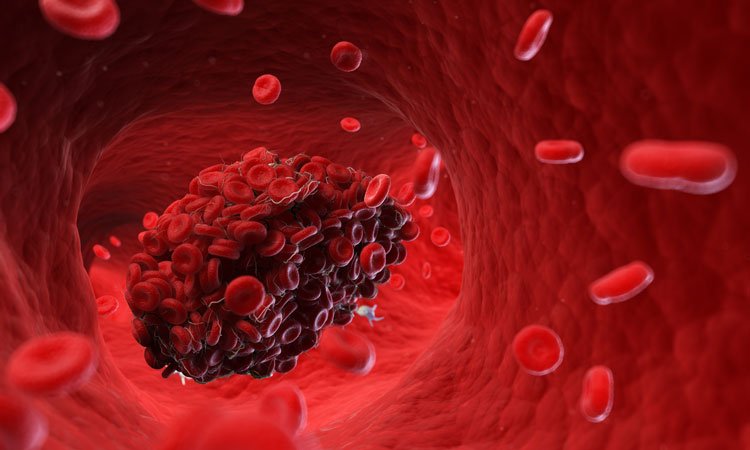
A new signalling pathway has been identified that may help further the understanding of blood clot formation in cancer patients and presents a new drug target for reducing cancer-associated complications.


Scientists have idenified that variation in a gene called Mucin 6 appears to indicate a tendency for acquiring Alzheimer’s disease.

A study has discovered that the PKM2 protein plays a role in regulating immune cells and blocking this could be a potential treatment for inflammatory diseases.
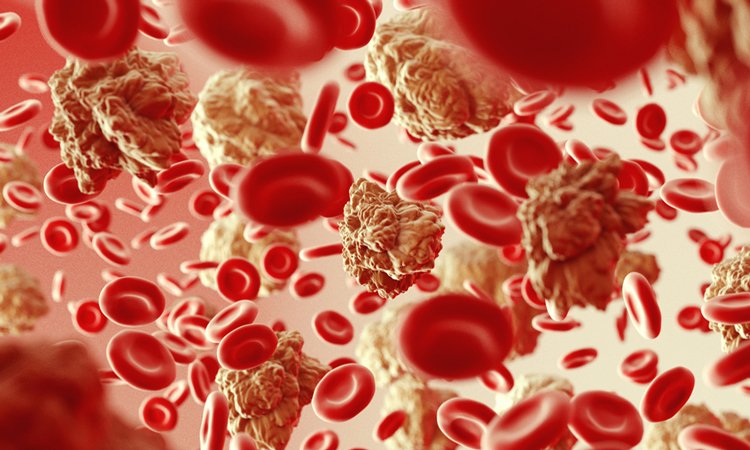
Researchers have discovered a potential new strategy for treating myelodysplastic syndrome, which has shown to be successful in pre-clinical trials.
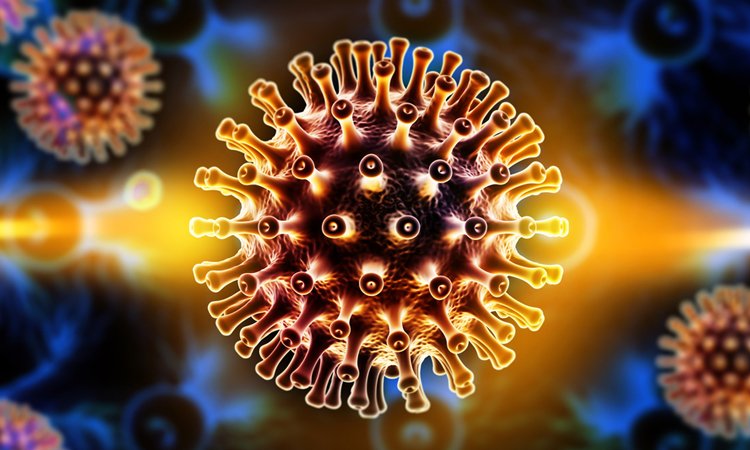
Researchers have developed a vaccine for HIV that has shown success in rabbits, by neutralising a wide range of HIV strains using bnAbs.
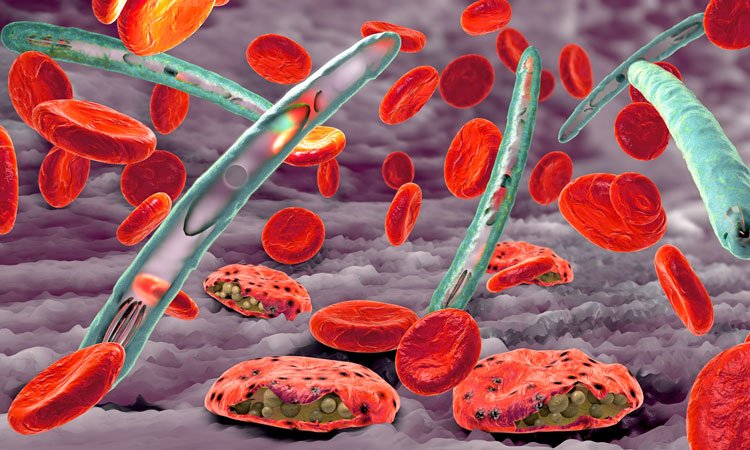
A new discovery on how the immune system responds to malaria infection could lead to better treatments for hepatitis C, HIV and lupus.

On 5-6 November, ACC Liverpool hosted the ELRIG Drug Discovery event, which allowed R&D professionals to come together and discuss the latest industry developments.
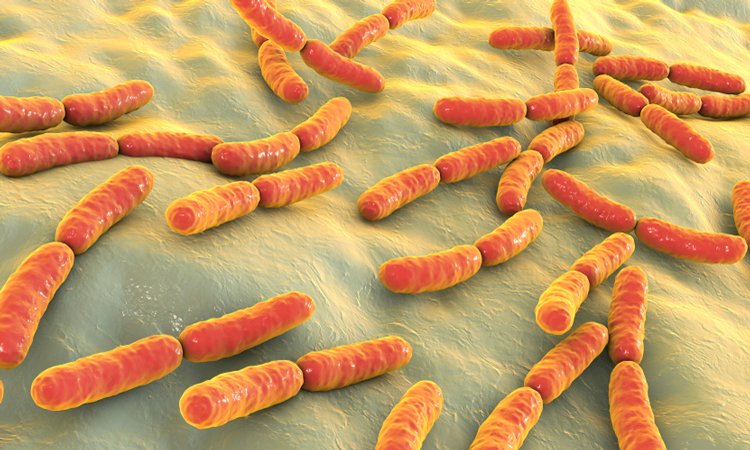
A team of researchers has uncovered the structure of a T-box regulatory mechanism in bacteria, which could aid in the development of novel antibiotics.

A new phenomenon in the brain that could explain the development of early stages of neurodegeneration has been discovered which could lead to a future target for drug therapies for ALS.

A recent study has shown that transplanting new inhibitory neurons may repair damaged brain circuits.

A study has revealed a new antibody that reverses the effects of pulmonary arterial hypertension in rodents and cell models.
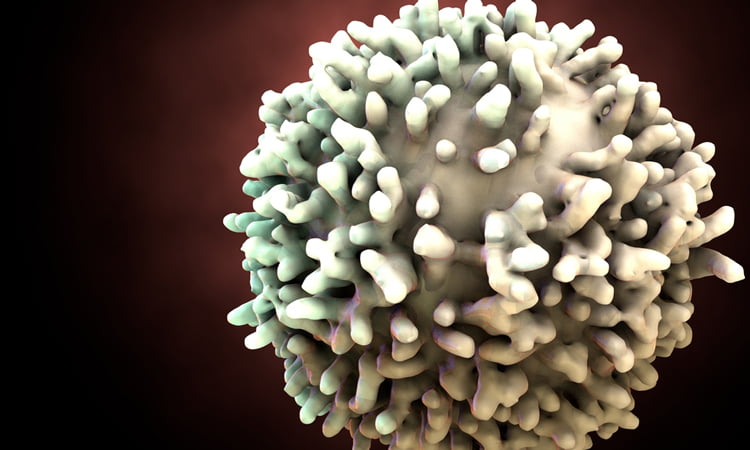
A study has shown that a group of cells called adipose B cells can become dysfunctional with age, causing metabolic conditions such as diabetes, which has provided a drug target.
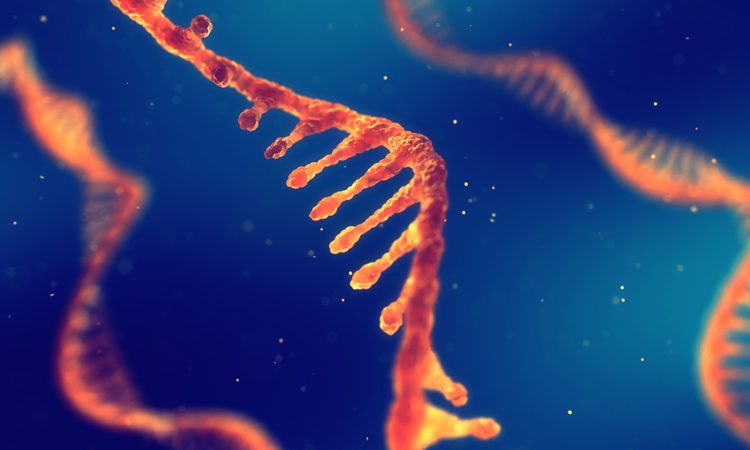
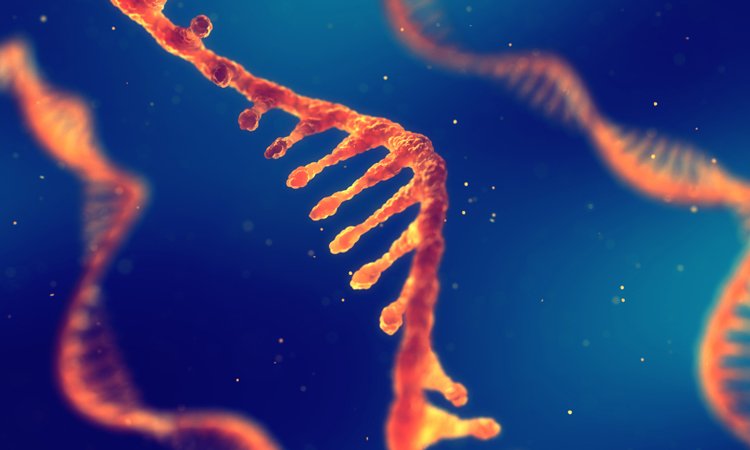
A study has revealed the structure of an enzyme that promotes cancer growth by mutating RNA, which could be used in the development of cancer treatments.


A study has revealed an enzyme in bacteria that produces a molecule which is toxic to other bacteria and shows promise as an antibiotic substitute.
