



news
Immunoassay developed to detect small molecules
An immunoassay developed to analyse small molecules has shown 50 times greater accuracy than current systems of analytical techniques...
List view / Grid view
In the fields of medicine, biotechnology and pharmacology, drug discovery is the process by which new candidate medications are discovered.
An immunoassay developed to analyse small molecules has shown 50 times greater accuracy than current systems of analytical techniques...


The basic premise of drug discovery screening necessitates that the biological assays upon which it depends can be performed in a reproducible manner. In addition, the techniques employed must generate results that are biologically relevant and actionable.
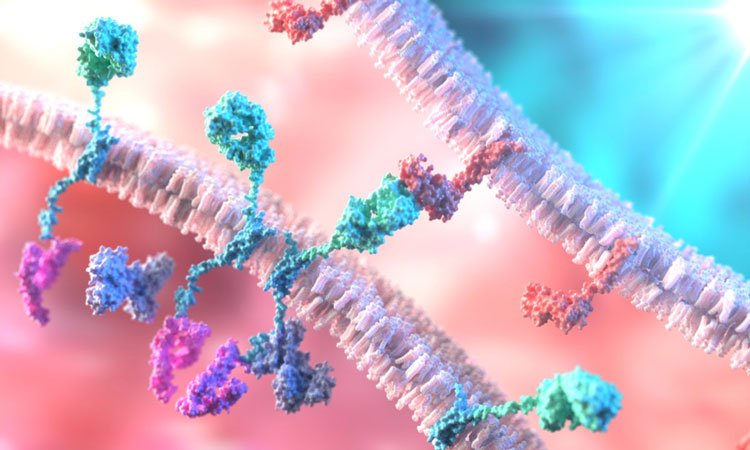
Frizzled receptors, from the GPCR family, could soon be a target to treat numerous diseases such as cancer, fibrosis and CVD...
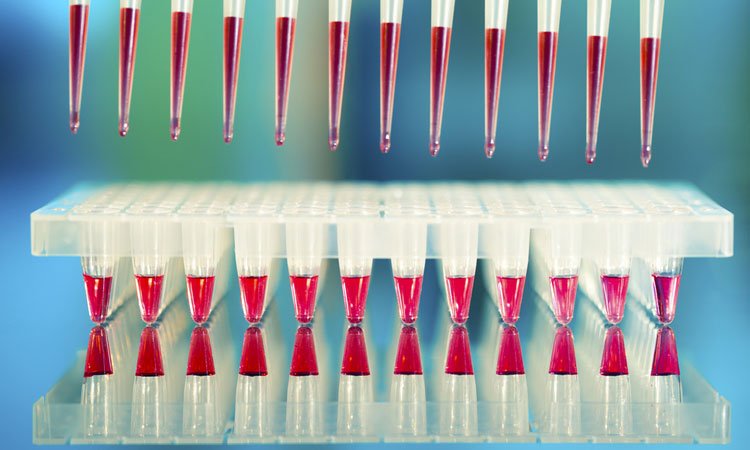
High-throughput screening (HTS) technologies have enabled the routine testing of millions of compounds towards the identification of novel ‘hit’ molecules for therapeutic targets. Oftentimes in this drug discovery process, however, compounds that show promising activity in primary screens show no activity during subsequent hit qualification or progression efforts.


Researchers are always looking more effective and efficient ways of making their work more successful. In this supplement, some of our commercial partners share their data, detailing the application of their technology.

Data integrity and computerised system validations (CSV) have become an area of increased scrutiny for regulatory agencies over the last several years. Understanding how the agencies view data integrity is critical for laboratories to maintain complete compliance.
Researchers have developed nanoscale 'tweezers' used to investigate single living cells, which could help to identify why healthy cells become diseased...

Inefficiencies in drug discovery are hard to ignore when despite ever-increasing investment in pharmaceutical research and development, the number of new drugs approved by the US Food and Drug Administration (FDA) remains low.
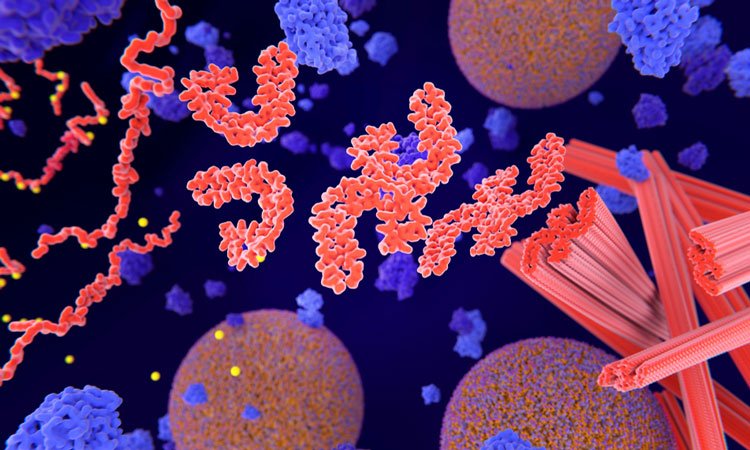
Nanoscientists have identified genes that link to dementia, in the hope that future therapies could target these genes for positive results in patients...
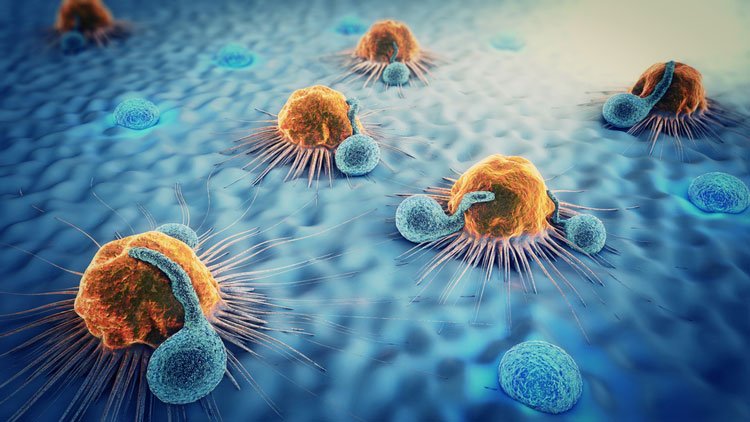
Despite being one of the more ancient aspects of immunity, therapeutic modulation of the innate immune system has rarely been attempted. Innate immunity is intrinsically linked to the generation of inflammation – necessary for signalling to the adaptive immune system but often self-perpetuating and over-exaggerated, leading to deleterious effects, including…
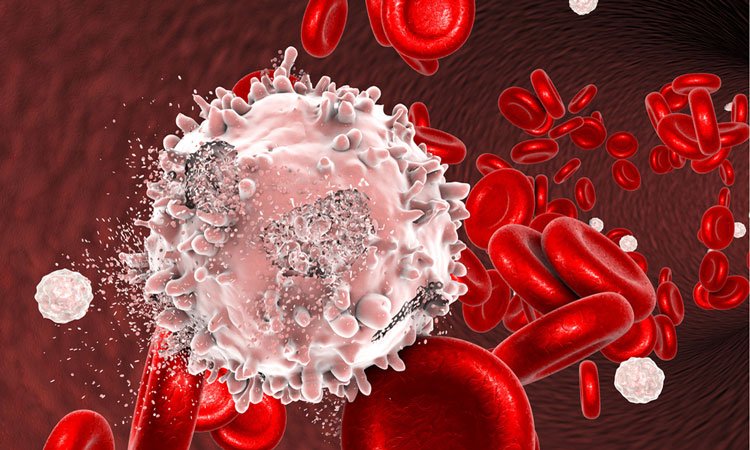
ZFP64, an inconspicuous MLL fusion protein was found to be neccessary for the production of MLL proteins, and could be targeted to inprove outcomes of MLL...
Over the last five years drug discovery has undergone a rapid evolution from a closed and proprietary endeavour to an open and collaborative process. Large and small pharma now openly collaborate with each other and the wider academic world to leverage their collective depth of knowledge to increase the chances…
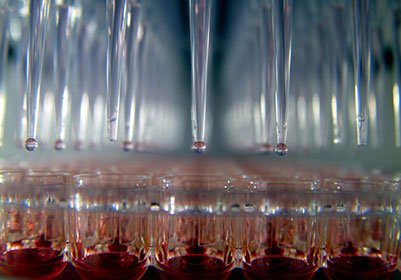
Many drugs fail in clinical trials due to toxicity-related issues; therefore, drug-mediated cellular toxicity should be determined at an early stage in the drug discovery value chain. There are many assay systems that can be utilised to measure cellular toxicity. In this article we demonstrate that intracellular ATP concentrations are…
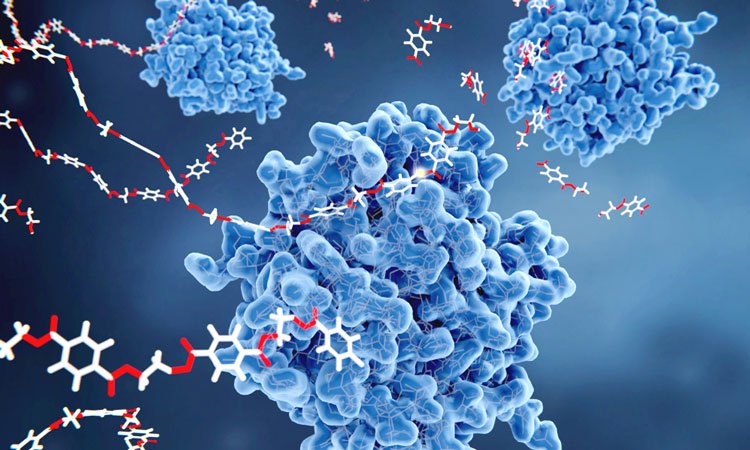
Manchester University researchers have developed a high-throughput platform to analyse and study a family of enzymes that are linked to cancer...
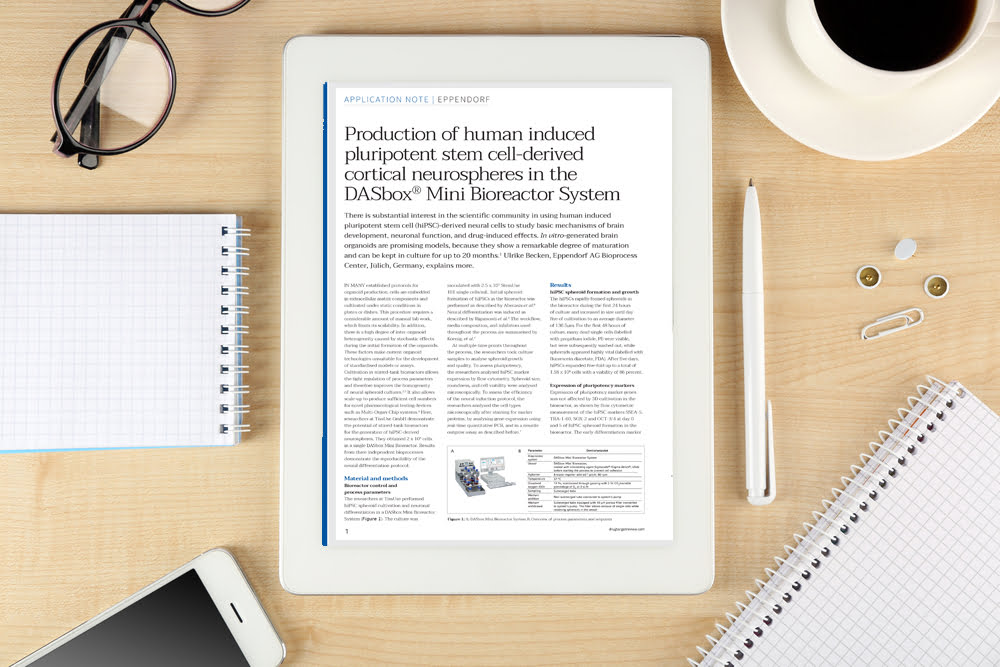
There is substantial interest in the scientific community in using human induced pluripotent stem cell (hiPSC)-derived neural cells to study basic mechanisms of brain development, neuronal function, and drug-induced effects. In vitro-generated brain organoids are promising models, because they show a remarkable degree of maturation and can be kept in…
