


Scientists unveil virtual reality tool for COVID-19 drug development
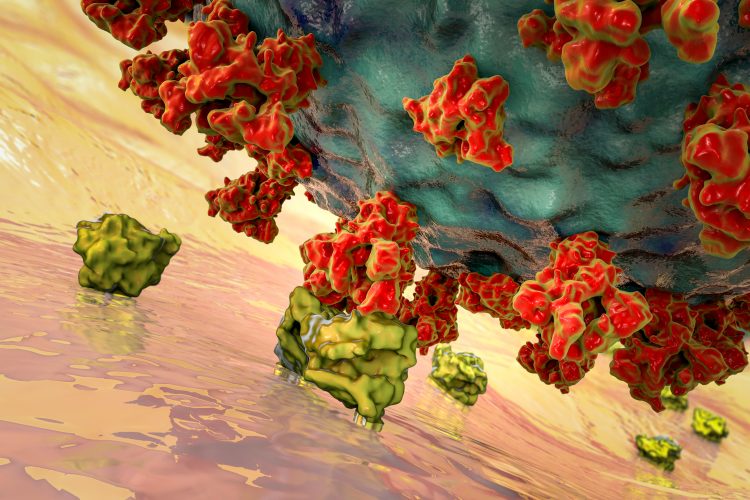
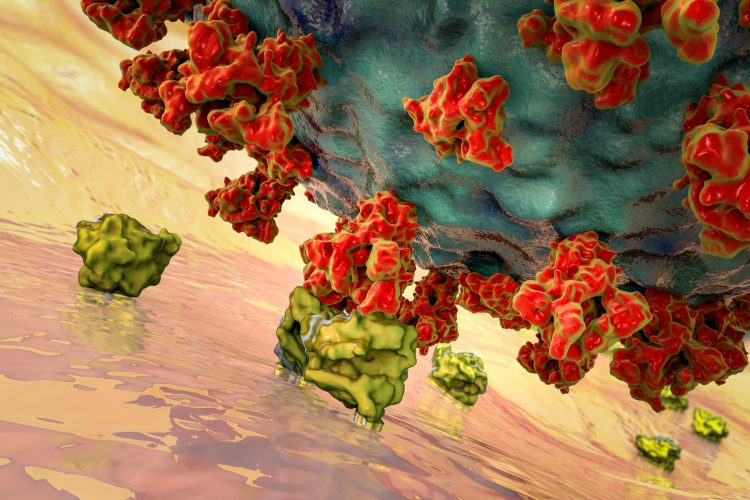
The tool uses interactive molecular dynamics simulations in virtual reality (iMD-VR) to allow researchers to step inside SARS-CoV-2 enzymes and visualise molecules binding to them.

List view / Grid view
The tool uses interactive molecular dynamics simulations in virtual reality (iMD-VR) to allow researchers to step inside SARS-CoV-2 enzymes and visualise molecules binding to them.

Reports suggest the market growth is driven by advances in biotechnology and its applications, as well as COVID-19 research.
Researchers have found bioengineering CHO cells using CRISPR-Cas9 can decrease the secretion of metabolic by-products that hinder growth.
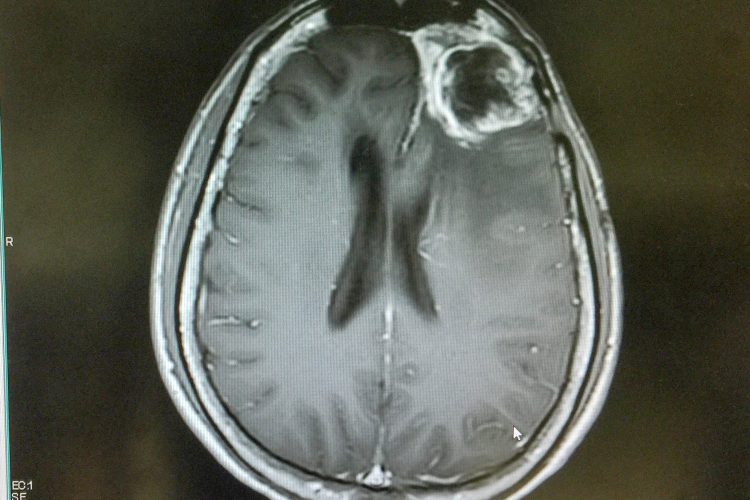
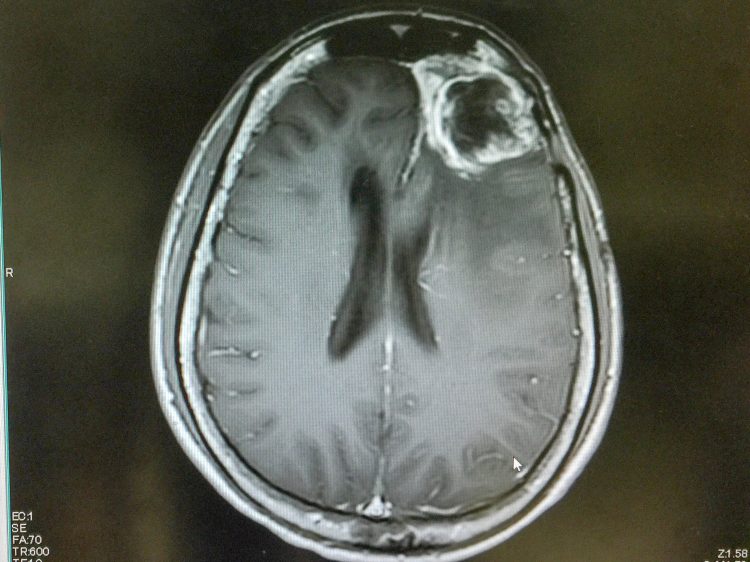
The synthetic protein nanoparticle can cross the blood-brain barrier and deliver a targeted therapeutic to glioblastoma cells, say researchers.
A new single-use, closed-system upstream bioprocess has been developed which enables the production of large number of haematopoietic stem cells and progenitor cells.
Using their de novo protein design strategy, researchers engineered human angiotensin converting enzyme 2 (hACE2) protein decoys that can protect cells from SARS-CoV-2 infection.
The Automated Recommendation Tool (ART) uses machine learning to accelerate the development of cells for specified goals, eg, bioprocessing and bioproduction.
Our full gene-to-protein workflow can support your research for rapid protein production early during drug development so you can minimize changes from R&D to bioproduction.
Altering the mastoparan-L (mast-L) peptide found in Vespula lewisii wasp venom, researchers created several novel antimicrobial molecules.
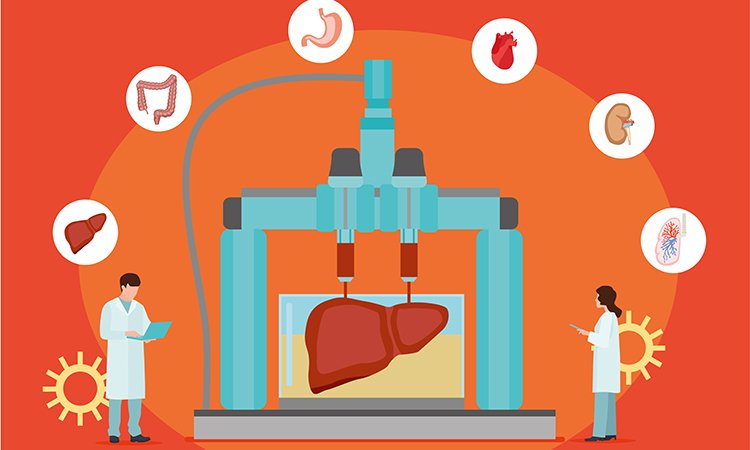
Researchers have used heat to develop a new way to bioengineer cells that grow a certain way and bioprint 3D tissues.
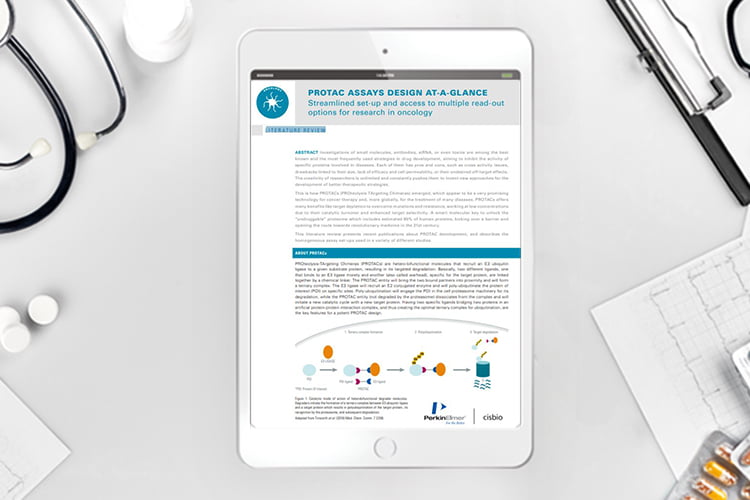
This review highlights five recent publications about homogeneous assays applied to PROTACs, a chemical knockdown approach for cancer research.
Sign up for free weekly 5-10 min videos from Horizon’s expert cell line engineers to help you improve your CRISPR editing experiments.
This webinar explains how synthetic guide RNAs are stable, eliminate cloning and sequencing steps, and avoid innate immune responses and cytotoxicity.
Horizon article on the recipe for success for CRISPR editing in T cells.
This article explains how to plan a gene-editing experiment. How to choose your biological system and what reagents to get for your experimental aim.