

Oncology treatment pipeline offers significant opportunities
Posted: 4 August 2015 | Victoria White
The oncology drug pipeline is far larger than any other therapy area with 6,484 products in active development across all indications…
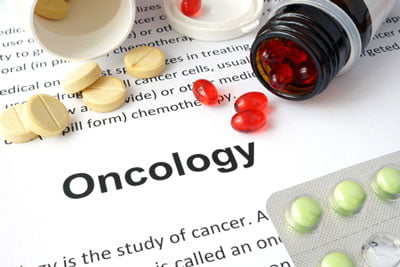
The oncology drug pipeline is far larger than any other therapy area across the pharmaceutical industry, with 6,484 products in active development across all indications, suggesting significant opportunities for new market entries, according to business intelligence provider GBI Research.
The Company’s latest report, Frontier Pharma: Versatile Innovation in Oncology – Identifying and Commercializing Versatile First-in-Class Innovation, states that of the pipeline oncology products in development, the majority are in the early stages, with 2,937, equivalent to 45% of the total pipeline, at the preclinical stage, and 1,591, or 25%, at the Discovery stage.
Dominic Trewartha, Managing Analyst for GBI Research, says the oncology therapeutic pipeline is highly diverse, containing a broad array of mechanisms of action. This contrasts heavily with the market, which predominantly consists of chemotherapy, hormonal and central nervous system targets.
Drug Target Review has just announced the launch of its NEW and EXCLUSIVE report examining the evolution of AI and informatics in drug discovery and development.
In this 63 page in-depth report, experts and researchers explore the key benefits of AI and informatics processes, reveal where the challenges lie for the implementation of AI and how they see the use of these technologies streamlining workflows in the future.
Also featured are exclusive interviews with leading scientists from AstraZeneca, Auransa, PolarisQB and Chalmers University of Technology.
Trewartha commented, “Signal transduction targets, cancer antigens and receptor tyrosine kinases are the three most common categories of pipeline product across all stages of development.
“In addition, there are a large number of first-in-class products in development for oncology, with 2,084 across all stages, and 46% of pipeline products have a disclosed target. This indicates a very high level of investment in the development of innovative products in this therapy area.”
The analyst also says that a significant characteristic of the oncology treatment pipeline is the overlap between indications, with 24% of first-in-class products in development across at least two of the key types of cancer.
Breast and lung cancers have the highest levels of developmental activity
GBI Research’s report adds that within the oncology segment, cancers of the breast and lung have the highest levels of developmental activity, with a total of 913 and 804 pipeline products, respectively.
Trewartha continued, “Breast and lung cancer are characterised by very large patient populations and huge markets in terms of revenues, which are likely to have been the driving factors behind the substantial pipelines for each disease.
“Oncology remains a highly attractive therapy area for a range of reasons, including significant unmet needs, a large target patient population, high therapy costs, and a multitude of molecular targets that could confer substantial disease-modifying properties to therapeutics.”
Related topics
Oncology
Related organisations
GBI Research
