



news
Single-cell map of lung cancer sheds light on tumour development
A spatial atlas of early-stage lung cancer has been compiled at single-cell resolution, revealing new therapeutic targets.
List view / Grid view
A spatial atlas of early-stage lung cancer has been compiled at single-cell resolution, revealing new therapeutic targets.
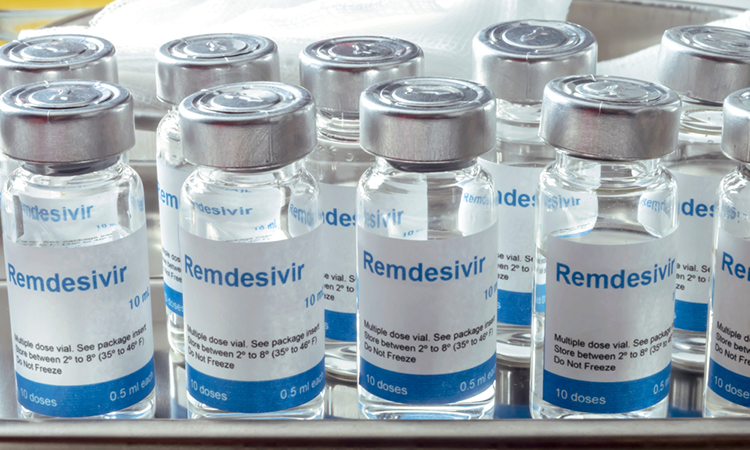
Researchers have found that a metabolite of remdesivir potentially targets a SARS-CoV-2 protein involved in suppressing the host cell's defence response.
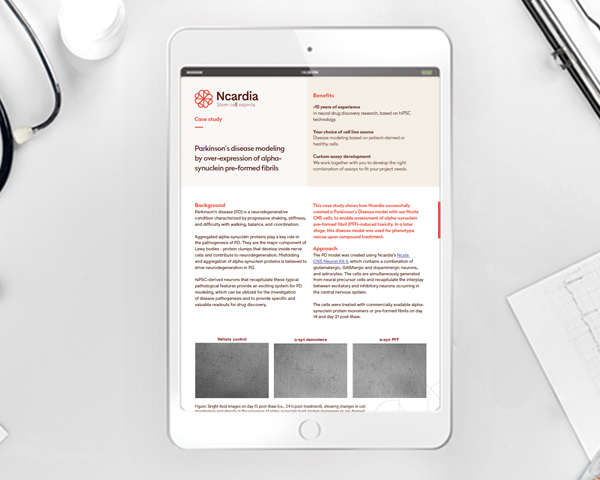
The development of a Parkinson’s disease model, using hiPSC-derived neural cells, to assess alpha-synuclein pre-formed fibril-induced toxicity.
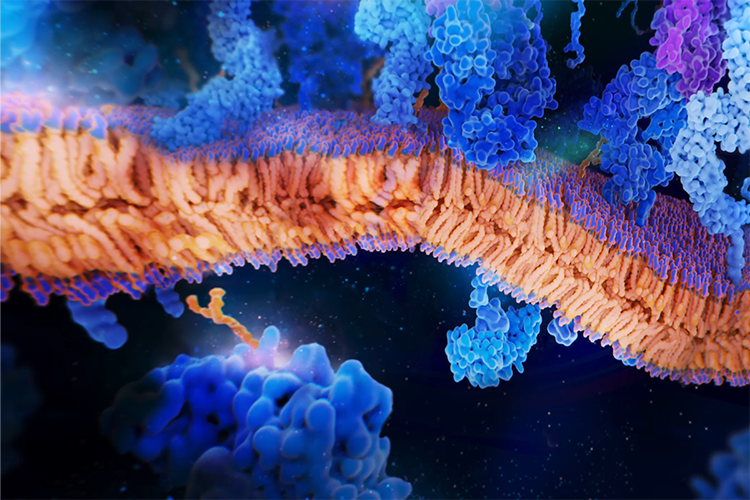
11 May 2021 | By PerkinElmer
Get the Big Picture and listen to Pharma thought leaders how they view CETSA® and its impact on their Drug Discovery.
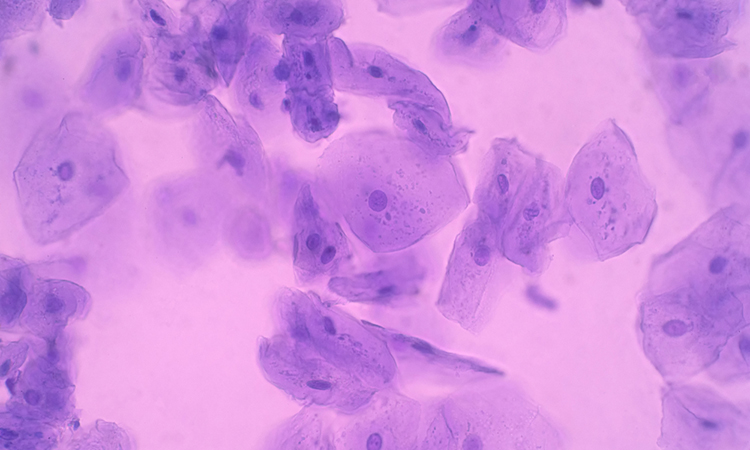
Epithelial cell communication depends on the side of the cell, which could have implications for understanding how cancer spreads.

Exosomes containing salmonella antigens were administered to the mice, enabling the models to develop antibodies against the bacteria.
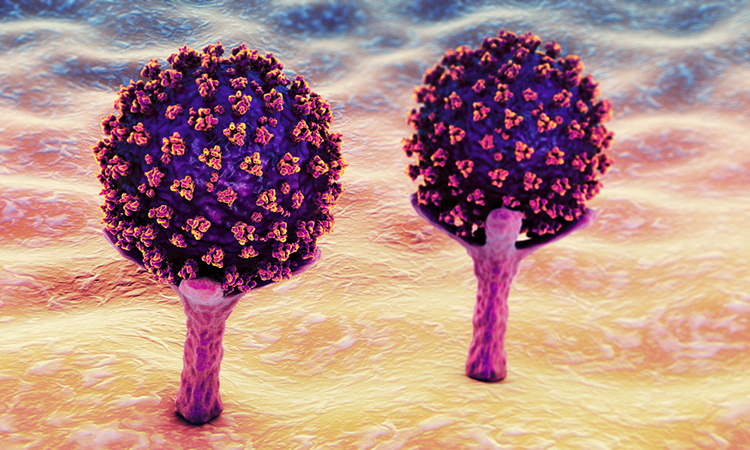
An airway-on-a-chip has been used to show that amodiaquine inhibits SARS-CoV-2 infection, making it a potential COVID-19 therapeutic.
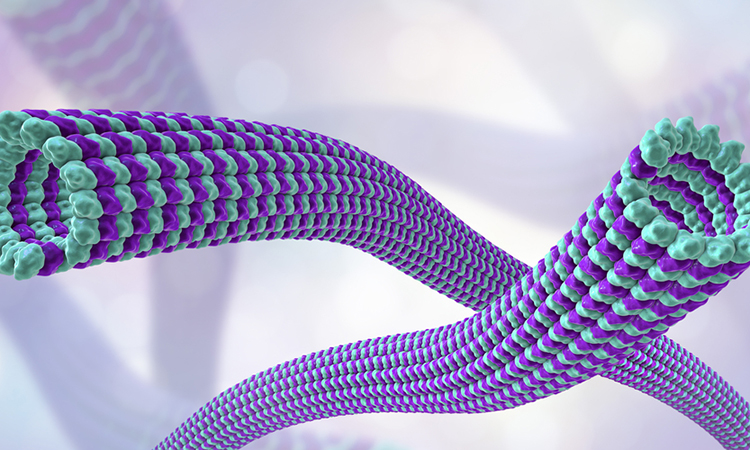
A combination of computer simulations and fragment screening have uncovered 27 molecular binding sites on tubulin, a protein of the cell cytoskeleton.
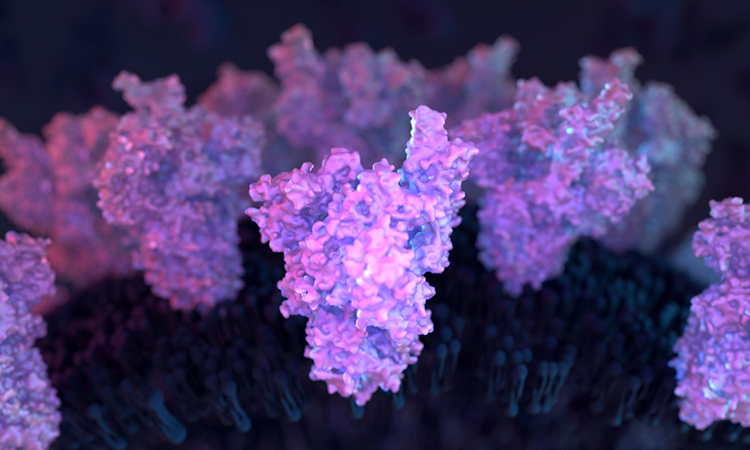
Researchers have produced a computational simulation of the SARS-CoV-2 Spike protein, finding spots that glycans do not cover.
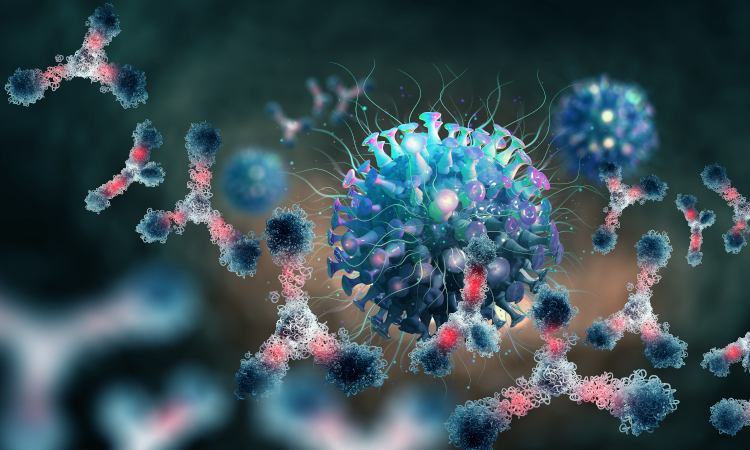
The latest ebook from Sartorius takes an in-depth look at the technologies and techniques that have been integral to developing the antibody discovery workflow, featuring a host of expert articles, interviews and application notes.
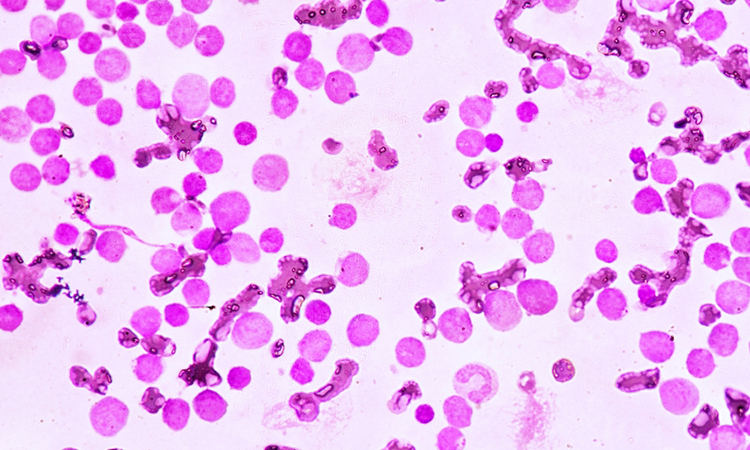
Researchers have found that the gene mesothelin can be targeted by new antibody-drug conjugates to treat acute myeloid leukaemia in children.
A new gene therapy that introduced SynCav1 to the brains of Alzheimer's mouse models was shown to preserve neuronal and synaptic plasticity.
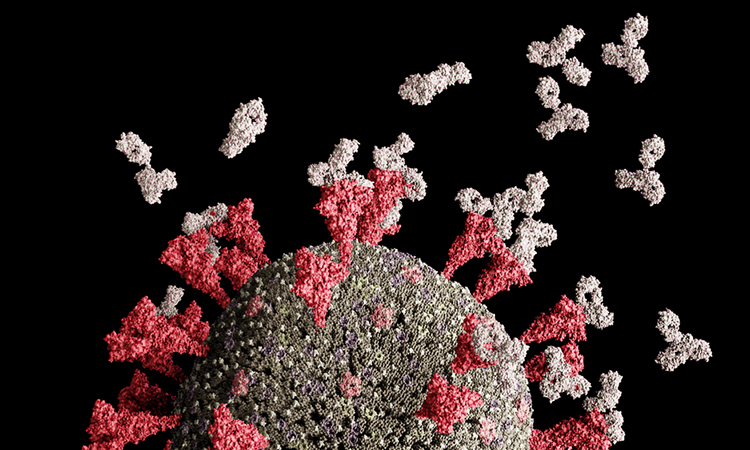
Researchers have found that over 80 percent of antibodies target sections of the SARS-CoV-2 Spike protein other than the RBD.
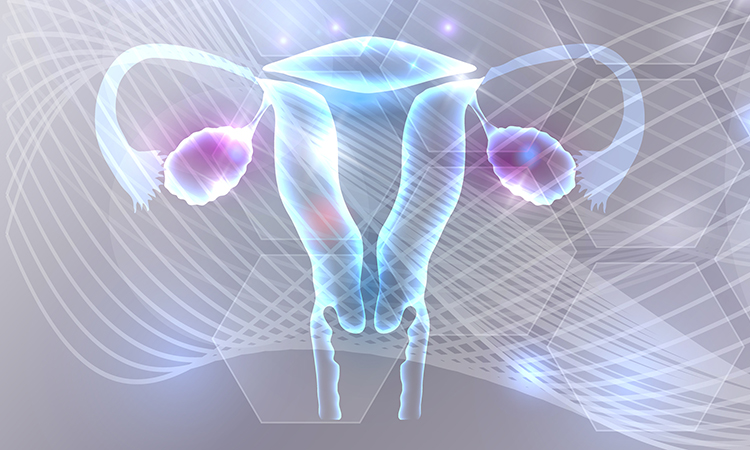
Researchers have shown how the MIS hormone can prevent ovulation in females, making it a potential new form of contraception.

Scientists have developed a 3D lung-on-a-chip model of the distal lung and alveolar structures, enabling the study of COVID-19.
