



news
Scientists identify protein drug target to potentially treat cataracts
Researchers have shown that a protein named aquaporin can disrupt optical development, leading to cataract formation.
List view / Grid view
Researchers have shown that a protein named aquaporin can disrupt optical development, leading to cataract formation.
Combining two genomic methodologies, researchers have shown that pancreatic exocrine cells are implicated in type 1 diabetes.

Dr Sotirios Karathanasis discusses the history of cannabis as a treatment and delves into the process of turning plant-based medicines into clinically proven drugs.

Scientists have created an antiviral therapy using lipid nanoparticles that deliver siRNA to the lungs to treat COVID-19 in mice.
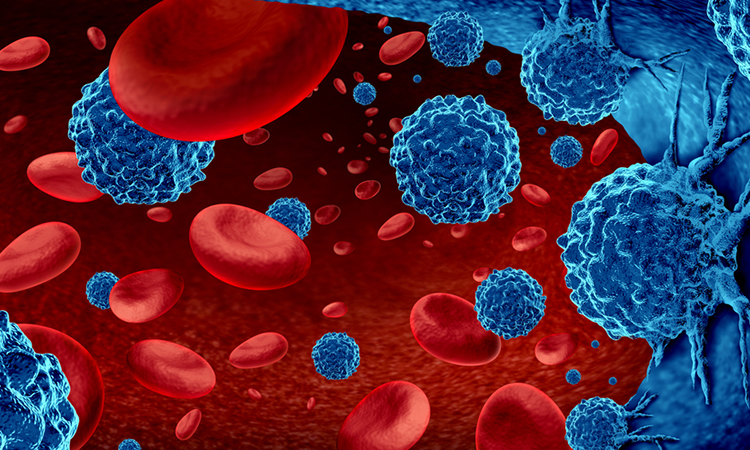
Having identified the histone demethylase KDM5A as a multiple myeloma target, researchers developed a KDM5 inhibitor to treat the cancer.

A new conjugate vaccine has shown promise at protecting mice against the effects of cytokines associated with asthma.

A team has shown that the NapA protein, associated with Lyme disease, attracts inflammatory molecules in the body.
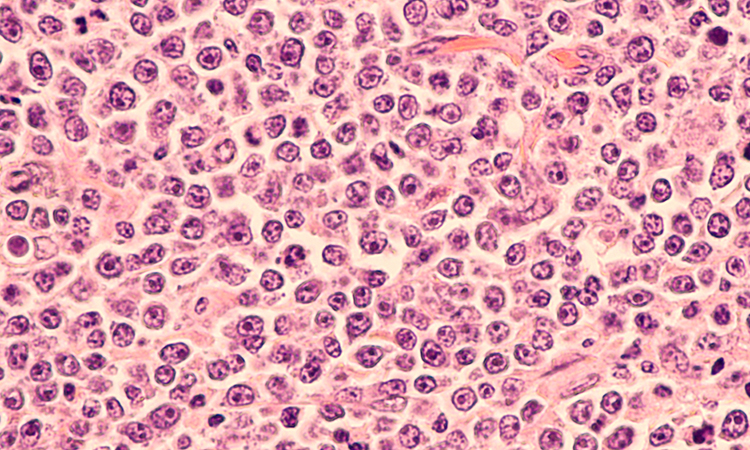
In pre-clinical studies, researchers showed that cord blood-derived natural killer cells and a bispecific antibody eliminated lymphoma cells.
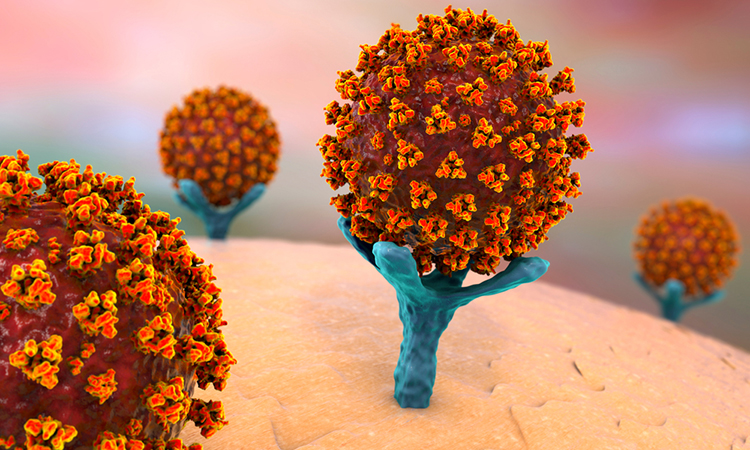
A critical stage of the SARS-CoV-2 replication process, known as frameshifting, could be targeted by new drugs, researchers say.

Sino Biological has developed 1,000+ cytokines and receptors, including growth factors, cytokines, chemokines, interferons, interleukins, etc.
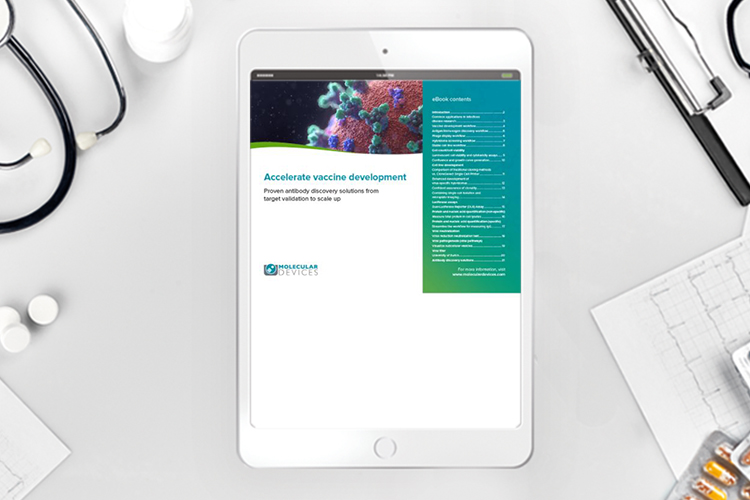
Our comprehensive portfolio suite is designed to optimize your productivity to get safe and efficacious vaccines and therapeutics to market faster.
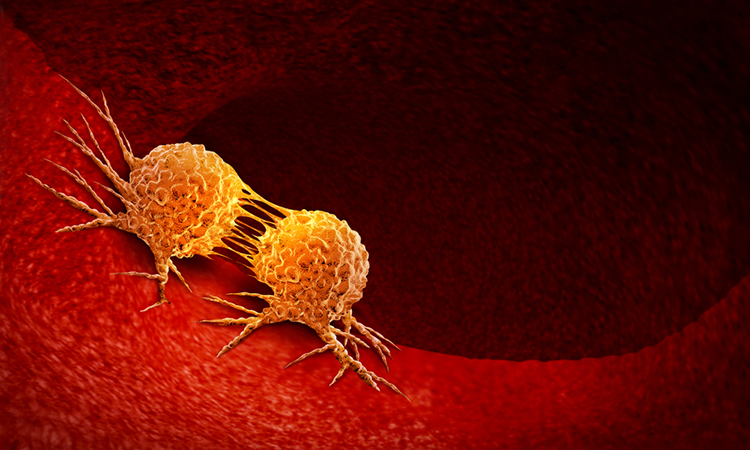
The mitochondrial enzyme dihydroorotate dehydrogenase (DHODH) can block cell death, new research has shown, making it a cancer drug target.

Researchers have designed a new nanoparticle-based vaccine against Ebola that has shown promise in mice and rabbits.
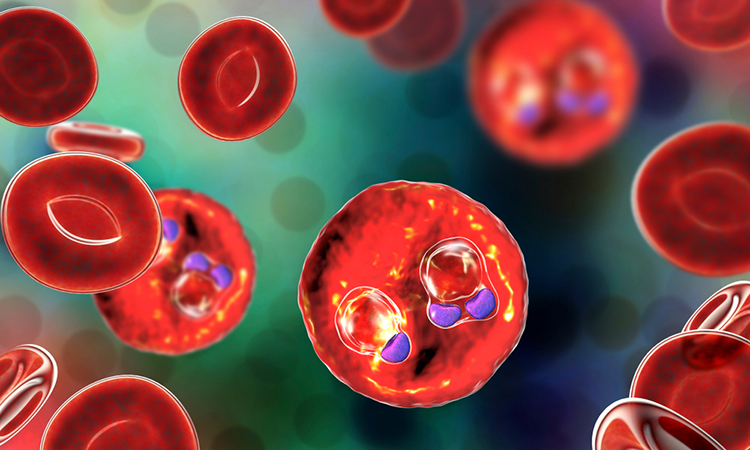
Researchers have developed a set of compounds designed to stop the malaria parasite being able to burst out of red blood cells and replicate.
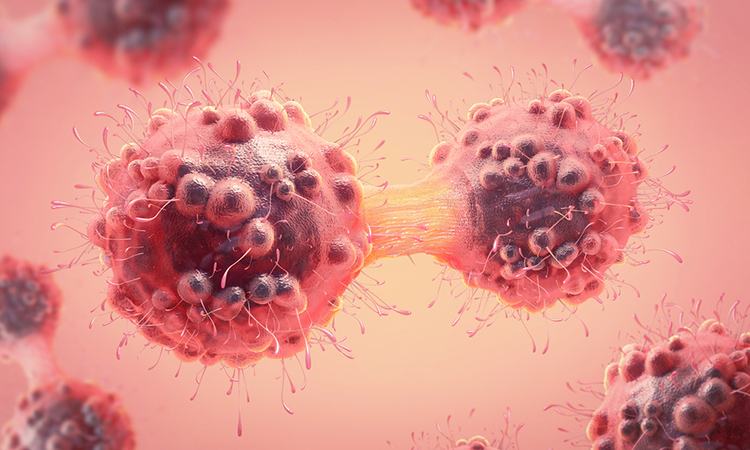
Two screening techniques were used by researchers to find anticancer compounds that target the aryl hydrocarbon receptor.
