


news
Study provides clues to cause and possible treatment of Parkinson’s
Researchers have shown that the leakage of mitochondrial double-stranded DNA into the cell can contribute to Parkinson's disease.
List view / Grid view
Researchers have shown that the leakage of mitochondrial double-stranded DNA into the cell can contribute to Parkinson's disease.

Monoamine oxidase inhibitors can block the function of a protein, helping T cells to effectively fight cancer, a study in mice has shown.
Dr Jo Brewer outlines research into allogeneic products by gene editing stem cells, which has the potential to build a broad family of multiple immune cell types, including T-cell therapies.
In pre-clinical studies, senolytic drugs were found to reduce inflammation and death from COVID-19 in older mice.

Drug molecules from pine and spruce trees can affect certain ion channels and had antiseizure effects in pre-clinical studies.
Researchers have found a protein that, when inhibited in mice with cancer, increased the response to immunotherapy.

We discuss how liquid handling automation supports drug discovery workflows & highlight opportunities to improve the efficiency and quality of these.
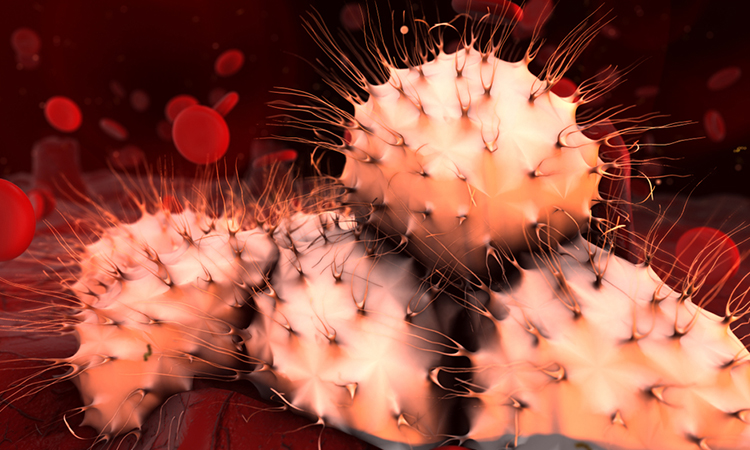
Scientists have discovered that hepatic stellate cells are key in allowing dormant cancer cells to awaken and form fatal metastases.

Learn about a practical, high-throughput method for validating the target-specificity of antibodies for the application of western blot.

Scientists have shown that trapped LC3B protein in brain cells enables Parkinson's disease to spread, presenting a drug target.
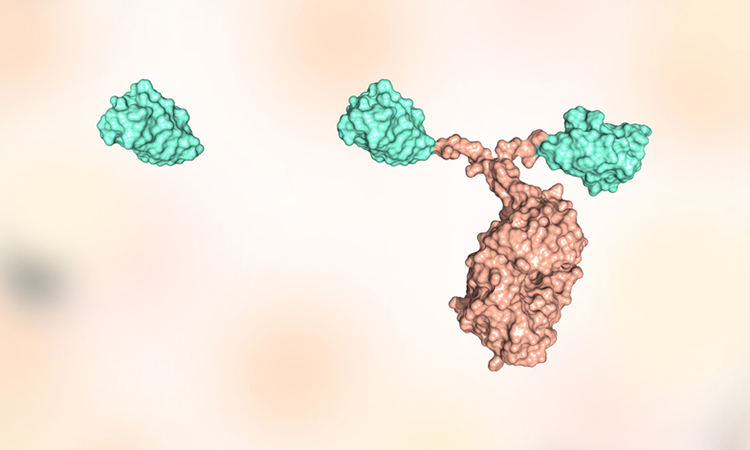
Researchers have shown that inhalable nanobodies at ultra-low doses can effectively neutralise SARS-CoV-2 in hamsters.

Researchers have discovered that blocking TRPC5 activity treated chronic pain in mouse models of various conditions.
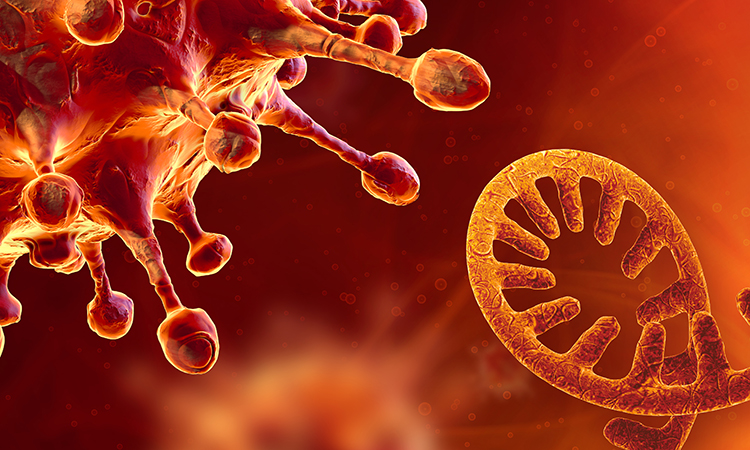
Researchers have explored the interaction between SARS-CoV-2 RNA and the host cell, uncovering possible targets to prevent viral replication.
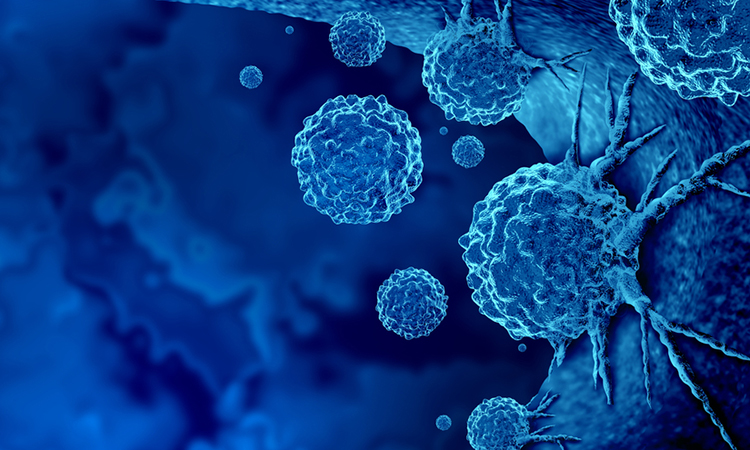
Scientists have developed six new derivatives of 4-chloro-1,2-dithiol-3-thione, which have all demonstrated anticancer effects in pre-clinical studies.
Using computer modelling, a team has shown that a molecular chaperone called GRP78 could be targeted by drugs in strategies to treat COVID-19.
