


news
Personalised organoid models may improve immunotherapy treatment
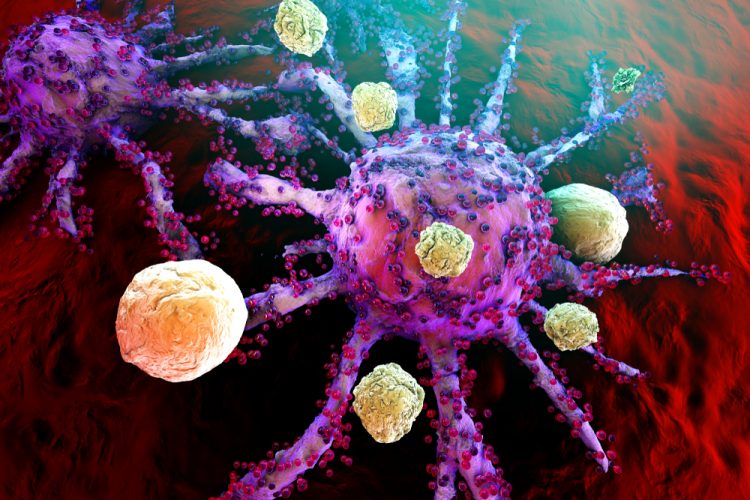
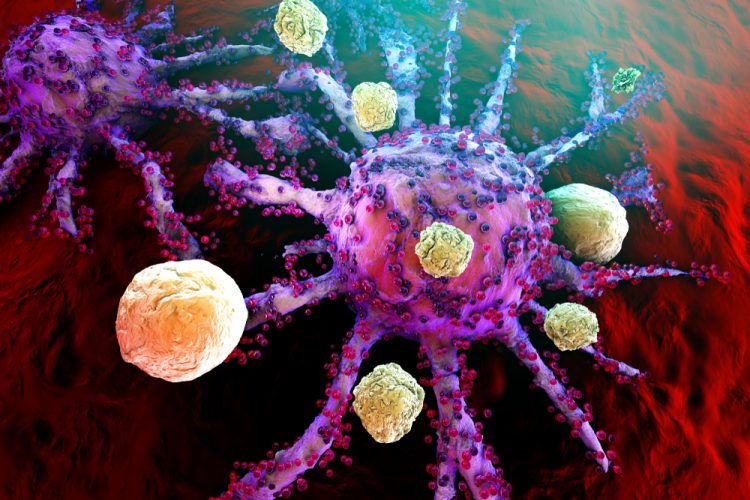
Researchers have used patient-specific tumour organoid models to improve immunotherapy treatments for appendiceal cancer.
List view / Grid view
Researchers have used patient-specific tumour organoid models to improve immunotherapy treatments for appendiceal cancer.
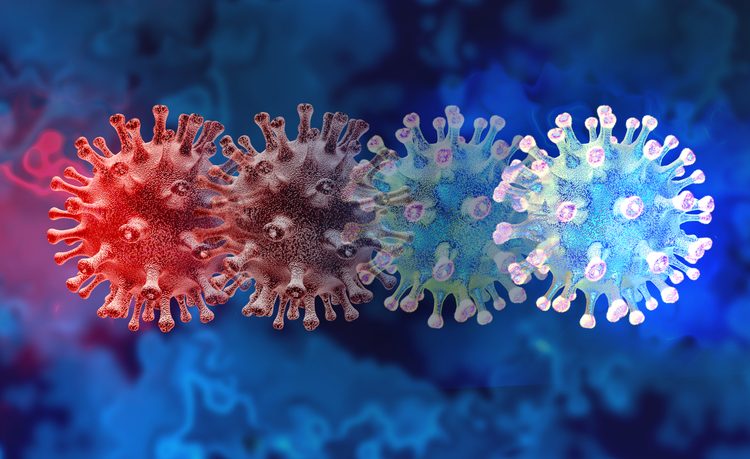
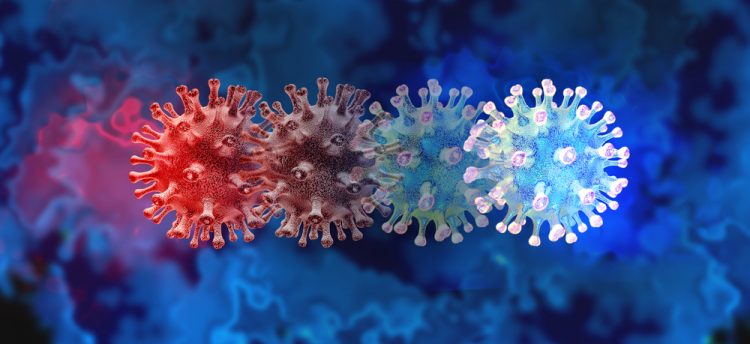
A new computer algorithm has identified highly conserved sequences in viral proteins that could make the best drug targets for COVID-19.
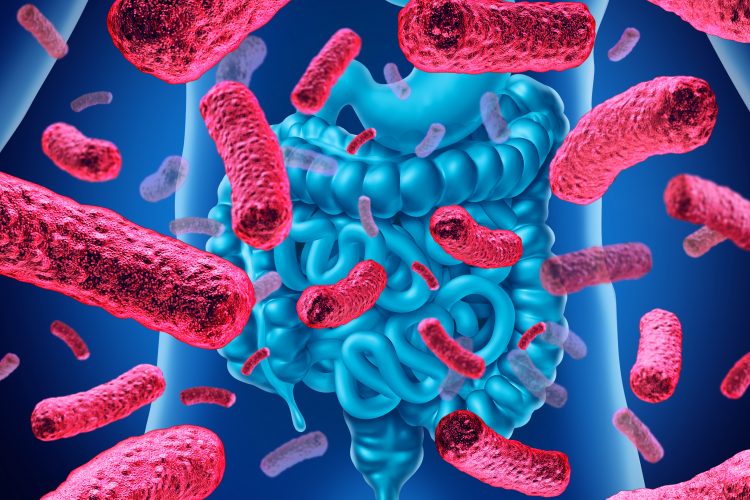
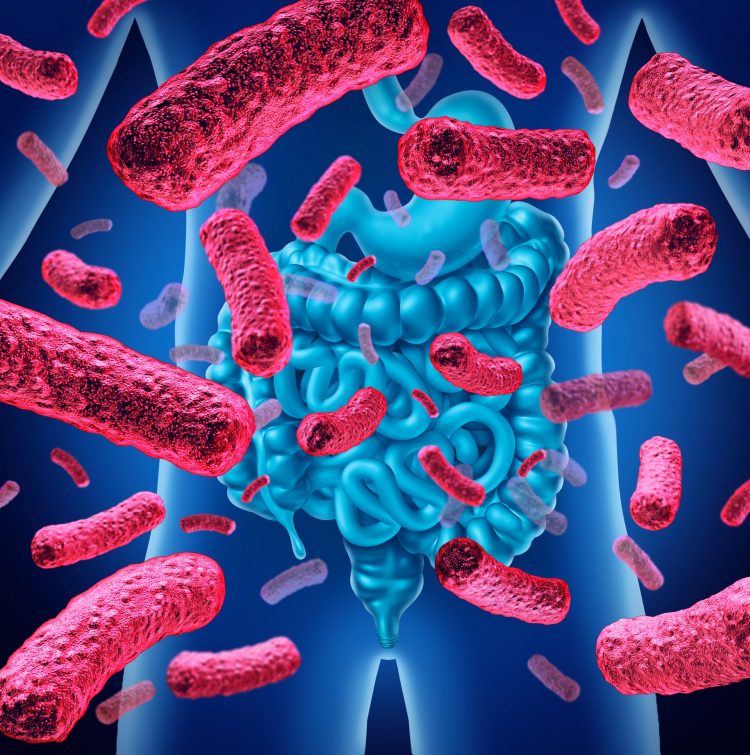
Bacterial metabolites showed an increase in the cytotoxic activity in immune cells that could potentially influence efficiency of tumour therapies.
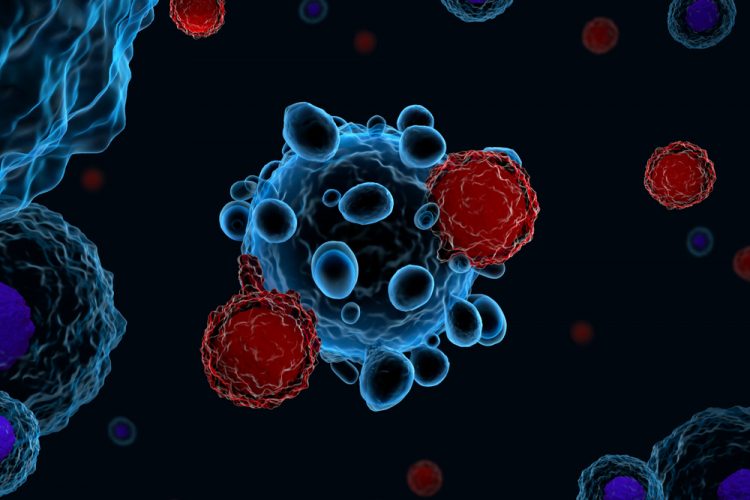
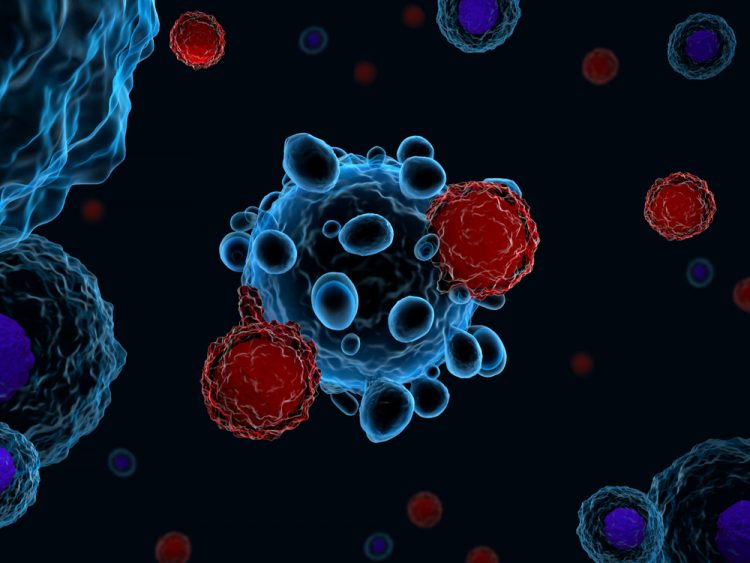
New research has shown that the protein Piezo 1 prevented Treg cells from controlling the effects of inflammation in a multiple sclerosis mouse model.


A team have developed a minimally invasive exosome spray that helped repair rat hearts after myocardial infarction.
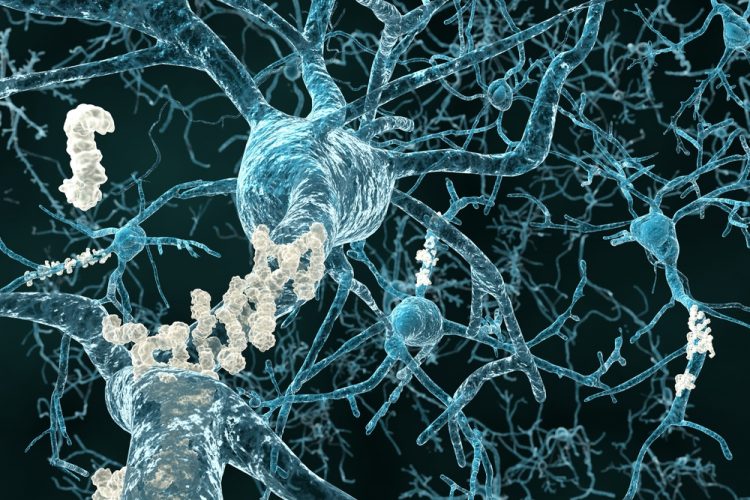
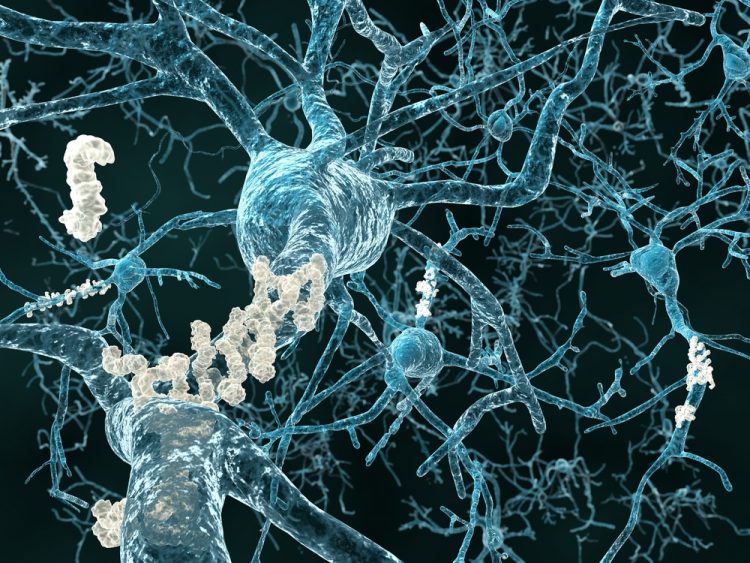
UK researchers have created a metal-based molecule that inhibits the build-up of Alzheimer’s-associated peptide, amyloid-β, in lab tests.
14 July 2021 | By Analytik Jena
In this on-demand webinar, based on field experiences with our research partners, Analytik Jena provides an overview of application demands for a reliable sample preparation automation – from a small and easy-to-use workstation, to a fully automated integration solution by Analytik Jena.
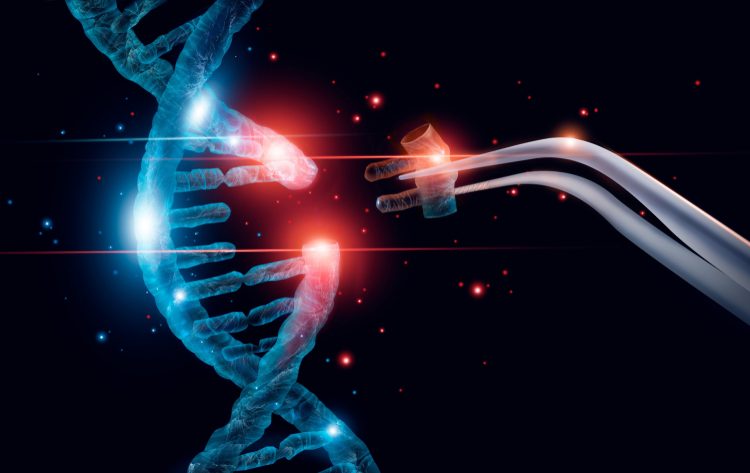

US researchers used an AAV9 vector to edit a single base mutation in a prenatal mouse model, halting progression of Hurler syndrome.
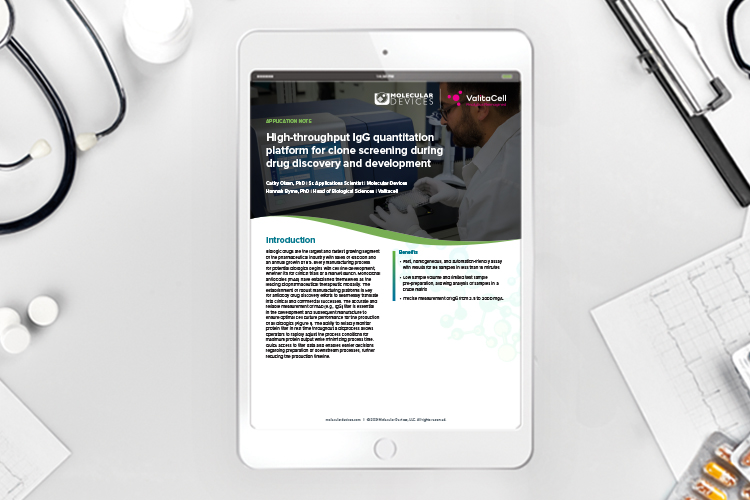
Every manufacturing process for potential biologics begins with cell line development, whether it’s for clinical trials or a market launch.
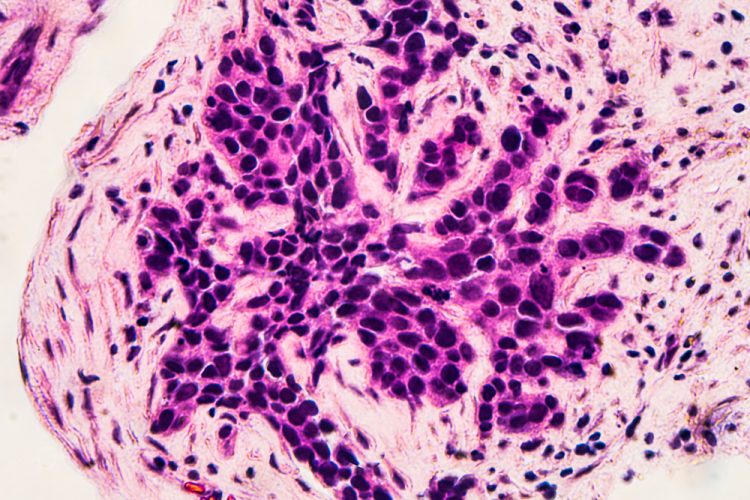
Research by a team in Canada reveals a promising therapeutic target to counter HER2-positive breast cancer.


US researchers have developed an antisperm monoclonal antibody that could become a safe and effective birth control method.
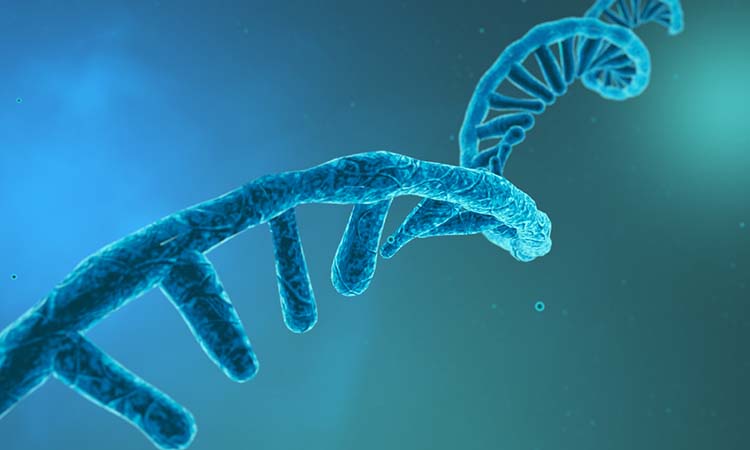
In this article, Dr Jim Burns discusses promising pre-clinical results of how a new platform could treat the root cause of many devastating genetic diseases including myotonic dystrophy type 1.
US researchers have identified potential new treatment targets for Alzheimer’s disease, as well as existing drugs that could be used against these targets.
Scientists have used nanotechnology to develop personalised tumour vaccines which prevented cancer recurrence and metastasis challenges in mouse models.


A team in Switzerland have demonstrated how artificial intelligence could be used in the search for new pharmaceutical agents.
