


news
Nuclear tracer helps to study the aging brain
A PET nuclear tracer could help researchers to understand neurodegeneration in aging brains better, as it enters the brain and distributes quickly...
List view / Grid view
A PET nuclear tracer could help researchers to understand neurodegeneration in aging brains better, as it enters the brain and distributes quickly...


An international team of scientists has developed a candidate identification technique in the form of an algorithm that reduces the chances of rediscovering known compounds.
A biomarker usually used with kidney disease, could potentially be used to detect COPD through identifying levels of albuminuria in urine...

The NIH's Common Fund programme looks towards building a cell map of all individual cells in the human body to aid the detection of disease...
Researchers have identified that levels of the protein KCNB1 are increased in Alzheimer's brains, which may cause the increase of amyloid-beta plaques...
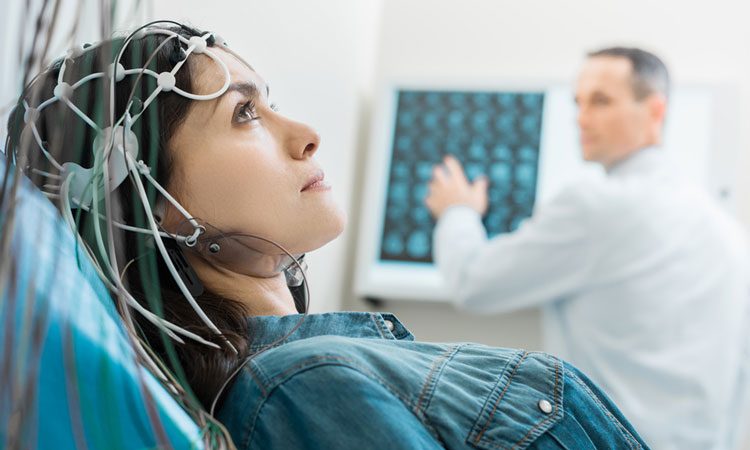
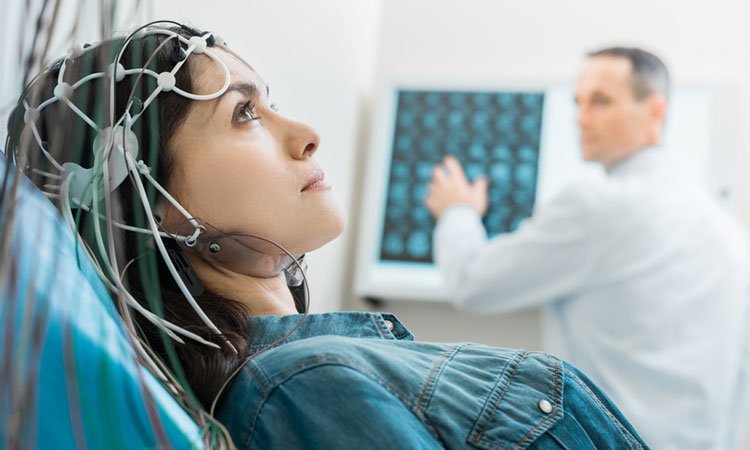
Researchers at the University of San Francisco have suggested how advances in EEG brain scanners could help to diagnose brain conditions earlier...
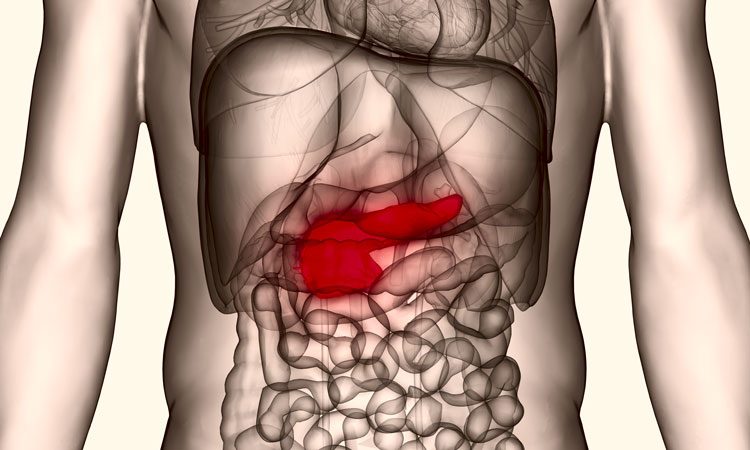
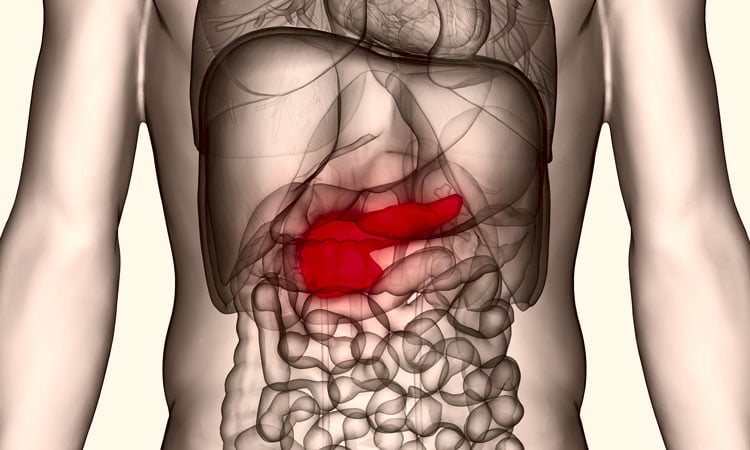
Scientists in California have discovered that a newly developed drug prevents pancreatic cancer in lab mice.
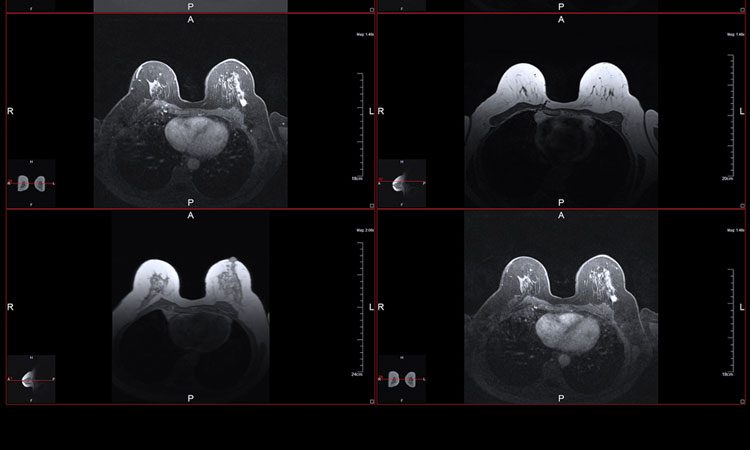
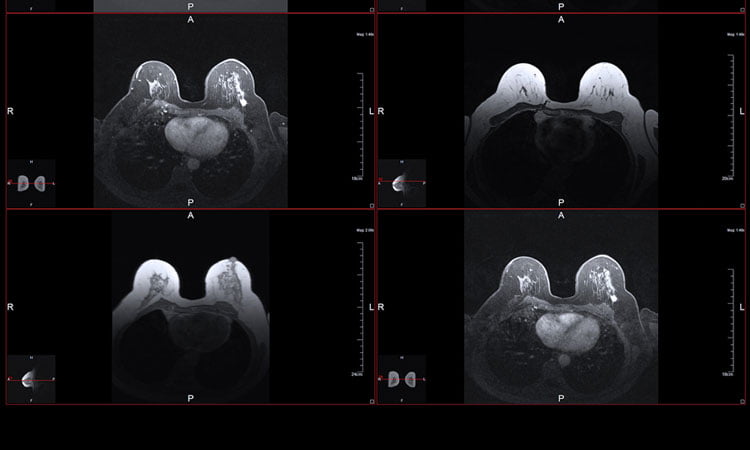
Researchers address the delay of enhanced MRI cancer detection using simulations of women's breast tissue and higher MRI strengths...
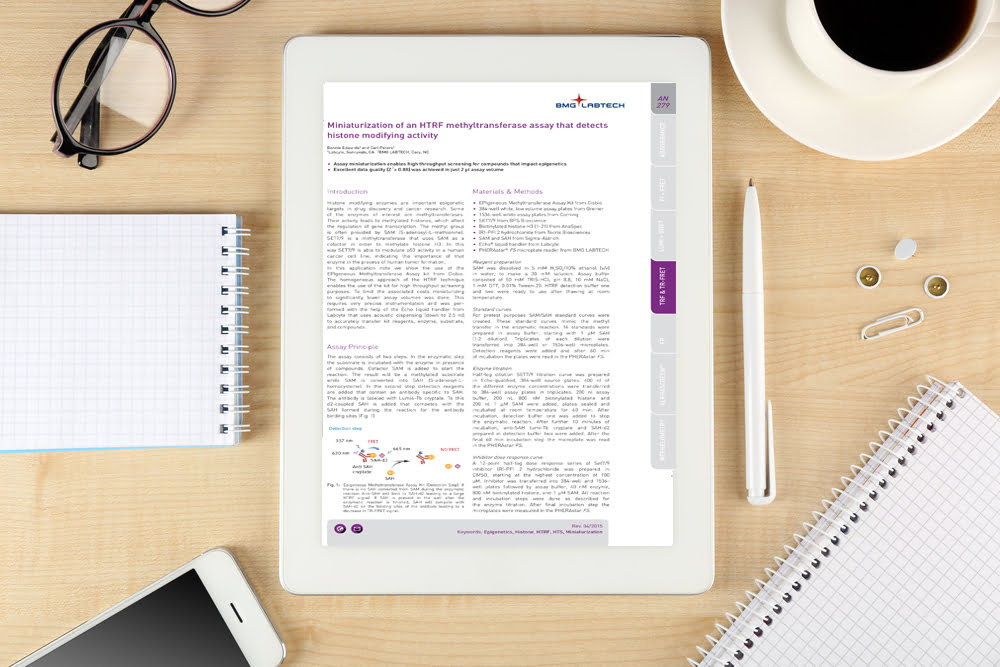
High throughput screening is mostly done in pharmaceutical companies that test whole libraries of compounds. Reducing the assay volume will reduce operating costs. At the same time it is necessary to prove that the smaller volume will not have a negative impact on assay sensitivity and reliability.
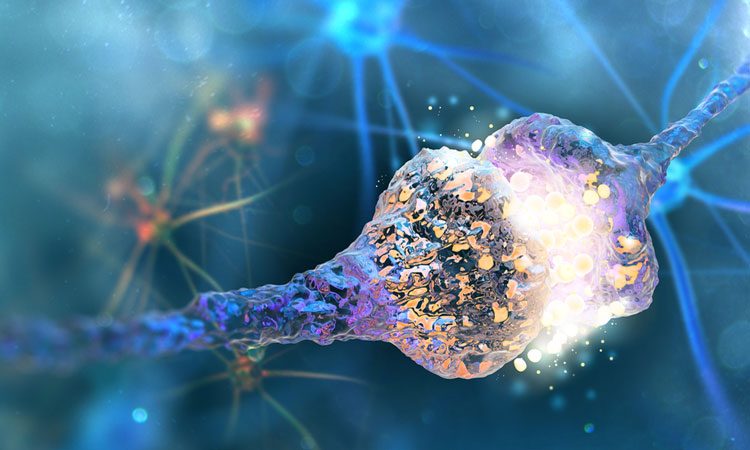
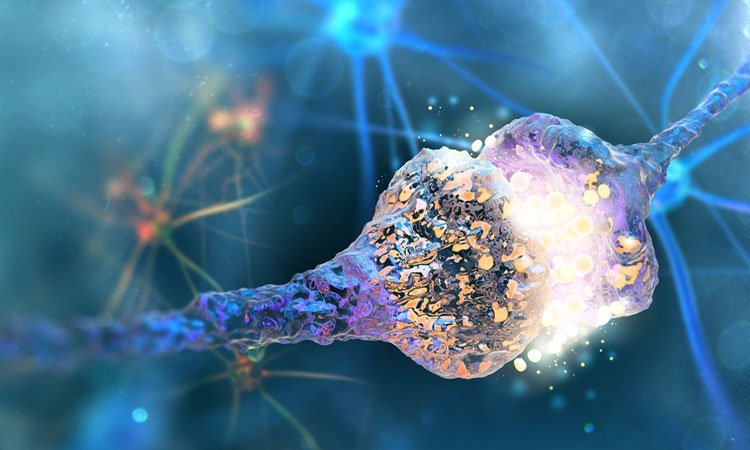
The protein ASTN2 has been identified as a trafficking protein that ushers proteins away from the membrane ready for degradation in the cell...


ELRIG’s (European Laboratory Research & Innovation Group) Drug Discovery meeting, will take place at ExCeL, London, UK, located in the heart of the city, from 9 -10 October 2018...
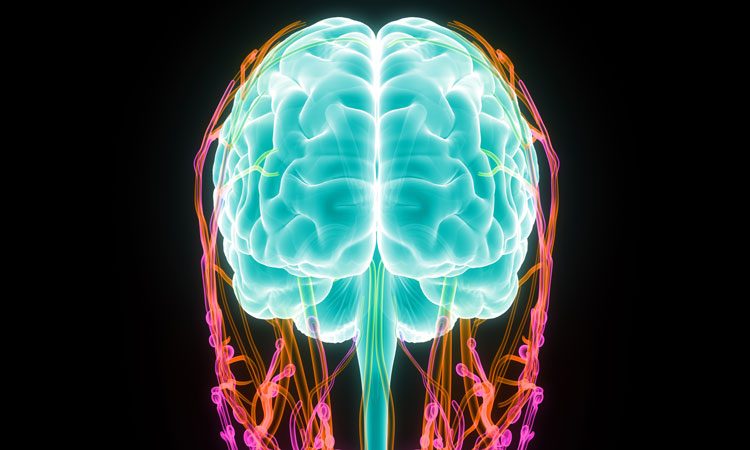
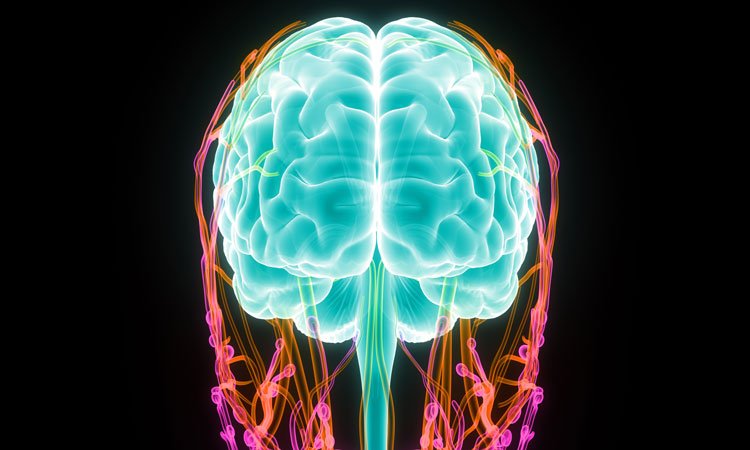
Researchers in the U.S. have identified that lymphatic vessels in the brain appear to play a crucial role in the development and progression of multiple sclerosis (MS), providing focus for new treatment research.
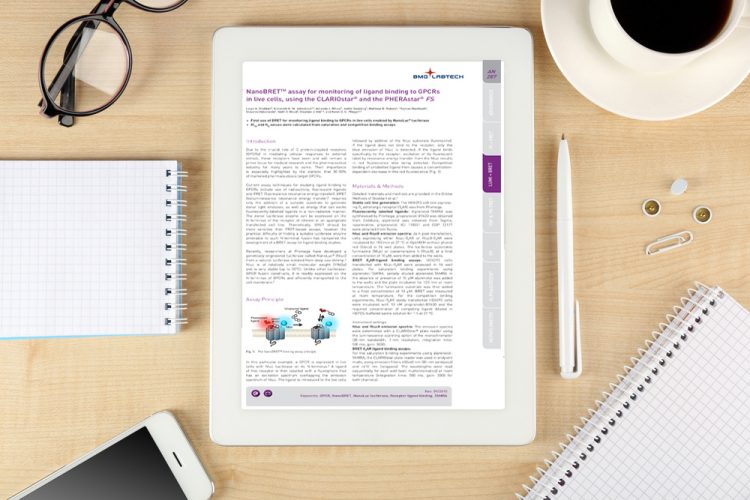
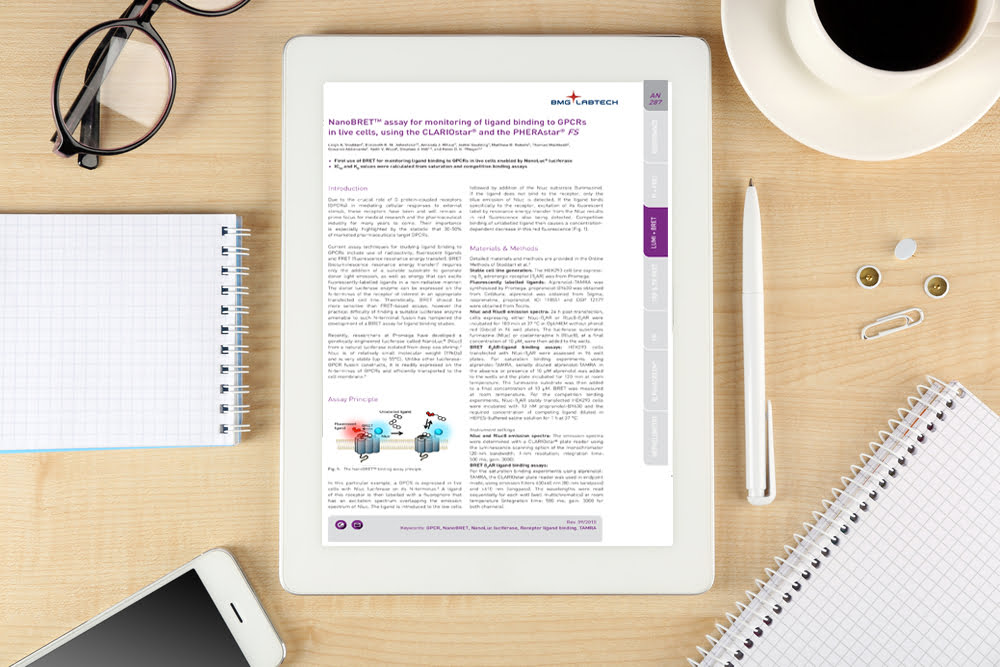
Due to the crucial role of G protein-coupled receptors (GPCRs) in mediating cellular responses to external stimuli, these receptors have been and will remain a prime focus for medical research and the pharmaceutical industry for many years to come. Their importance is especially highlighted by the statistic that 30-50% of…


Researchers from Texas University have used data from men with COPD to ascertain that testosterone replacement therapy could be beneficial...
Researchers have combined an open source software programme and commercially available hardware to image neuron activity at high resolution...
