


news
Scientists reveal that glioblastoma shows dependency on biotin distribution
Researchers discovered that glioblastoma cells rely on biotin distribution for growth, leading to possible future drug combinations.
List view / Grid view
Researchers discovered that glioblastoma cells rely on biotin distribution for growth, leading to possible future drug combinations.
Chimeric antigen receptor (CAR) T and natural killer (NK) therapies may become the future of cancer treatment. Dr Jim Ross explains how bioelectronic assays are a non-invasive, label-free approach built for real-time, dynamic assessment of cell therapy potency.
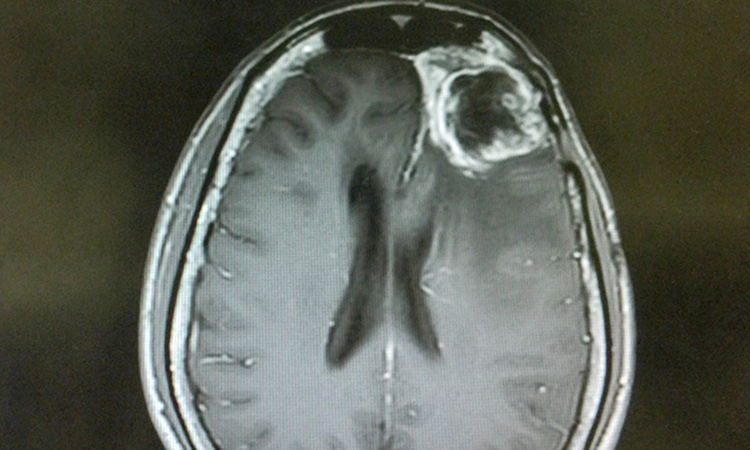
A study has shown that inhibiting the enzyme PRMT5 can suppress the growth of glioblastoma cells in pre-clinical studies.
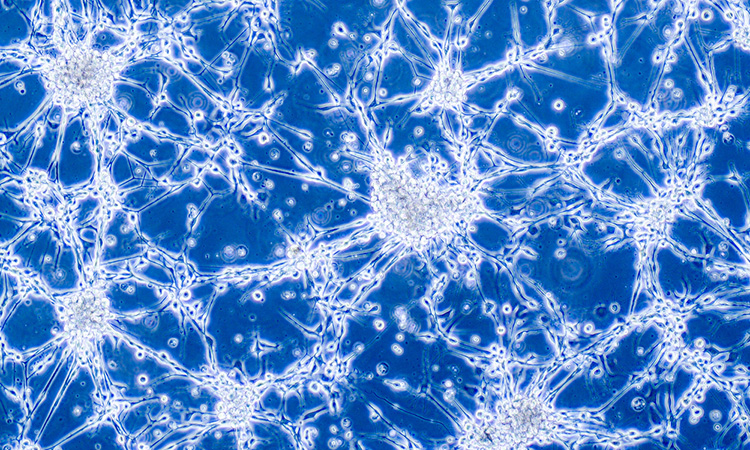
A study has said that restoring a particular protein's activity could be a new therapeutic strategy to treat glioblastoma.
A new study reveals that the healing process following a brain injury could initiate the growth of glioblastoma cancers.
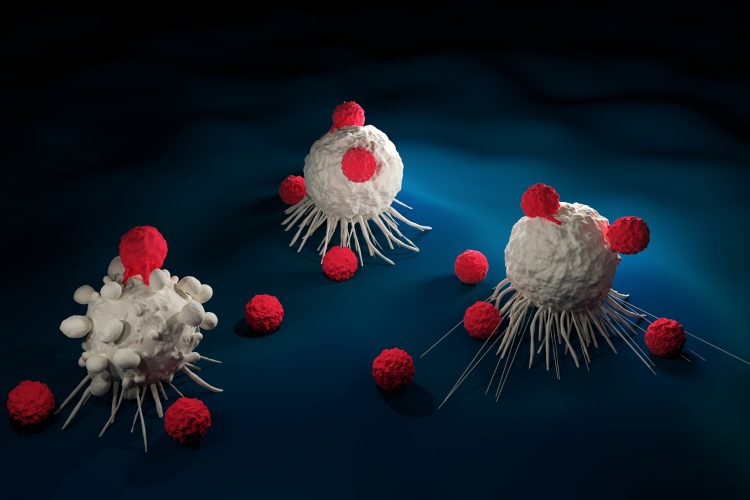
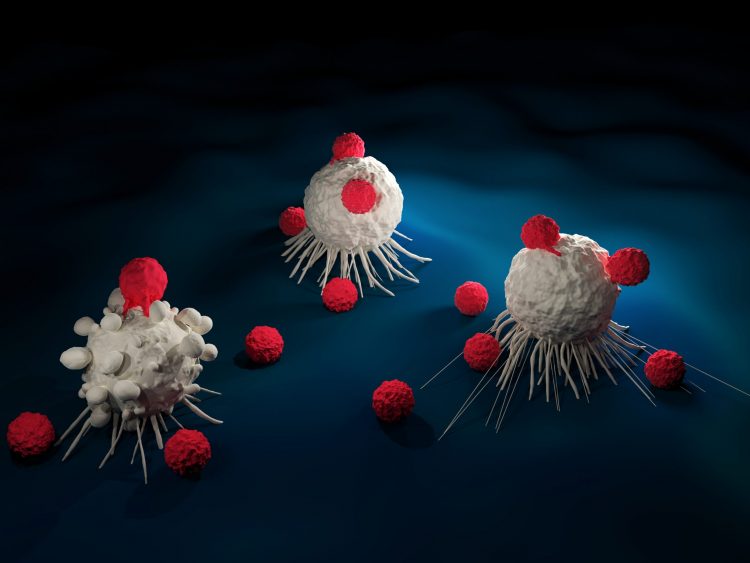
By combining machine learning and T-cell engineering researchers were able to develop cell therapies that can selectively and effectively target and destroy solid tumours.
Researchers say this is the first time that CRISPR-Cas9 gene editing has been used to treat cancer effectively in a living animal and that the technique could be revolutionary.
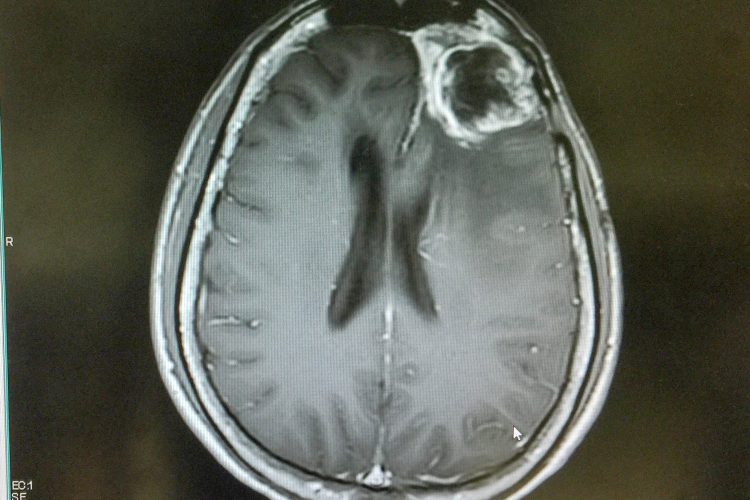
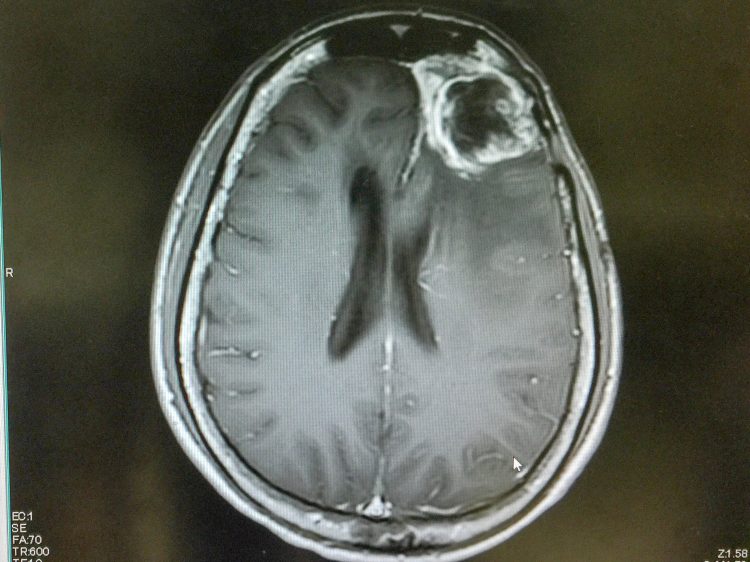
The synthetic protein nanoparticle can cross the blood-brain barrier and deliver a targeted therapeutic to glioblastoma cells, say researchers.
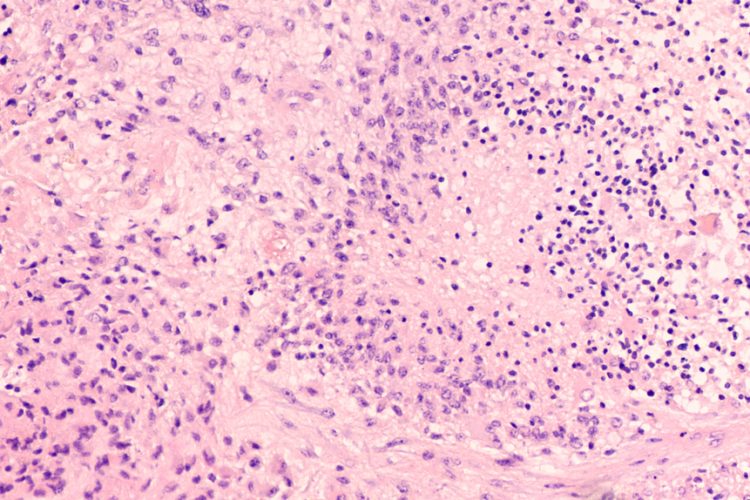
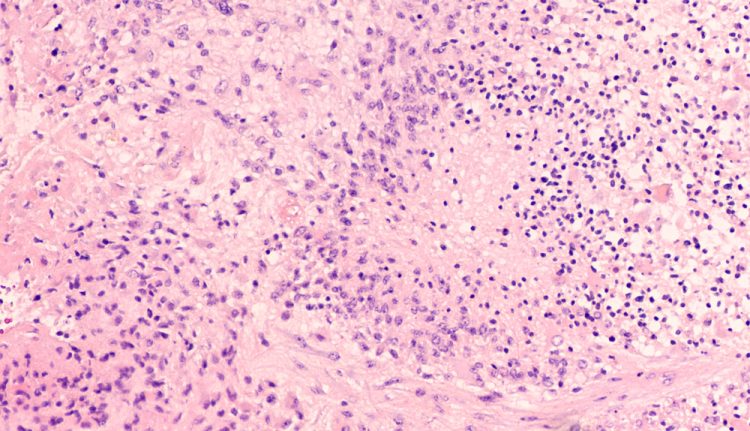
A study has identified more than 200 genes that drive the progression of glioblastoma and which the researchers say present drug targets.
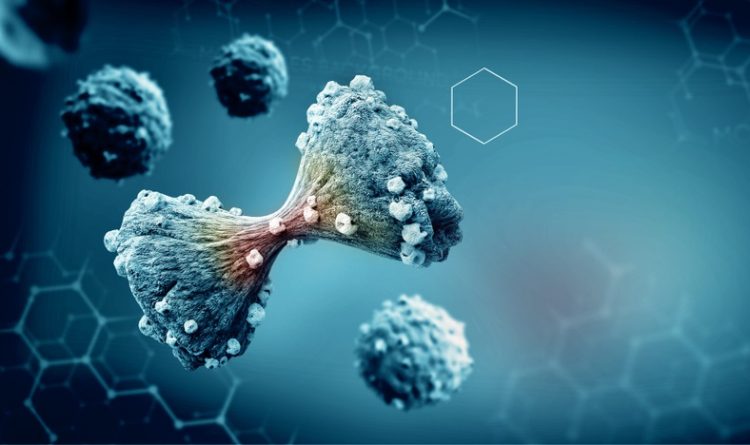
Drug Target Review explores some of the newest oncologic drug targets, including those for glioblastoma, lung cancer and breast cancer.


A study has shown that cannabidiol (CBD) slows cancer cell growth and is toxic to human glioblastoma cell lines, presenting a possible treatment.
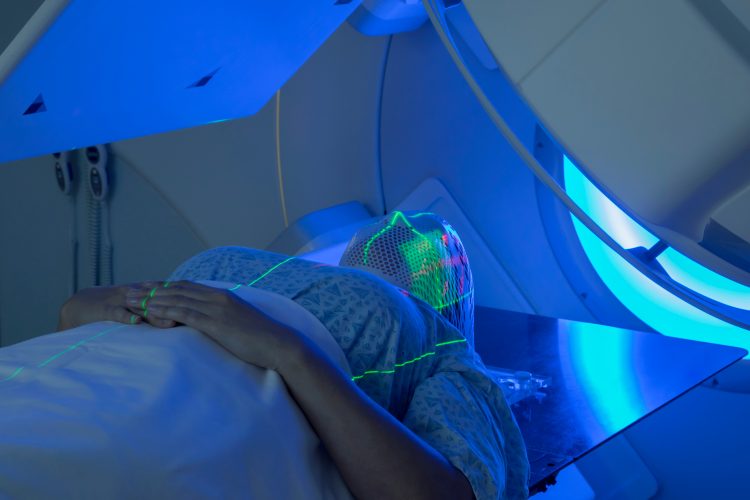
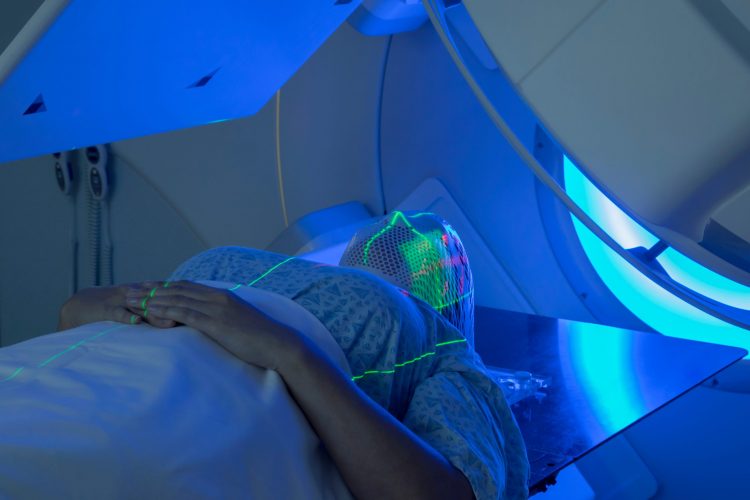
Researchers demonstrated NSPP completely prevented cognitive decline in mice treated with radiation for patient-derived glioblastomas.
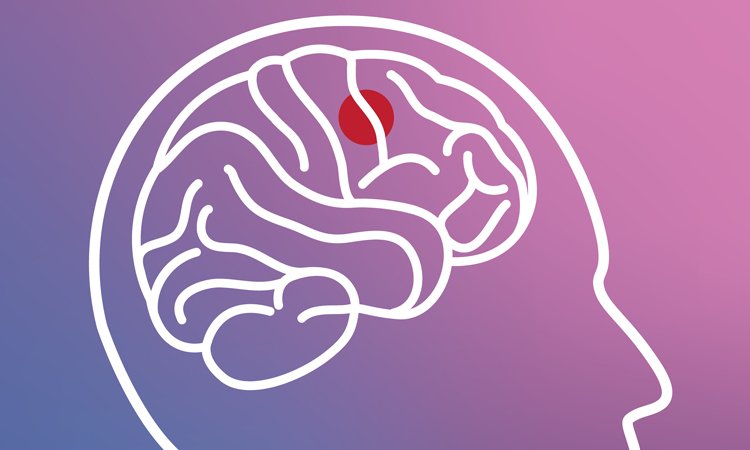
A new method has been created by researchers to 3D bioprint tumours and image glioblastomas for the study of therapeutics.
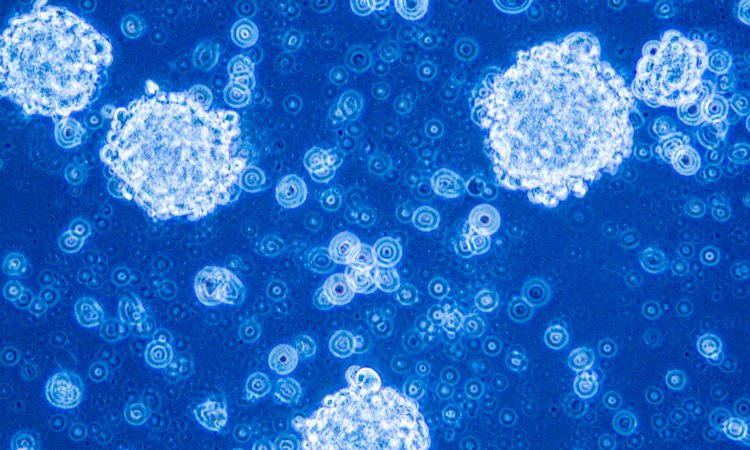
Combining the chlorotoxin peptide with conventional CAR structures, researchers have created a new CAR T cell therapy that has successfully combatted glioblastomas in mice.
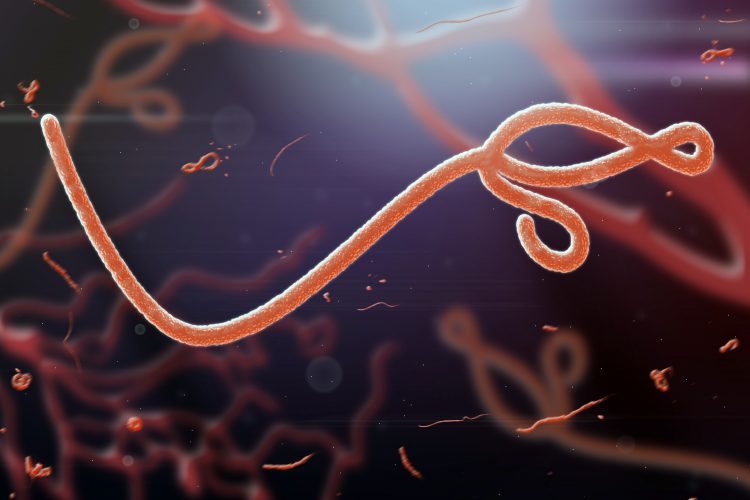
An innovative chimeric vaccine containing an Ebola gene that helps the virus evade the immune system has been used to selectively target and kill glioblastoma in mice.
