


Researchers develop computer algorithm to identify cancer cell lines
Posted: 14 December 2020 | Victoria Rees (Drug Target Review) | No comments yet
Scientists have trained a computer algorithm to identify differences in cancer cell lines based on microscopic images, preventing the misclassification of cells.
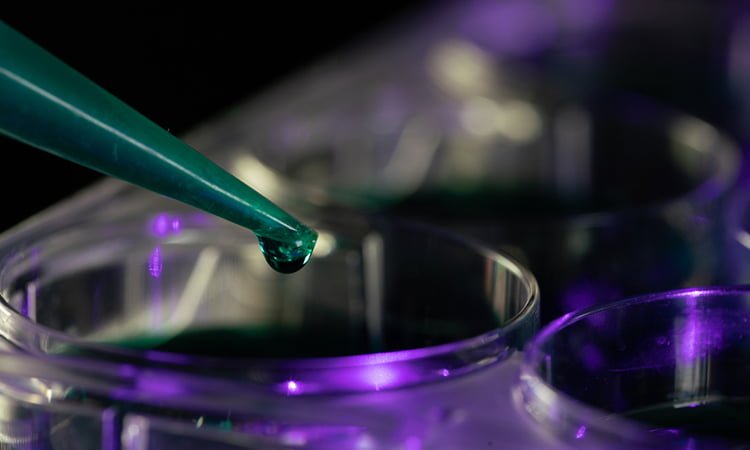
Researchers report that they have developed a computer algorithm that can identify differences in cancer cell lines based on microscopic images. According to the scientists, from the University of Kent, UK, this is a key development towards ending the misidentification of cells in laboratories.
The researchers say that cancer cell lines are cells isolated and grown as cultures in laboratories for the study and development of anti-cancer drugs. However, many cell lines are misidentified after being swapped or contaminated with others, meaning many researchers may work with incorrect cells.
Short tandem repeat (STR) analysis is commonly used to identify cancer cell lines, but is expensive and time-consuming. Moreover, STR cannot discriminate between cells from the same person or animal, the team say.
Drug Target Review has just announced the launch of its NEW and EXCLUSIVE report examining the evolution of AI and informatics in drug discovery and development.
In this 63 page in-depth report, experts and researchers explore the key benefits of AI and informatics processes, reveal where the challenges lie for the implementation of AI and how they see the use of these technologies streamlining workflows in the future.
Also featured are exclusive interviews with leading scientists from AstraZeneca, Auransa, PolarisQB and Chalmers University of Technology.
Based on microscopic images from a pilot set of cell lines and utilising models capable of ‘deep learning’, the researchers trained computers through a period of mass comparison of cancer cell data. From this, they developed an algorithm allowing the computers to examine separate microscopic digital images of cell lines and accurately identify and label them.
The group say that this breakthrough has the potential to provide an easy-to-use tool that enables the rapid identification of all cell lines in a laboratory without expert equipment and knowledge.
Dr Chee (Jim) Ang, one of the leaders of the research, said: “Our collaboration has demonstrated tremendous results for potential future implementation in laboratories and within cancer research. Utilising this new algorithm will yield further results that can transform the format of cell identification in science, giving researchers a better chance of correctly identifying cells, leading to reduced error in cancer research and potentially saving lives. The results also show that the computer models can allocate exact criteria used to identify cell lines correctly, meaning that the potential for future researchers to be trained in identifying cells accurately may be greatly enhanced too.”
The results of the study are published in Scientific Reports.
Related topics
Bioinformatics, Cell culture, Imaging, Informatics, Screening
Related conditions
Cancer
Related organisations
University of Kent
Related people
Dr Chee Ang
