


Protease inhibitor aprotinin shows promise against SARS-CoV-2 in cells
Posted: 5 November 2020 | Victoria Rees (Drug Target Review) | No comments yet
Researchers have found that aprotinin, an approved drug for influenza in Russia, combats SARS-CoV-2 in cells.
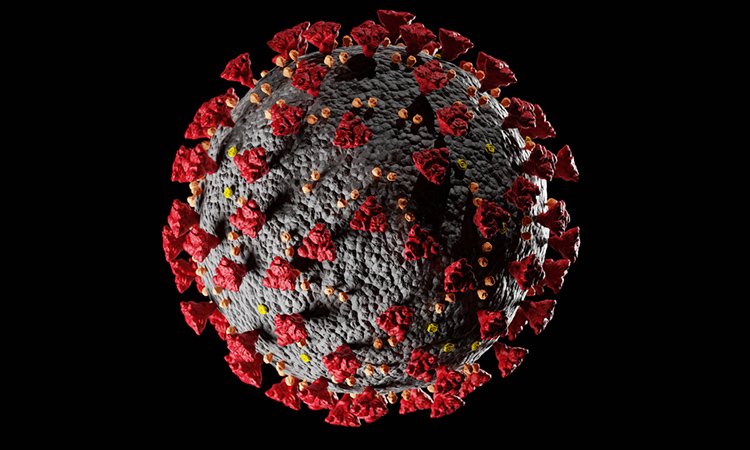
Researchers have newly identified a drug which they say has the potential to provide a treatment for SARS-CoV-2, the coronavirus causing the COVID-19 pandemic. The study was conducted by scientists at the University of Kent, UK, and the Goethe-University in Frankfurt am Main and the Hannover Medical School, both Germany.
With regular news updates and feature articles, our COVID-19 hub has everything you need to keep up to date with R&D during the pandemic. Click below to visit:
The international team found that the approved protease inhibitor named aprotinin displayed activity against SARS-CoV-2 in pre-clinical trials. The drug was tested in different cell types including Caco2, Calu-3 and primary bronchial epithelial cell air–liquid interface cultures, as well as against four virus isolates.
The researchers revealed that the drug inhibits the entry of the virus into host cells by preventing the cleavage of the coronavirus Spike (S) protein by cellular proteases. The team say that following an analysis of proteomics and translatome data, the drug may compensate for the loss of host cell protease inhibitors that are downregulated upon SARS-CoV-2 infection.
Drug Target Review has just announced the launch of its NEW and EXCLUSIVE report examining the evolution of AI and informatics in drug discovery and development.
In this 63 page in-depth report, experts and researchers explore the key benefits of AI and informatics processes, reveal where the challenges lie for the implementation of AI and how they see the use of these technologies streamlining workflows in the future.
Also featured are exclusive interviews with leading scientists from AstraZeneca, Auransa, PolarisQB and Chalmers University of Technology.
The group also found that aprotinin could combat SARS-CoV-2 in concentrations that are achieved in patients, suggesting that it would be safe to take.
The team highlight that aprotinin aerosols are approved in Russia for the treatment of influenza and could be readily tested for the treatment of COVID-19. Therefore, they conclude that therapeutic aprotinin concentrations exert anti-SARS-CoV-2 activity and an approved aprotinin aerosol may have potential for the early local control of coronavirus replication and the prevention of COVID-19 progression to a severe, systemic disease.
Professor Martin Michaelis, one of the lead researchers, said: “The aprotinin aerosol has been reported to be tolerated extremely well in influenza patients. Hence, it may have a particular potential to prevent severe COVID-19 disease when applied early after diagnosis.”
The study was published in the journal Cells.
Related topics
Cell culture, Drug Development, Drug Leads, Drug Targets, Lead Generation, Research & Development, Target molecule, Therapeutics
Related organisations
Goethe University, Hannover Medical School, University of Kent
Related people
Professor Martin Michaelis
