


Blocking new protein helps immune system to fight cancer
Posted: 28 August 2019 | Rachael Harper (Drug Target Review) | No comments yet
A protein discovery could lead to a new and highly potent immune-therapeutic drug for the eradication of cancers using natural killer cells.
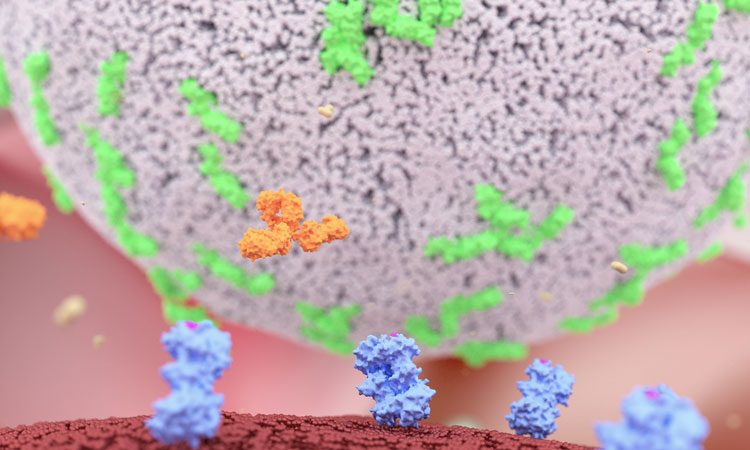
Australian researchers have discovered a protein found in humans that prevents natural killer (NK) cells from fighting cancer and have found that blocking this protein – with a naturally occurring hormone currently commercially available – turbocharges the immune system to fight off the cancer cells.
The discovery, in pre-clinical models, means this hormone, called Follistatin, may be a new and highly potent immune-therapeutic drug for the eradication of cancers such as melanoma.
The research team led by Dr Fernando Guimaraes, from the University of Queensland’s Diamantina Institute and Professor Nicholas Huntington, from the Monash Biomedicine Discovery Institute, together with researchers from the Walter and Eliza Hall Medical Research Institute, studied NK cells in the immune system as these are crucial in protecting against the triggering of cancer and the spread or metastasising of cancer cells.
Drug Target Review has just announced the launch of its NEW and EXCLUSIVE report examining the evolution of AI and informatics in drug discovery and development.
In this 63 page in-depth report, experts and researchers explore the key benefits of AI and informatics processes, reveal where the challenges lie for the implementation of AI and how they see the use of these technologies streamlining workflows in the future.
Also featured are exclusive interviews with leading scientists from AstraZeneca, Auransa, PolarisQB and Chalmers University of Technology.
One of the key reasons why cancer cells take hold and grow occurs when these NK cells are suppressed and to date, the signals that inhibit NK cells have remained a mystery.
The scientists found that a protein (Activin-A) which is found naturally in both healthy human cells and cancer cells, directly disables the NK cell’s capacity to halt cancer growth. Importantly, they were able to block Activin-A in pre-clinical models, using human and mouse NK cell models, with the hormone Follistatin.
“These findings may open the door to novel immune-therapy drugs which provide a deeper and more durable way to overcome the immune suppression seen in cancer, improving patient outcomes,” said Professor Huntington.
The study was published in the journal Science Signaling,
Related topics
Disease research, Drug Development, Protein, Research & Development
Related organisations
Monash Biomedicine Discovery Institute's (BDI), Queensland University, Walter and Eliza Hall Medical Research Institute
Related people
Dr Fernando Guimaraes, Professor Nicholas Huntington
