


Alzheimer’s protein found, suggesting new drug target
Posted: 13 June 2019 | Victoria Rees (Drug Target Review) | No comments yet
Researchers have found a new drug target for Alzheimer’s disease after identifying a facilitating protein.
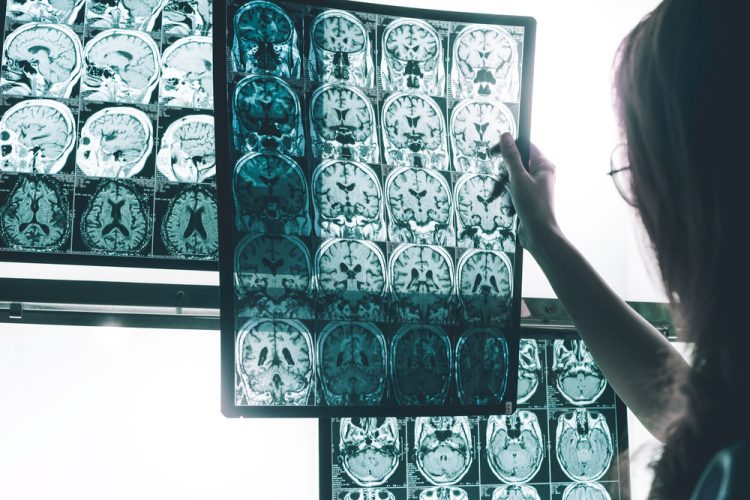
A key protein, CAPON, in Alzheimer’s disease (AD) has been identified. Researchers at the RIKEN Center for Brain Science (CBS), Japan, found that a decreased presence of the protein reduced AD symptoms. The team have suggested that CAPON could be a druggable AD target.
AD is characterised by plaques of amyloid-β and neurofibrillary tangles, known as tau pathology. Investigating these features, the research team identified CAPON, a protein which binds to tau. The CAPON gene plays a known role in other psychiatric disorders. As AD patients can display psychiatric symptoms, the researchers examined the link between CAPON and AD.
“Neurodegeneration is complex but we think CAPON is an important mediator between amyloid-β, tau, and cell death. Breaking this link with drugs is a promising avenue for treating AD,” says Takaomi Saido, a co-author of the study.
Drug Target Review has just announced the launch of its NEW and EXCLUSIVE report examining the evolution of AI and informatics in drug discovery and development.
In this 63 page in-depth report, experts and researchers explore the key benefits of AI and informatics processes, reveal where the challenges lie for the implementation of AI and how they see the use of these technologies streamlining workflows in the future.
Also featured are exclusive interviews with leading scientists from AstraZeneca, Auransa, PolarisQB and Chalmers University of Technology.
Analysing a mouse with AD, the researchers found an accumulation of CAPON in the hippocampus. They also observed that CAPON presence was even greater in the presence of amyloid-β pathology.
Using a novel App/MAPT double knock-in process, the team created another type of AD mouse model.
After inserting CAPON DNA into the brain, the mice started to exhibit significant neurodegeneration, elevated tau and hippocampus shrinkage. In a different mouse model, the team knocked out CAPON. They found that a deficiency in CAPON led to less tau, amyloid-β, neurodegeneration and brain atrophy.
The researchers concluded that reducing CAPON levels in mice with AD effectively decreased many of the physiological symptoms, presenting a drug target to diminish CAPON.
“The implication is that accumulating CAPON increases AD-related pathology,” says lead author Shoko Hashimoto. “Although cell death resulting from CAPON can occur through many different pathways, we definitely think this protein is a facilitator between neuroinflammation and tau pathology.”
Related topics
Drug Targets, Neurosciences
Related conditions
Alzheimer’s disease
Related organisations
RIKEN Center for Brain Science
Related people
Shoko Hashimoto, Takaomi Saido
