


New technology could predict the risk of type 2 diabetes
Posted: 30 August 2017 | Dr Zara Kassam (Drug Target Review) | No comments yet
Researchers have announced a new technology-based approach that could lead to a more accurate identification of type 2 diabetes…
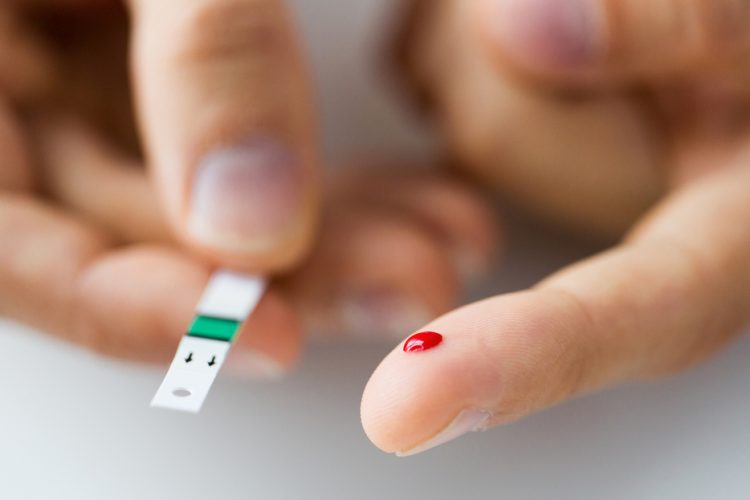
Researchers have announced a new technology-based approach that could lead to a more accurate identification of people at high risk of type 2 diabetes.
The researchers at the University of Glasgow have looked at the proteins present in the blood samples of people studied three year before they developed type 2 diabetes and compared these with samples from people of similar age and weight who maintained normal blood sugar over the same period.
Remarkably, both approaches flagged a series of molecules in the Epithelial-Mesenchymal Transition pathway. This is a series of changes in b-cells that may reflect a form of “stress” as they begin to lose their insulin-producing properties due to overwork.
Professor John Petrie, at the Institute of Cardiovascular and Medical Sciences, University of Glasgow, said: “We are sharing the findings openly with the diabetes research community today in the hope that our findings can help in the global effort to tackle the ongoing pandemic of type 2 diabetes and its complications.”
Drug Target Review has just announced the launch of its NEW and EXCLUSIVE report examining the evolution of AI and informatics in drug discovery and development.
In this 63 page in-depth report, experts and researchers explore the key benefits of AI and informatics processes, reveal where the challenges lie for the implementation of AI and how they see the use of these technologies streamlining workflows in the future.
Also featured are exclusive interviews with leading scientists from AstraZeneca, Auransa, PolarisQB and Chalmers University of Technology.
It is hoped the findings, published in PLOS ONE, could one day help tackle the global increase of type 2 diabetes, which currently affects 415 million people worldwide and is predicted to rise to 642 million by 2040.
Professor Petrie, said: “Many cases of type 2 diabetes could be prevented by earlier and more intense intervention to reduce calorie intake, increase physical activity and prevent the weight gain associated with modern lifestyles. “But a more accurate means of predicting those at greatest risk is an important part of that effort. This project is a great example of a productive collaboration between University and industry researchers, bringing cutting-edge technology to bear on an important public health issue, using carefully collected samples from well-characterised individuals.”
Related topics
Biomarkers, Technology
Related conditions
Diabetes
Related organisations
University of Glasgow
Related people
Professor John Petrie
